In real rooms
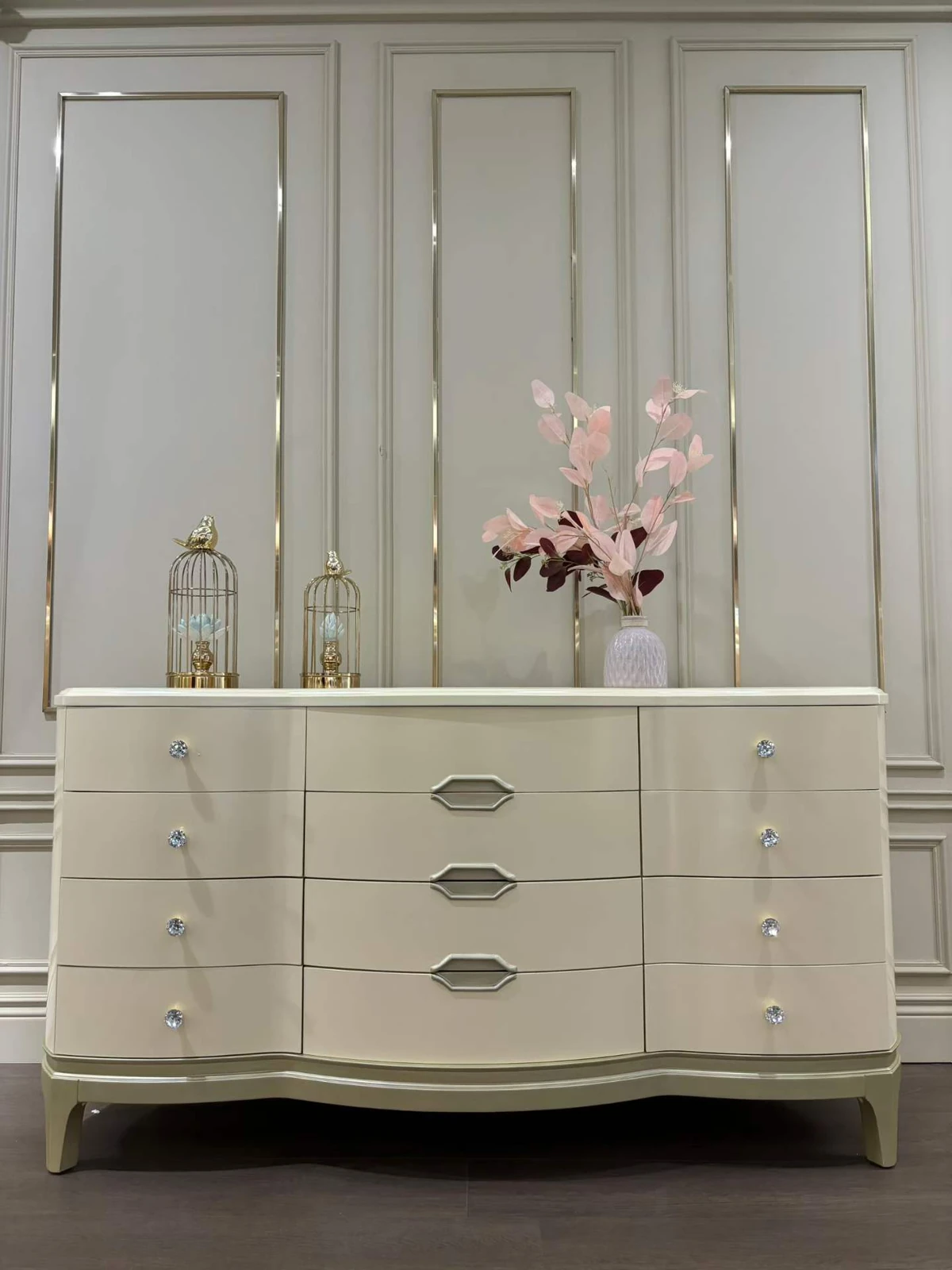
Singapore's Guide to Smart Wardrobe Storage
From compact sliding-door solutions for BTO bedrooms to floor-to-ceiling custom built-ins for landed properties — discover expert-backed articles covering measurement, material selection, organisation systems, and local pricing across Singapore's housing landscape.
Before selecting a storage wardrobe in Singapore, Malaysia, Japan, Korea, or Thailand, measure your doorway, hallway, and intended room space—not just the wall. Account for swing clearance and floor loading. Compare construction: moisture-resistant materials suit humid climates like Bangkok or Kuala Lumpur, while compact modular designs suit Tokyo or Seoul apartments. Ask about shelf adjustability, drawer glide quality, and whether assembly is required. Confirm ventilation gaps if placing against an exterior wall, and check local fire safety ratings. A well-chosen wardrobe should fit your spatial constraints, climate, and daily routine—not just your style preference.
Durable storage wardrobes rely on moisture-resistant hardwoods or high-grade engineered panels with sealed edges to withstand tropical and humid climates. Look for solid dowel or metal bracket joinery, reinforced shelf supports, and soft-close hinges that endure daily use. Quality frames are square and don’t wobble; drawer slides run smoothly without sticking. Warning signs include visible warping, cheap veneer peeling at seams, particleboard exposed to moisture, and hardware that feels flimsy or rattles when closed. Avoid pieces where shelves sag under light loads or where doors misalign. A well-built wardrobe should feel substantial, with consistent craftsmanship throughout and components that can be replaced if worn.
A one-size-fits-all approach to wardrobes falls short across these five markets. Singapore and Malaysia share compact HDB and apartment living with relentless humidity, pushing buyers toward ventilated, moisture-resistant cabinets that maximise vertical space. Japan demands sliding-door wardrobes that slide along walls rather than swing outward, alongside deep seasonal-storage zones for rotated futons and summer-weight clothing. Korea’s compact apartments and heated flooring mean winter outerwear is lighter, so buyers prioritise modular drawers and hanging space for frequent-fashion rotation. Thailand’s heat and humidity call for open-ventilation designs and materials that resist warping, with far less emphasis on heavy-coat hanging room. Understanding each market’s spatial constraints and climate realities should shape every wardrobe purchase.
Before placing an order, buyers in Singapore, Malaysia, Japan, Korea, and Thailand consistently ask about three things: dimensions, material quality, and assembly. First, they want to know the exact height, width, and depth — often constrained by HDB rooms, smaller apartments, or narrow hallways — and whether the wardrobe clears doorways and stairwells during delivery. Second, they ask about board thickness and hardware grade, specifically whether hinges are soft-close and whether the cabinet uses particle board, plywood, or MDF, since tropical humidity demands moisture-resistant materials. Third, buyers want clarity on whether the unit arrives pre-assembled or requires flat-pack construction, and whether tools and instructions are included. A few also ask about weight capacity for hanging rails and shelf adjustability. The honest answer is simple: request a detailed spec sheet before buying, measure your space twice, and verify what’s included in the package.
Want the longer version? Browse all buying guides for this category.
Answers to what Singapore buyers ask most