Small HDB, Big Style: How to Style a Singapore Apartment Without the Crowded Feeling
I still remember the Saturday I spent at my colleague Priya's new 4-room HDB in Punggol. She had just taken over the keys, the floors smelled of fresh vinyl, and she was staring at a 9.6 m² master bedroom wondering how on earth she was going to fit a king-size bed, a wardrobe, two nightstands, and a dresser without turning the room into a corridor obstacle course. By the end of that afternoon, with two carpenters, three cup of teh from the Punggol kopitiam, and a tape measure borrowed from her father, we had a plan. The plan worked. Two years later, her room still feels calm, breathable, and uncramped. This article is the distilled version of what we learnt, plus everything I have picked up while visiting showrooms across Tampines, Bedok, and the furniture belt along Jalan Kayu since 2019.
Singapore compact homes come with a fixed set of constraints. HDB corridor widths typically run 1.2 m to 1.5 m, lift openings sit around 0.9 m wide by 2.1 m tall, and the master bedroom in a 4-room flat usually measures between 9 m and 13 m². Then there is the climate, humidity that hovers at 80 percent most mornings, and the fact that GST now sits at 9 percent, which quietly inflates every quote you receive. The good news is that the furniture industry has caught up. Pieces made with light luxury post-modern proportions and genuine solid wood frames are now shipping from workshops in Foshan directly to local warehouses, so you no longer have to choose between thin particleboard that sags after two monsoon seasons and a piece you cannot afford.
Start with the spine of the room, not the decoration
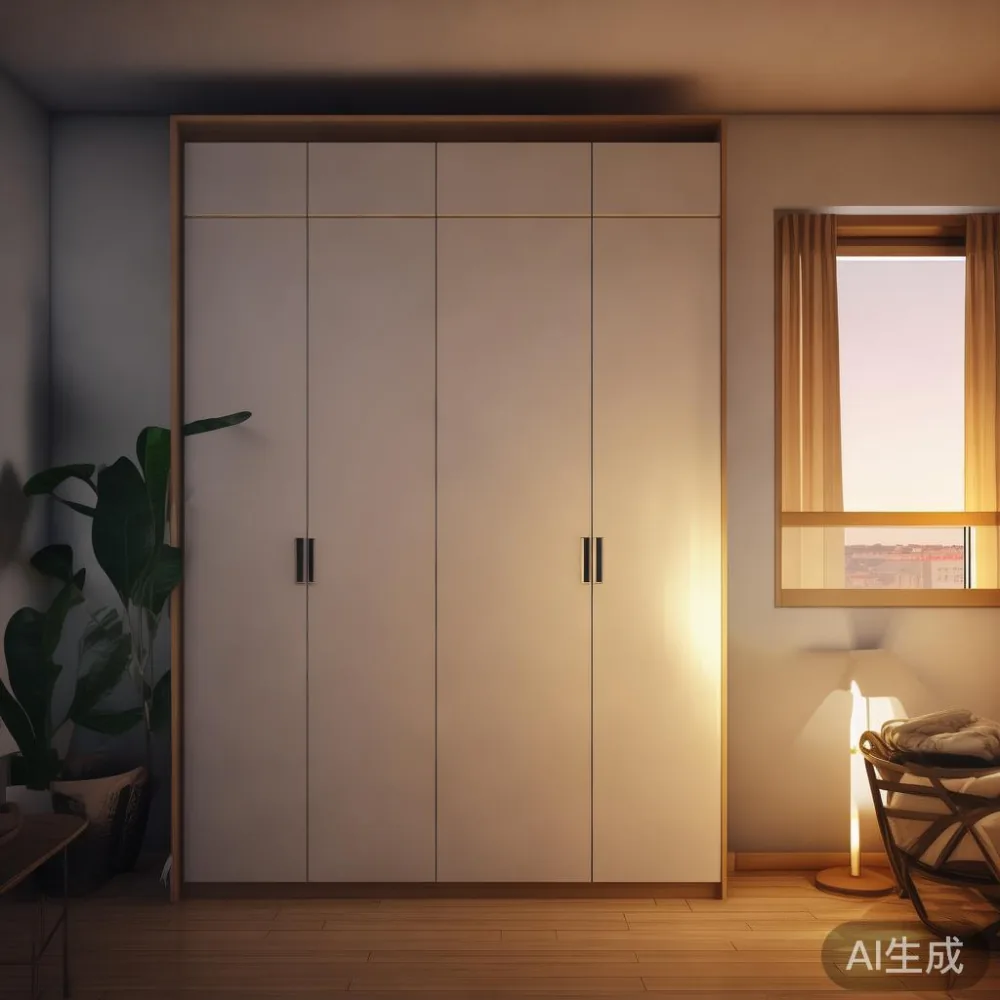
Most people start shopping with a cushion, a vase, or a paint chip. I do it too, my eye goes to a 0.8 m ceramic stool before I check the wall lengths. The trick, especially in a HDB bedroom that is 3.2 m by 3.0 m, is to anchor the room with one strong vertical piece before anything else. For a bedroom that usually means a storage wardrobe that runs from floor to a soffit, around 2.4 m to 2.55 m tall, with sliding doors instead of hinged ones so you save the 0.6 m swing arc.
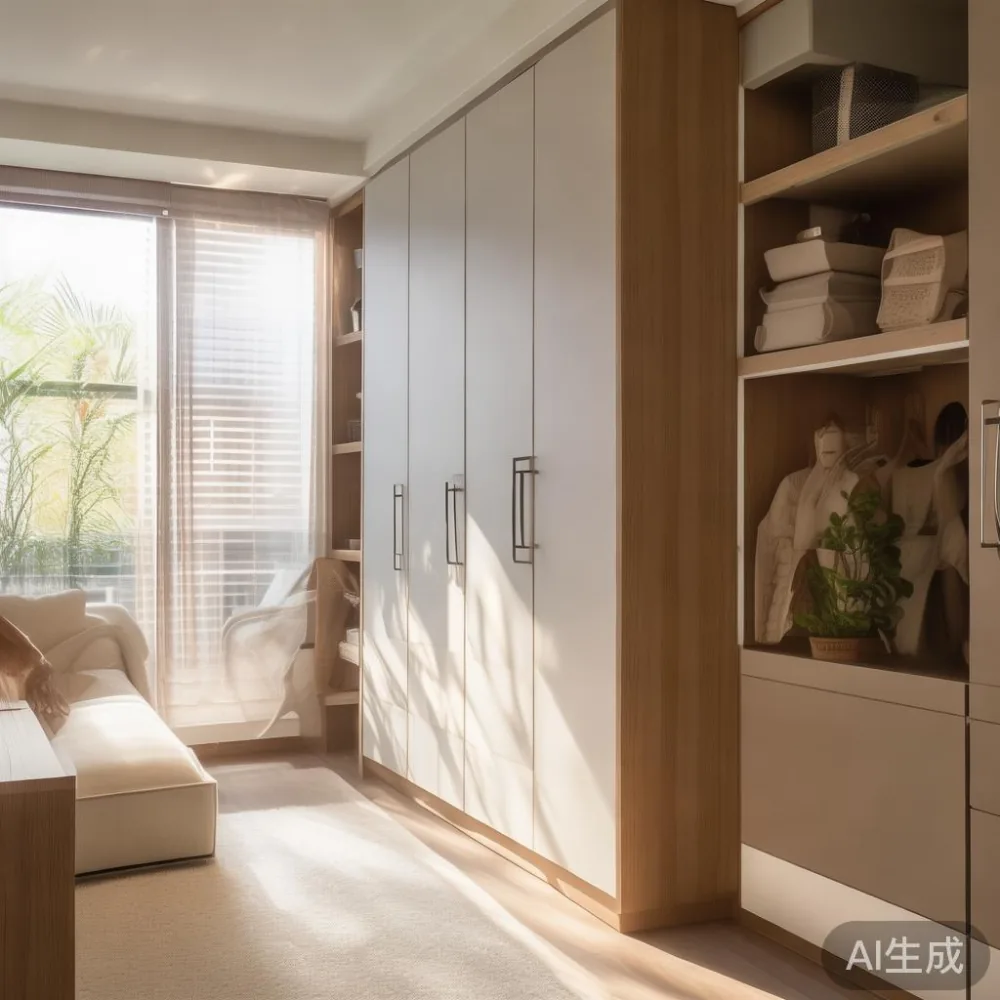
When Priya and I measured her wall, we chose a wardrobe 2.2 m wide and 0.58 m deep. The depth matters more than people think. Anything shallower than 0.55 m cannot hang a shirt flat; anything deeper than 0.62 m starts eating floor area you cannot spare. Inside, two hanging rails at 90 cm and 165 cm, plus three 0.4 m wide drawers and two adjustable shelves, held everything she and her husband owned for two seasons, with room for four balikbaba boxes up top.
Brands that build their wardrobes from solid oak or solid ash rather than MDF tend to feel heavier to lift on day one, around 95 kg for a 2-door unit and 140 kg for a 3-door unit, but they do not rack after the second round of zouk-out humidity. If you are browsing Singapore retailers, ask whether the carcass is solid wood or wrapped board. If the answer is vague, walk away. A genuine wardrobe in this category sits between SGD 1,580 and SGD 2,950 for a 3-door configuration, and the freight from a Foshan maker like MIDHILL, which has been producing since 2008 and currently exports to more than fifteen countries, is often bundled into the price for orders above the US$350 threshold their policy uses, so you see one number, not three hidden ones.
French light luxury is not a look, it is a proportion rule
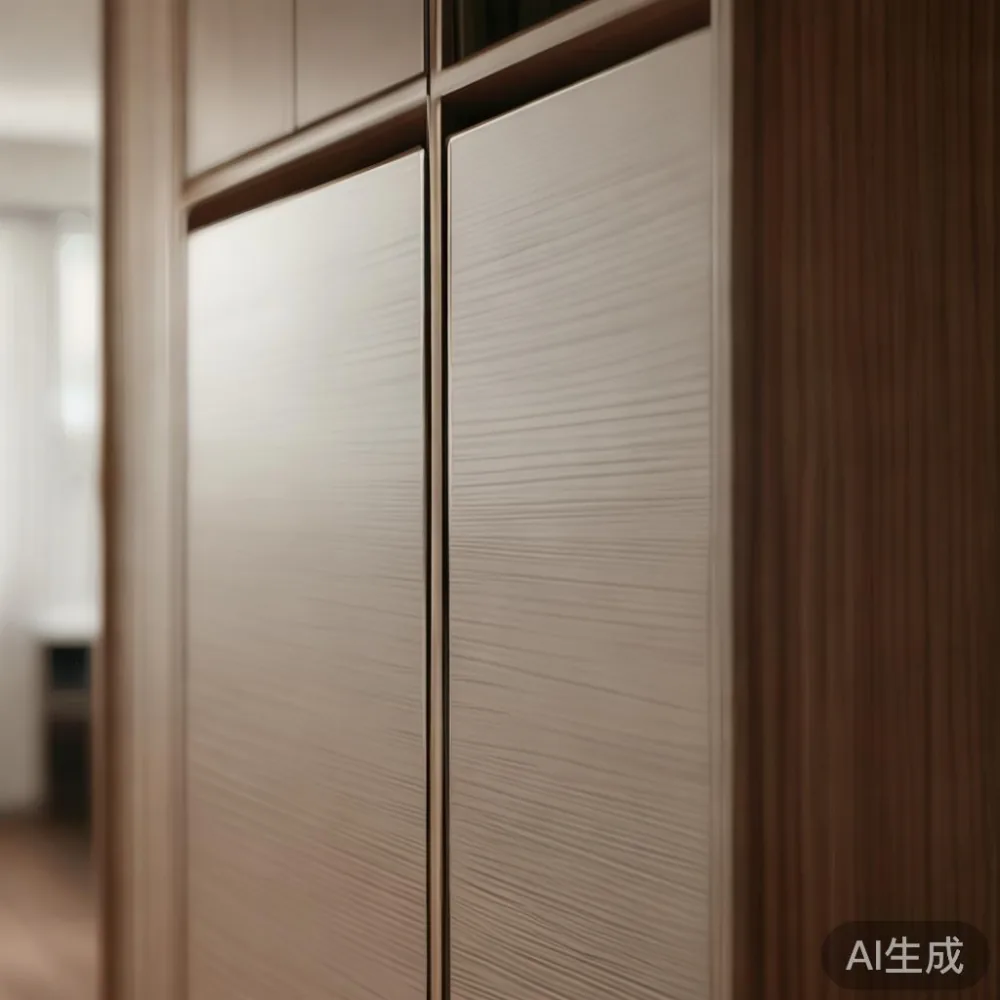
People hear the phrase French light luxury and imagine gold trim, marble, and tufted headboards that would suffocate a HDB bedroom. Actually, the French light luxury vocabulary is much gentler. It is the discipline of negative space, slim tapered legs on a nightstand (think 3 cm profile legs instead of 5 cm block feet), brushed brass handles 12 cm long rather than 22 cm drop pulls, and stone tops on accent pieces that are 1.2 cm thick instead of the chunky 4 cm farmhouse slabs you see everywhere.
In Priya's room, we used a 1.5 m by 0.6 m solid wood bed frame in white oak with a 1.2 m channel-tufted headboard, two 0.5 m by 0.4 m nightstands with curved fronts and slim handles, and one small marble table 0.45 m in diameter next to the reading chair. None of these pieces is expensive in an aggressive way. Together they read calm, considered, and quietly grown-up. That is the post-modern light luxury attitude, taking the bones of mid-century proportion and softening them with rounded edges and stone inlays that do not shout.
If you want to see this logic applied to a dining table, try a 1.4 m to 1.6 m solid wood dining table for a four-seater, with legs that taper from 8 cm at the top down to 3 cm at the floor. A square 1.2 m table also works for tight HDB eat-in kitchens. For the sofa, a 2.1 m three-seater with a 0.92 m depth and 0.42 m arm height keeps the silhouette low so the ceiling reads taller than it is.
What should I refuse to buy for a small HDB?
Refuse anything taller than 0.55 m in depth that does not sit against a wall, refuse any piece with visible plastic glides (they scratch vinyl floors within weeks), and refuse wardrobes whose top panels are 1.5 cm or thinner. Refuse MDF wrapped in paper foil for anything you plan to keep more than four years. Refuse any dining table wider than 1 m that you intend to push against a wall, because you will never use the lost 40 cm and you will trip over the chair legs every night. Refuse ottomans that are not also storage boxes, refuse bar stools that cannot slide fully under a counter, and refuse any headboard taller than 1.2 m unless your ceiling is 3.0 m or higher.
How do I choose a work from home for a balcony?
Measure the narrowest point of access first, which on most HDB service yards is 0.78 m wide and 2.05 m tall after the lintel, then pick a desk that is shorter than 0.75 m deep and shorter than 1.2 m long so two adults can still pass the laundry zone. For a balcony WFH set-up in Singapore, choose a desk around 1.0 m to 1.2 m long, 0.55 m to 0.65 m deep, and 0.74 m to 0.76 m tall, in solid wood or metal so it tolerates afternoon thunderstorms, and pair it with a chair on an open-frame base rather than a five-star wheeled base so you can slide it sideways when the rain hits the canvas awning. Add a slim 0.4 m wide shelf at 1.1 m height for your router and a plant, plus one foldable floor lamp at 1.6 m, and your balcony becomes a useful second office without losing the drying rack you actually need.
What is the easiest layout trick that nobody talks about?
Floating the bed 8 cm off the wall on a low-profile solid wood bed frame. Sounds strange, but a bed that you can see daylight behind reads as a piece of furniture in a room rather than a wall jammed against a wall. The light gap behind the headboard visually widens a 3 m wall by 20 to 30 cm. Pair the same trick with a console that is 0.3 m deep instead of a sideboard at 0.45 m, and your corridor of a room suddenly feels like a hallway in a Parisian flat. If you want to push the idea further, leave the lower 12 cm of the wardrobe base exposed, no plinth, so daylight runs underneath, and you have created the same optical trick the French light luxury studios use in their showrooms.
Can storage wardrobes actually replace a chest of drawers?
Yes, if you choose a layout with at least three internal drawers 0.45 m wide and 0.18 m tall, and if you accept that you will fold more than you hang. A 2-door wardrobe at 1.0 m wide can comfortably hold two 0.45 m hanging zones stacked vertically, plus four 0.4 m drawers below, which equals 0.72 m of linear drawer space. That replaces a four-drawer chest that would normally eat 0.5 m by 1.0 m of floor area. In a condo where every 0.1 m² costs SGD 1,400 to SGD 1,900 per square foot of margin on the property market, freeing up that square metre pays for a mid-range storage wardrobe within a single tenancy cycle. The same maths works for a 3-door wardrobe in a 4-room HDB, which is usually the sweet spot between capacity and the 1.2 m to 1.5 m corridor widths you need to leave clear for door swing and walking.
What about the air-con ledge and the awkward column?
Two enemies of small layouts. The air-con ledge above the wardrobe usually sits 0.3 m to 0.45 m deep, which is wasted space you cannot reach safely without a stool. Either extend your wardrobe to the underside of the soffit (the carpenter will cap the top with a 1.8 cm solid wood panel for an extra SGD 180 to SGD 260) or accept the ledge as a display shelf for three objects, no more, otherwise it becomes clutter you cannot dust. The awkward column, those 0.4 m by 0.4 m concrete pillars that appear in newer BTOs in Punggol and Sengkang, can host a tall narrow 0.45 m wide shelving tower that runs from floor to ceiling and holds books, baskets, and a single trailing plant. The tower looks like architecture, not storage, which is exactly the illusion you want.
Real numbers from a Tampines 5-room I visited last month
A client of mine, Mr Lim, just moved into a 5-room HDB in Tampines North. His master bedroom is 4.2 m by 3.0 m with one structural column. We placed a 2.4 m wide storage wardrobe against the longer wall, a 1.8 m by 2.0 m solid wood bed frame in ash, two 0.55 m nightstands, a 0.9 m by 0.4 m marble table against the column as a vanity, and a 1.6 m solid wood dining table in the living area. Total landed furniture cost, including a 2.3 m sofa in light grey boucle, was SGD 7,640, with shipping taking 18 days door to door from a Foshan workshop and the warranty covering ten years on structural joints. His previous set, bought in 2017 from a local flat-pack brand, lasted six years before two wardrobe shelves bowed and the dining table wobbled. The math, even with the 9 percent GST layered on, still came out ahead on a cost-per-year basis.
Three small habits that keep the room calm after you move in
First, label every drawer, even the obvious ones, because six months in you will forget which of the four identical drawers holds the cables. Second, keep one surface completely empty, the nightstand only gets a lamp and a book, never a stack of mail. Third, commit to a one-in-one-out rule for clothes, because a storage wardrobe with thoughtful drawers fills up faster than you expect, and the room begins to look crowded long before it actually runs out of square metres. These three habits cost nothing and they protect the visual quiet you paid for when you chose slim-tapered pieces and a stone-topped marble table in the corner.
Where do bean bags and soft pieces fit in?
They fit, just not where you think. A Nordic bean bag in Singapore, sourced in the 0.85 m diameter range with a removable washable cover and a foam-and-fibre inner that weighs about 6 kg, gives you a reading perch in a corner that a chair cannot occupy without eating the walkway. Pair it with a small 0.4 m rattan side table that you can drag anywhere, and you have a flexible reading zone that collapses when guests arrive. The Nordic bean bag singapore market has matured a lot in the last three years; the better pieces hold their shape after 200 sits, which matters because the cheap ones go flat within a year and look untidy against an otherwise curated room.
Putting it all together for a HDB or condo in the east
If you live in Tampines, Bedok, or Punggol, the lift constraints are real, so check the diagonal of any wardrobe or sofa before you confirm the order. A 2.4 m wardrobe will not fit a 0.9 m by 2.1 m lift unless it is tilted, and a 2.3 m sofa has to come up the service lift, which means a delivery slot between 10 am and 3 pm on weekdays in most estates. Plan the slot when you book, because the next available window can be five to seven working days away, and your old bed will already be gone. Pieces from established Foshan makers such as MIDHILL tend to ship pre-inspected, so the rejection rate at your door is below 2 percent, and the lifetime refinishing policy means a scratch on the dining table ten winters from now is a weekend project, not a replacement.
Style a small apartment without making it feel crowded by respecting proportion before decoration, choosing solid wood bed frame and wardrobe pieces that do not sag, sticking to one light luxury vocabulary across the whole home so the eye reads the space as one room rather than a museum of competing ideas, and leaving daylight between the furniture and the walls. Do those four things, and your HDB will feel like the quiet flat Priya and I built in Punggol that Saturday afternoon, not the storage unit the developer tried to hand you.