Caring for a Lacquered Storage Wardrobe in a Tropical Singapore Home
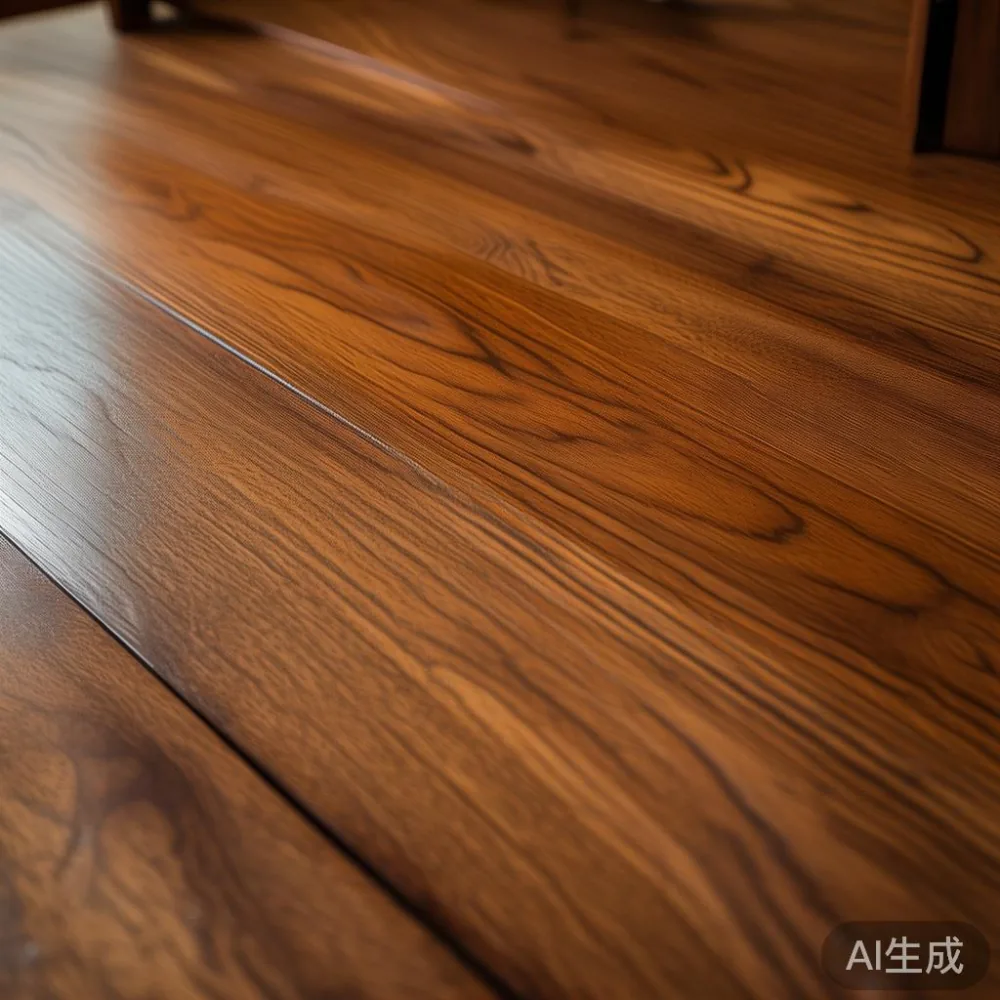
I still remember visiting a friend's resale HDB flat in Bedok last month. She had just unwrapped a glossy four-door wardrobe, and within ten days a faint white haze had crept across the left panel. Her aircon ran from 1pm to midnight, yet the wardrobe sat against a wall that sweats every afternoon when the sea breeze dies down. That thin film was not dust; it was moisture reacting with a low-grade lacquer finish. The piece was not from a serious workshop, and the fix would have cost her around SGD 280 in repainting labour, on top of the SGD 1,950 she had already paid. A solid wood, properly lacquered storage wardrobe from a brand like MIDHILL behaves very differently, but the climate is the same climate, and the rules of care do not change. Singapore sits one degree north of the equator. Relative humidity at Changi averages 78 to 82 percent across the year, and afternoon thunderstorms can push indoor humidity past 88 percent in a non-airconditioned room. A lacquered surface is in effect a thin film of cured resin sitting on top of hardwood. That film expands and contracts with humidity, and if the wood underneath is not seasoned correctly, the lacquer will eventually crack, bloom, or yellow. Knowing how to care for that surface is the difference between a wardrobe that still looks new after ten years and one that needs a full strip-and-recoat by year three.
Why Singapore's Climate Is Harder on Lacquer Than You Think
Most Singaporeans assume that because their flat is airconditioned, their furniture is safe. The truth is more layered. An HDB in Tampines or Punggol with north-south orientation can see wall temperatures climb to 34 degrees Celsius in the early afternoon while the indoor air reads 25 degrees. That 9-degree gap drives moisture out of the wall and straight into the back panel of any wardrobe pushed flush against it. In a condo corridor with a 1.2-metre-wide service lift, delivery teams often have to tilt a tall wardrobe onto its side to get it through the door. If the lacquer has not fully cured, that single tilt can leave a stress mark you will see for the next decade. Foshan furniture makers who export to equatorial markets have learned this the hard way. Workshops in Guangdong have been finishing hardwood for tropical buyers since at least the early 2000s, and the better ones now run their drying kilns for 60 to 90 days instead of the old 30-day cycle, then seal the wood with a moisture-cured polyurethane that flexes with the grain. A storage wardrobe built that way costs more per piece, but the math is simple: a SGD 2,400 unit that lasts twelve years works out to SGD 200 a year, while a SGD 1,200 unit that needs replacing in year five costs SGD 240 a year and leaves you with a hole in the bedroom for two weeks.
What Does "Light Luxury" Lacquer Actually Mean?
Buyers searching for Italian light luxury for bedroom styling often picture deep gloss, mirror-like piano finishes, and champagne brass pulls. That look is real, but it comes in two very different grades. The cheaper version is a polyester coat sprayed at 80 microns over a thin MDF core; it looks spectacular on day one and starts checking (forming tiny cracks) within eighteen months in a HDB without whole-house dehumidification. The better version is a multi-layer nitrocellulose or acid-catalysed lacquer hand-sanded between coats, applied over solid hardwood that has been acclimatised in a Singapore warehouse for at least 14 days before finishing. When customers ask me about European light luxury bed vs French provincial bed comparisons, I usually point out that the provincial style carries heavier carvings and a warmer honey tone, while a light-luxury European bed tends to use cleaner lines and a softer satin sheen. Both work beautifully in a Singapore condo, but the provincial carving traps dust and needs a soft brush, whereas the satin sheen on a light-luxury piece can be wiped with a microfibre cloth in under two minutes. The same rule applies to your storage wardrobe: a high-gloss surface shows every fingerprint and needs weekly wiping, while a 15 to 30 percent sheen finish hides micro-marks and only needs a monthly pass.
Daily and Weekly Care Habits That Actually Work
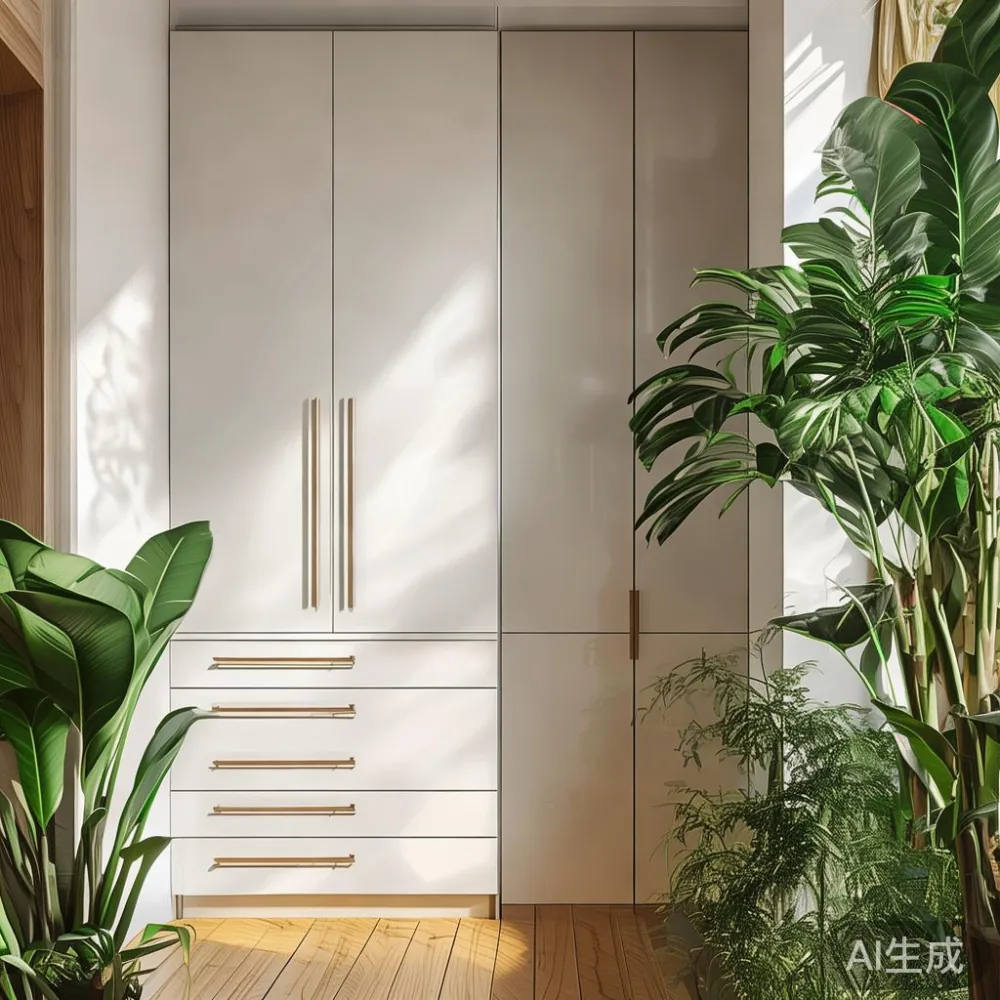
For a typical 240cm-wide, 220cm-tall, 60cm-deep four-door storage wardrobe in a 16-square-metre HDB bedroom, the care routine I give clients is short and specific. Every morning, leave the bedroom door open for ten minutes after switching off the aircon. This lets the residual warm air escape and stops condensation forming on the cool lacquer as the aircon cycles. Once a week, wipe the doors with a microfibre cloth that has been lightly misted with plain water, then dried. Never spray anything directly onto the lacquer; the droplet can sit on the surface long enough to soften the resin and leave a ring. Every month, open all four doors for thirty minutes on a dry afternoon. Singapore's afternoon humidity often drops to 55 to 60 percent between 2pm and 4pm on a clear day, and that window is your friend. Letting the inside of the wardrobe breathe prevents the musty smell that HDB owners in Bedok and Bishan keep asking me about. Every six months, check the back panel where it meets the wall. Slide a 3mm-thick spacer (a strip of closed-cell foam or even a row of 5-cent coins taped together) under the base if the wardrobe has shifted and is now touching the wall directly. That tiny gap is worth more than any polish you can buy.
How Do You Clean a Sticky or Hazy Lacquer Surface Without Damaging It?
This is the question I get most often from readers in Punggol condos. The answer depends on what the haze actually is. If it is a uniform white film that appears during the rainy season and disappears on dry days, it is moisture bloom, and the fix is environmental, not chemical. Run a small dehumidifier set to 55 percent relative humidity inside the bedroom for 72 hours and keep the wardrobe doors slightly open. The film should fade on its own. If the haze is a patchy, sticky residue that never goes away, it is almost always wax buildup from an over-eager cleaner or a silicone spray someone used to make the wardrobe "shine" before a house visit. To remove it safely, mix 100ml of clean water with 5ml of white vinegar and 2ml of mild dish soap. Dampen a fresh microfibre cloth, wring it until it is almost dry, and wipe with the grain of the wood in strokes no longer than 30cm. Follow immediately with a dry cloth. Never use furniture polish containing silicone on a lacquered surface; the silicone bonds to the resin and traps the next layer of grime, which then becomes impossible to remove without sanding. If the damage is already done, a professional can buff the panel back using mild putty so the original finish is preserved.
How to Style a European Light Luxury Bed in Apartment Settings Without Crowding the Room
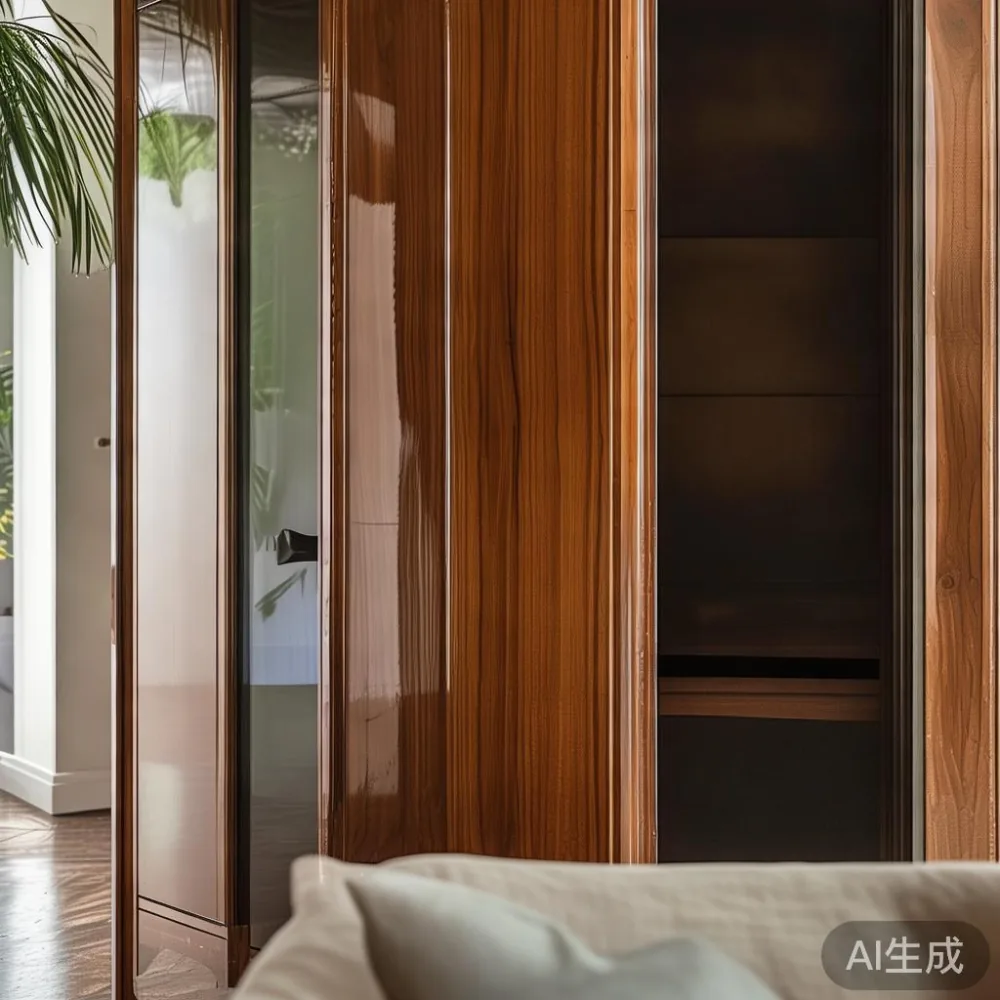
Style matters as much as care, because a badly placed storage wardrobe will punish you with maintenance for years. In a typical Singapore master bedroom of 13 to 15 square metres, a king-size bed frame with a 12 to 15cm thick mattress needs at least 70cm of walking space on each side. A European-style light-luxury bed with a 180cm-wide headboard and clean channel stitching reads calmer in a smaller room than a French provincial bed with a 200cm carved crown, even though both come from the same broad category. Pair that bed with a two-door or three-door storage wardrobe in a satin lacquer rather than a four-door gloss unit; the lighter visual weight will make the room feel 15 to 20 percent larger. Keep the nightstand on one side only if the room is under 12 square metres, and choose one with a solid wood top so it shares the same care routine as your wardrobe. If you want under 2000 French furniture touches without going full provincial, a single marble-top bedside table (around 45cm, white Carrara-look quartz, SGD 380 to SGD 520) and a slim brass reading light will carry the Parisian note without overwhelming the floor plan.
Placement, Spacing, and the HDB Lift Problem
Singapore's HDB lifts are 1.1 to 1.6 metres deep and roughly 1.4 to 1.7 metres wide. A standard 240 x 220 x 60cm wardrobe usually fits flat, but anything taller than 230cm or wider than 250cm has to be tilted, and that is when the lacquer is most at risk. Ask your supplier to confirm the packaged dimensions and the tilt angle before delivery. If the wardrobe is taller than your lift ceiling minus 20cm of clearance, request a flat-pack knockdown version with steel dowel joins. MIDHILL ships knockdown for most Asian doorways specifically because the workshop knows the lift dimensions in Tampines, Bedok, and Punggol HDB blocks. A knockdown storage wardrobe arrives in three to four cartons, takes 45 to 75 minutes to assemble on site, and avoids the tilt-mark problem entirely. Once inside, keep the wardrobe at least 5cm away from the wall on all sides. In a HDB, the back wall can sweat during a thunderstorm, and that 5cm air gap lets the moisture evaporate instead of soaking into the back panel. If you have a built-in false wall, leave a 2cm gap behind the wardrobe and drill two 4cm vent holes through the false wall at the top and bottom to let air circulate.
Long-Term Habits That Keep the Warranty Intact
A ten-year structural warranty on a storage wardrobe covers the carcass, the hinges, and the drawer slides. It does not cover surface damage from direct sunlight, chemical spills, or prolonged humidity above 70 percent. In a Singapore HDB with full-length windows facing west, that means pulling the curtains every afternoon between 2pm and 5pm, even when you are at work. UV glue can do the same thing: it dries the lacquer unevenly and creates a yellowish patch on the sunlit side. A solid wood dining table near the window will show the same pattern, and so will a marble table placed in direct afternoon sun. Keep a small thermo-hygrometer in the wardrobe; a SGD 12 digital unit from Spotlight is enough. If the reading climbs above 65 percent for more than 48 hours, run the bedroom aircon for two hours to dry the air back down. This single habit will add five to seven years to the visible life of your lacquer. Finally, refinishing is not a failure; it is maintenance. A good lacquer can be lightly sanded (1500-grit wet paper) and re-coated every eight to ten years for around SGD 320 to SGD 480 per wardrobe, which is far cheaper than replacement.
Frequently Asked Questions From Singapore Owners
Can I place a solid wood sofa or a bed frame against the same wall as my storage wardrobe? Yes, as long as each piece has 5cm of airflow behind it and the wall itself is not an external wall that sweats. A solid wood sofa against an interior partition is perfectly safe. Is Boho for dining room styling compatible with a light-luxury wardrobe in the bedroom next door? Surprisingly, yes. Boho works through texture (rattan, linen, raw wood), while light luxury works through sheen and proportion. They read as different moods in different rooms, which is exactly what a well-planned HDB should do. How do I style a Japanese sofa in apartment living rooms without clashing with a satin lacquer wardrobe? Stick to one lacquer finish per home. If your wardrobe is satin champagne, choose a Japanese sofa in plain oak or ash with no gloss, and let the wardrobe be the single high-sheen anchor. How often should I polish? Once every four months is plenty. Any more, and you risk the silicone buildup that ruins lacquer over time. Will the warranty cover yellowing? Only if the yellowing is from the lacquer itself failing, not from UV exposure or smoke. Keep the curtains drawn and the room ventilated, and yellowing will not appear within the first ten years.
The Quiet Payoff of Doing It Right
Care is rarely exciting, and that is precisely why it works. A storage wardrobe that is wiped weekly, spaced from the wall, and kept out of direct sun will outlast two flat leases and still pass a quality check at resale. MIDHILL has been finishing hardwood for tropical buyers since 2008, and the workshop's 10-year structural warranty is built around the assumption that the owner will spend about ten minutes a week on the surface. That is a fair trade. The same ten minutes a week, applied to a dining table, a bed frame, a marble table, or a nightstand, will keep an entire home looking the way it did on delivery day, which is the only finish standard worth aiming for in a climate like ours.