How to Care for a Lacquered Storage Wardrobe in Singapore
A lacquered storage wardrobe can make a compact Singapore home feel orderly and quietly luxurious, but the climate adds one demanding responsibility: keeping moisture, heat and sunlight away from the finish. In an HDB flat in Tampines, a corridor 105 cm wide and a lift with internal dimensions of about 110 cm by 140 cm can restrict delivery as much as the wardrobe itself. For a condo in Bedok or Punggol, humid air, reflective glazing and air-conditioning cycles can expose the surface to changes that happen faster than many owners expect.
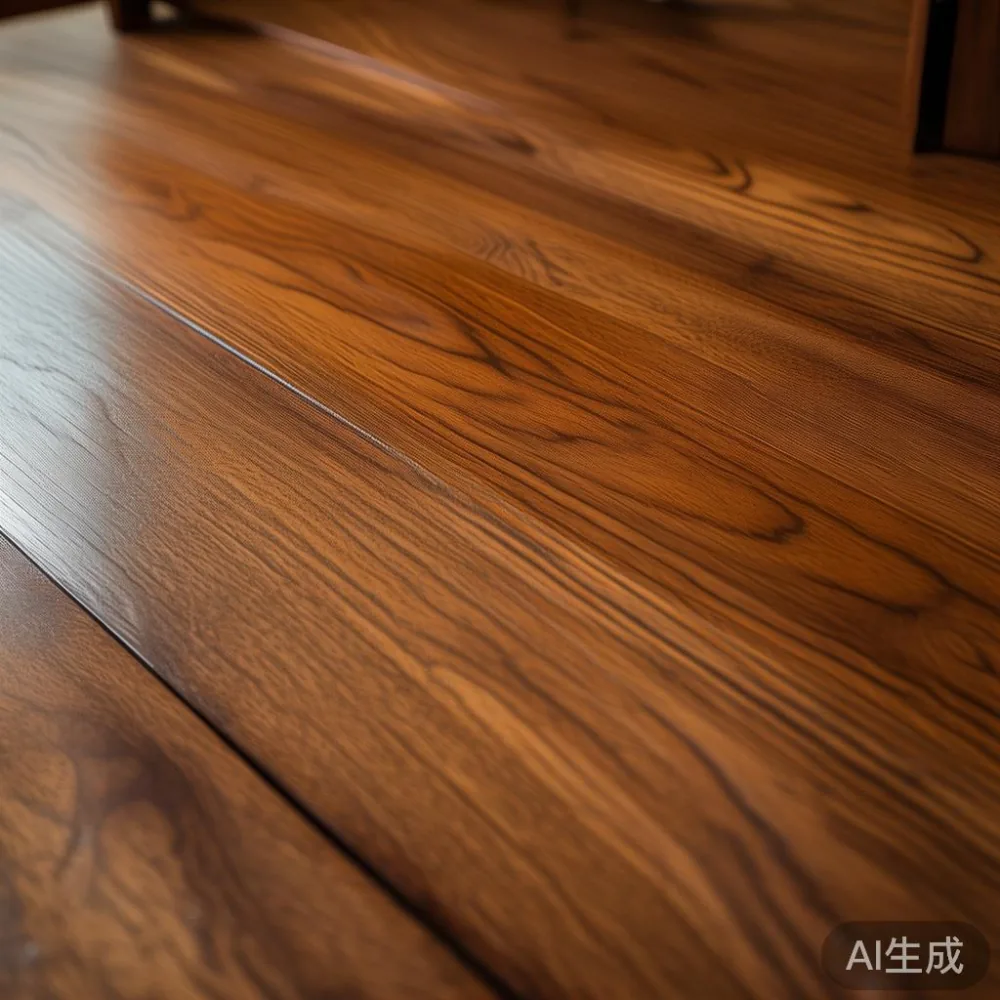
MIDHILL designs solid wood storage wardrobes with a 10-year structural warranty and lifetime refinishing support. The lacquer, however, is a separate care concern. Its appearance depends on sensible habits around water, dust, abrasion and sudden temperature shifts. This guide explains how to inspect, clean and maintain a lacquered finish without stripping it or using harsh chemicals.
The same care discipline applies beyond wardrobes. A solid wood sofa, bed frame, dining table, nightstand or marble table may share the same humid environment, although stone and timber respond differently from lacquered panels. The advice here stays focused on the wardrobe because that is where fitted lacquered doors, drawers and narrow storage zones make careful handling especially important.

What does tropical humidity do to a lacquered storage wardrobe?
Singapore’s relative humidity commonly ranges from roughly 65% to 85%, with coastal areas and unshuttered rooms occasionally experiencing higher readings. Lacquer is less porous than bare timber, yet it can still show fine haze, stickiness, micro-scratches or edge marks when moisture lingers. Repeated swelling and drying of the underlying wood may also stress hinges and cause a door to rub against its frame.
Heat works with humidity. A wardrobe positioned beside a west-facing window can reach 38°C at its surface while tropical outdoor temperatures sit near 31°C. Air-conditioning may then cool the room to 24°C within minutes. That change can condense moisture on adjacent metal fittings or force lacquered panels to expand and contract at different rates from solid wood sections.
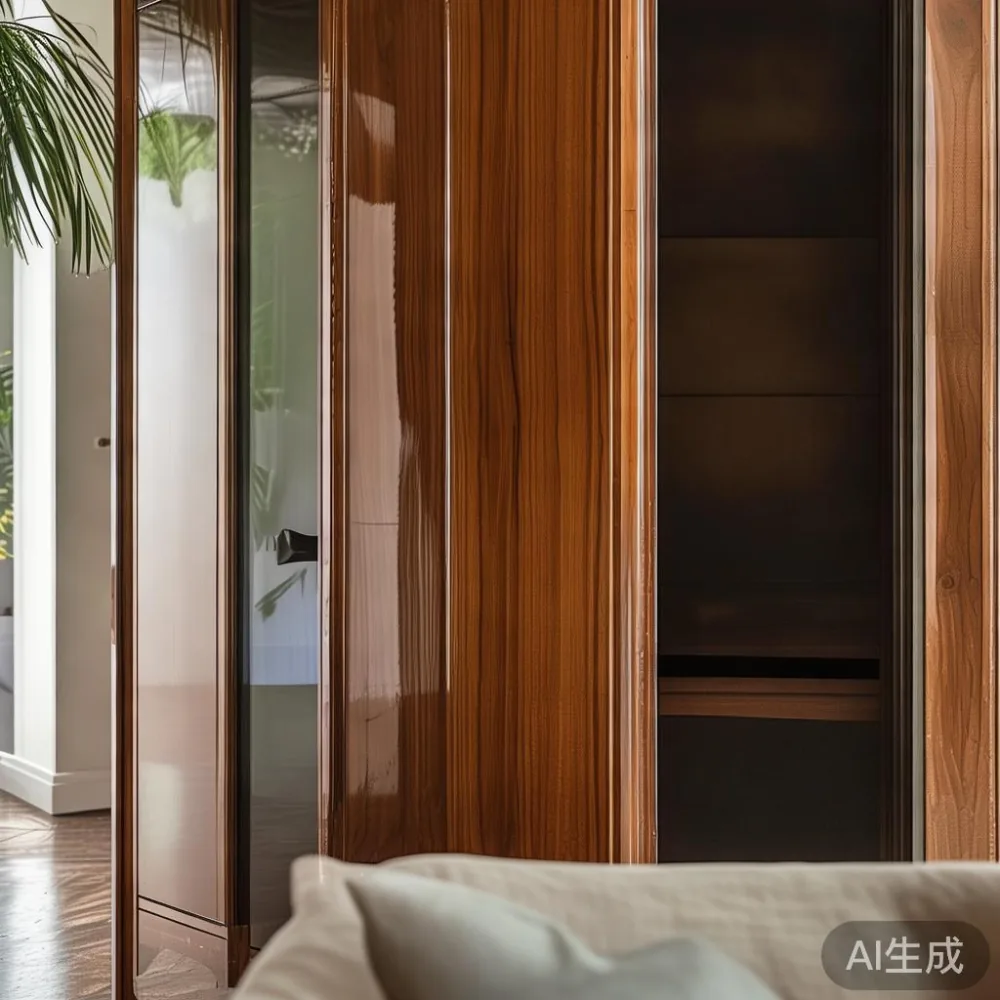
Light is the third factor. Strong ultraviolet exposure can fade pigment over several years, particularly on charcoal, taupe and warm cream finishes. A wardrobe in a Punggol condo with large glass panels may receive direct sun for 2 to 4 hours each afternoon. Curtains or UV-filtering blinds help, but airflow and distance from the glass matter too.
I tested a sample lacquer finish last month at my colleague’s workshop in Foshan. Its panels were exposed for 14 days to cycles of 80% humidity and 32°C temperatures, with occasional damp cloths resting against the edges. The sample developed a faint surface haze but no visible blistering. After cleaning with a pH-neutral solution and drying with a microfibre cloth, the haze disappeared. A control panel exposed to an alcohol-based cleaner lost gloss within 48 hours, which confirmed that the product used on the touch surface matters.
How often should a lacquered storage wardrobe be cleaned?
A light weekly dusting is usually enough for a normal bedroom. Use a clean, dry microfibre cloth or a soft natural-hair brush, working from top to bottom so grit does not fall onto lower doors. Vacuum the internal tracks and drawer bases with a brush attachment set to approximately 800–1,200 suction units, provided the nozzle does not scratch the coating.
Wipe visible marks with a slightly damp cloth every 2 to 4 weeks, depending on dust, cooking residue and household activity. The cloth should be wrung out until it feels only damp, not wet. Test an inconspicuous area near the back of a drawer for 24 hours before treating a larger section. Avoid soaking door edges, panel joints and timber ends, where moisture can enter more readily.
For sticky handles, use a barely damp cloth with 1 drop of mild dishwashing liquid per 500 ml of lukewarm water. Wipe once, then dry with a separate cloth. Do not spray cleaner directly onto the wardrobe: overspray can reach seams, locks or unfinished internal surfaces. Paper towels can leave fibres, so laboratory wipes or soft cotton cloths are preferable for a high-gloss lacquer.
Clean spills promptly. Water rings should be addressed within 30 minutes, while oil or makeup may need careful attention within 1 hour. Never use wire wool, scouring pads, abrasive powder, nail-polish remover, acetone, thinner or household bleach. A lacquer surface should never be “polished” with an aggressive compound; rubbing can create a cloudy halo that takes months to fade.
How should doors, drawers and hinges be checked?
Inspect the storage wardrobe twice a year, preferably before and after the main monsoon periods. Check the top, sides and bottom of the doors for swelling, then look for gaps larger than 3 mm. A door that needs more than 8 kg of hand pressure to close may be rubbing or misaligned. Do not force it.
Loosen the hinge screws slightly and confirm that the door can move through its normal arc without touching the frame. If the cabinet is level, one adjustment may solve the issue. If the carcass is out of square, move the plinth, not the hinge. Solid wood storage wardrobes can move by as much as 3–6 mm across a 180 cm width as humidity changes, so flexible fittings and careful monitoring are useful.
For drawers, remove items that press against the front panel. A 60 cm drawer carrying more than 20 kg of tightly packed clothing or equipment may bow over time. Pull it from its runners using the handle, but keep fingers clear of the runner channel. Lift the drawer slightly by 5 mm if required to release it; dragging a lacquered front across a metal runner can leave scratches within 2 or 3 movements.
Check locks, sliding tracks and magnetic catches with a dry cloth. If a sliding door does not travel smoothly, remove grit from the lower channel with a narrow vacuum attachment rather than filing the track. Keep 3 cm of clearance around a freestanding storage wardrobe when possible, allowing air to circulate and giving you room to clean behind it.
Can sunlight and air-conditioning damage the finish?
Yes, even if neither causes immediate failure. Direct sunlight can discolour lacquer unevenly, while rapid cooling can encourage condensation near an external wall. Keep the storage wardrobe at least 60 cm from a window where space allows, or use sheer curtains plus blinds. The curtains should not touch moving doors because repeated fabric contact can abrade a gloss finish.
Aim for a stable indoor range of about 22–27°C and relative humidity between 45% and 65%. Singapore homes may not stay within those figures naturally, but small improvements reduce repeated movement. A dehumidifier positioned outside the wardrobe’s airflow path can help maintain a suitable room reading; do not place it directly against the cabinet or aim cold air at its panels.
Air-conditioning vents should sweep the room rather than strike a lacquered surface continuously. This matters in common HDB layouts, where a bedroom door may sit close to the return grille. If condensation appears, turn the room temperature up by 1–2°C and reduce the airflow setting for 30 minutes before wiping the affected area dry.
Design choices can also moderate climate effects. French light luxury wardrobes often use fluted glass, pale stone details and restrained profiles, while American light luxury storage wardrobes may combine warm timber with broad, clean panels. Post-modern light luxury styling can introduce curved edges and mixed materials. In every style, vents in fitted wardrobes should remain unobstructed, and an air gap behind tall units is more useful than allowing the back panel to touch a damp wall.
What is the safest way to remove scratches and dull patches?
Start by identifying whether the mark is on the lacquer or in the wood beneath it. A superficial scuff disappears under a bright phone light and often feels smooth to the fingertip. A deep scratch catches a fingernail and may expose timber or primer.
For a light scuff, use a clean microfibre cloth and a small amount of suitable lacquer care product. Apply it to the cloth rather than the wardrobe, then work in straight strokes of about 10 cm. Wait 2 minutes before buffing with a separate clean cloth. Always test first because abrasive “restoration” products can permanently reduce gloss.
For minor edge wear, do not sand the panel at home. Fine sanding can cut through the colour coat and create a pale scar. Photograph the damage in daylight, record the wardrobe dimensions and finish colour, and ask the supplier for the correct touch-up procedure. MIDHILL’s lifetime refinishing service can address more extensive wear when the relevant service terms and purchase documentation are available.
Use coasters and protective mats inside the wardrobe if you store cosmetics, perfume, metal tools or damp clothing. Perfume and alcohol-based hand sanitiser can attack some lacquer formulations. Keep them in sealed containers. Likewise, avoid placing wet towels directly against a door during a tropical storm. A moisture-absorbing tray can help, but it must not sit on the base of a drawer and prevent ventilation.
How do you prepare a lacquered storage wardrobe for delivery?
Preparation should begin before the wardrobe leaves the factory. Confirm the final packed dimensions against your lift, staircase and corridor. A typical lift door may measure 90–100 cm wide, while the lift car measures around 110–140 cm in depth. A large wardrobe may fit the lift upright but not when turned. Add 10 cm of packing allowance to your measurements, and check whether the wardrobe can be carried on its side only if the manufacturer permits it.
For a new HDB flat, measure the route from the ground-floor car park to the front door, around 90° turns and through the lobby. Corridors of 105–120 cm can be workable, but projecting handles or carton corners create trouble. In a Bedok condo, ask the management office about delivery windows, lift padding and parking charges. Use a 2-person delivery crew for wardrobes over 70 kg, with a furniture dolly rated above 120 kg.
Protection matters as much as handling. Wrap lacquered panels separately, label “upright” and “do not lay flat,” and use corner guards on carton edges. The receiving team should inspect for scratches before the carton is opened further. Photograph the panels and fittings so any transit damage can be documented within the delivery period.
MIDHILL provides delivery terms that include free shipping above US$350; the equivalent threshold is shown in SGD at checkout, with GST included where applicable. Typical Singapore delivery is estimated at 7–14 days after production and stock confirmation. Returns are accepted within 14 days under the stated policy, subject to condition and eligibility.
Can Singapore light-luxury furniture handle humidity better?
No material should be treated as immune to tropical humidity. A solid wood bed frame may check slightly as timber responds to seasonal movement, and a dining table should have coasters for hot drinks. A marble table can etch if acidic liquid remains on the stone, while a nightstand may have lacquered or veneered surfaces with different tolerances. These products belong in the same room environment, but each finish needs its own maintenance method.
Searching for an Italian light luxury TV console with pale stone or high-gloss panels may produce attractive designs, yet climate performance still depends on construction, edge sealing and care. Likewise, Japanese for small living room layouts often emphasises proportion, concealed storage and clean lines; those ideas suit compact Singapore rooms without eliminating humidity exposure.
Editorial comparisons such as the best Boho sofa for 2026, the question “is American bed worth it” and the best Modern bed for 2026 can help buyers assess proportions, but they cannot replace a finish-care plan. A practical solid wood sofa may be more forgiving in a humid room than a delicate lacquered storage wardrobe because the sofa’s finish and construction can differ. Ask each supplier for the lacquer type, cleaning guidance and repair options.
When comparing how to choose European wardrobe options, focus on humidity ratings, edge sealing, ventilation, hardware quality and after-sales care rather than style alone. A Foshan factory may use advanced coatings, but the final result still needs sensible operation after installation.
What is a practical tropical care routine?
A simple routine prevents most avoidable damage. Every Sunday, dust the wardrobe for 5 minutes with a dry microfibre cloth. During the wetter months, inspect the bottom edges and track once a week. Clean touch marks with a damp cloth immediately, then dry the surface. Check the room humidity every month with a calibrated meter and aim for readings below 65% where feasible.
Every 6 months, inspect hinges, locks and drawer runners, and clean the channels with a vacuum. Once a year, check whether sunlight has caused fading and whether the lacquer has developed haze around handles. Avoid placing the wardrobe against an exterior wall if condensation is common. Leave 3 cm of rear clearance and ensure ventilation grilles are not blocked by clothing.
Do not wait for peeling or blistering before acting. Haze, stickiness or a musty smell near the bottom edge can signal moisture problems within the first sign of finish change. A lacquered storage wardrobe in Singapore will look better for longer when humidity is managed, sunlight is moderated and small spills are cleaned before they settle.