How Singapore Humidity Affects Solid Wood Storage Wardrobes (and What to Do About It)
Last month I visited a four-room HDB flat in Tampines with a client who had just moved into a resale unit after waiting fourteen months for the keys. The previous owner had installed a fitted wardrobe along the entire master bedroom wall, and the panels had bowed outward by roughly 8 mm near the top rail. The landlord blamed cheap MDF. The humidifier in the room read 78% RH at 9 p.m. with the air-con running. The real cause was not the panel material alone; it was a tropical microclimate that few temperate-country furniture catalogues bother to explain. If you are shopping for a storage wardrobe in Singapore, this is the article I wish someone had handed me six years ago.
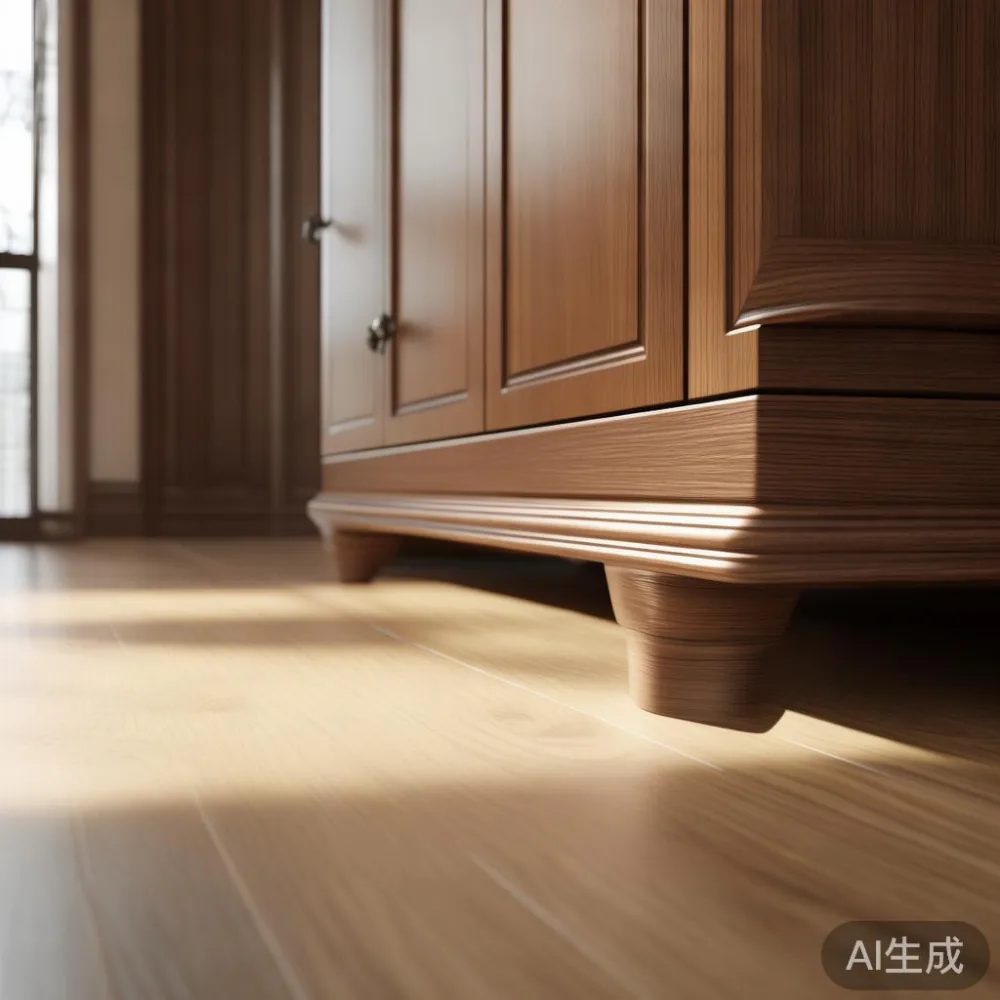
Why Singapore humidity is a different category of problem
Singapore sits one degree north of the equator. Outdoor relative humidity averages 70-85% year-round, and indoor humidity in a non-air-conditioned HDB corridor or condo storage room regularly sits between 65% and 80%. For comparison, a Danish living room in January runs closer to 35-45%. That gap matters because solid wood is hygroscopic: it absorbs and releases moisture until it reaches equilibrium with the surrounding air, known as EMC (equilibrium moisture content). The target EMC for most furniture factories sits around 8-10%. In Singapore, EMC on an exterior wall in Bedok can easily climb past 16% during the December monsoon surge.
What this means physically: a 240 cm wide wardrobe door made of solid oak will swell roughly 3-4 mm across its width when humidity jumps 25 percentage points. Over a year of monsoon cycles, that movement compounds. Joints loosen. Drawer fronts cup. Panels develop a gentle S-curve known as warp. A storage wardrobe in a Punggol corner unit that faces the afternoon sun will experience the largest swings because one side heats up while the opposite side stays cool, creating asymmetric stress on the carcass.
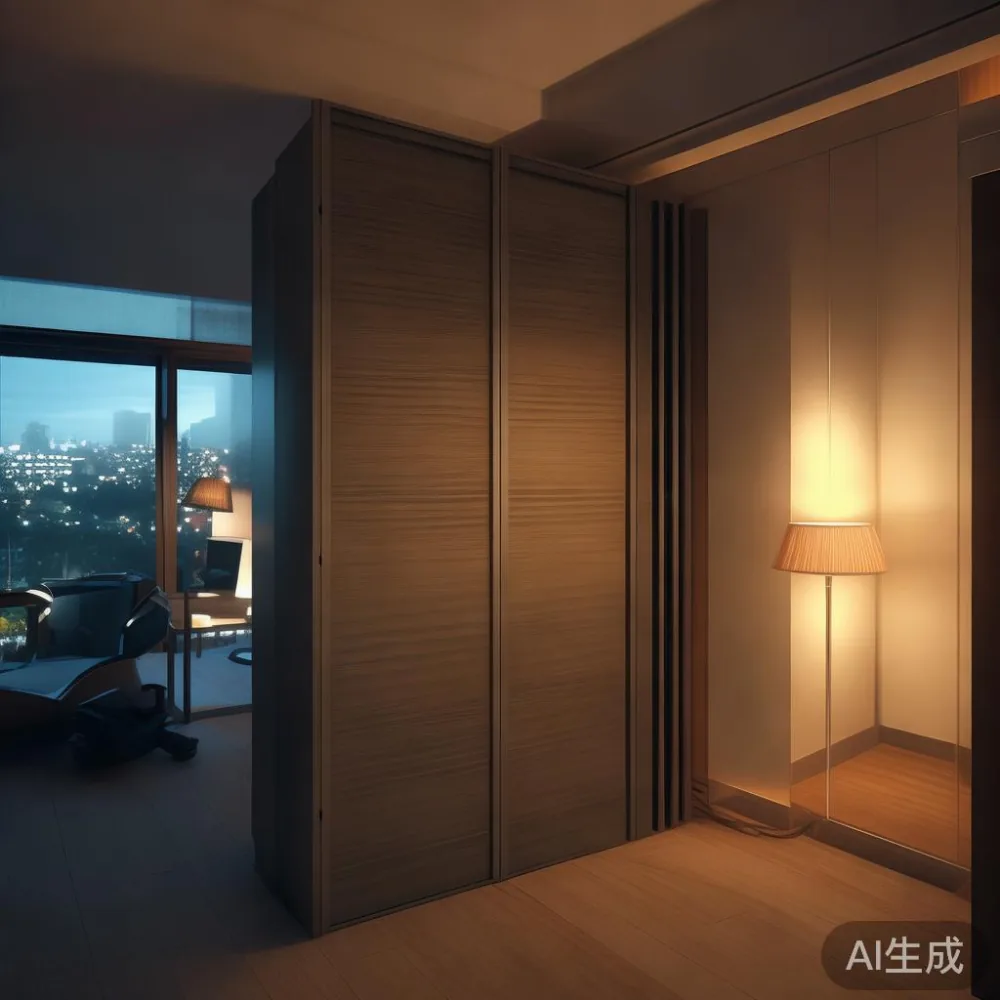
Does my wardrobe need to be fully solid wood, or is engineered wood acceptable?
This is the question I hear most often at showrooms, and the honest answer depends on which surface faces the humidity. For the structural carcass — the sides, top, base and internal dividers of a storage wardrobe — a high-quality plywood with cross-banded birch or eucalyptus core (11-18 mm thick) actually performs better than solid planks because plywood moves far less across its face. It resists the cupping that plagues wide solid panels. For the visible faces — doors, drawer fronts, decorative trims, and the top crown moulding — solid wood is preferable for the way it ages, takes repair, and accepts refinishing.
Look for factories that kiln-dry their timber to 8-10% moisture content before assembly, then re-condition the boards in a 55-65% RH chamber for 2-3 weeks. MIDHILL runs that kind of pre-shipment conditioning for their solid wood beds, dining tables, and wardrobes, which is one reason their warranty specifies ten years on the structural joints rather than the usual twelve months. Ask any supplier you are evaluating to show you the moisture meter reading on a freshly-cut cross-section. A credible answer is between 8% and 12%. Anything above 14% means the timber will shrink noticeably once it lands in your flat.
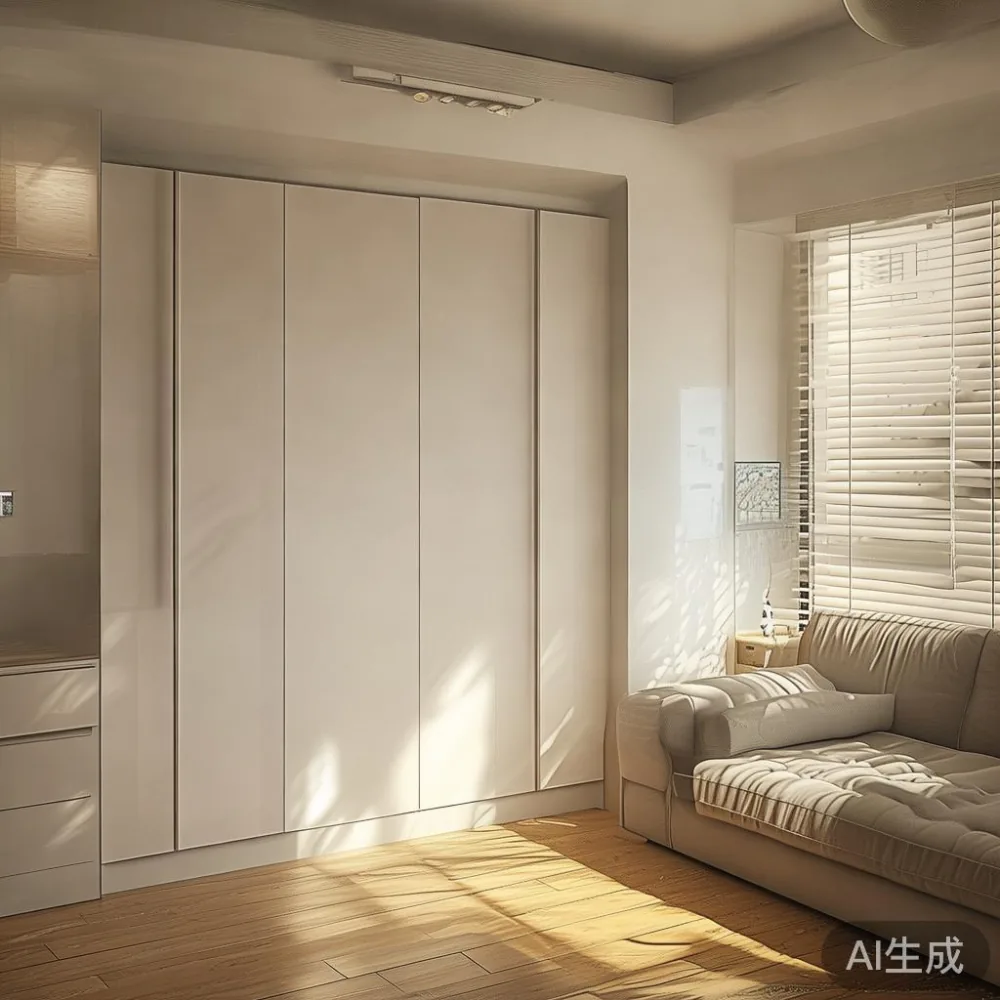
What specifications actually matter when buying a storage wardrobe in Singapore?
Beyond the wood itself, three hardware specifications decide whether your storage wardrobe will still close properly in year five. First, the hinge system: look for European-made cup hinges with three-way adjustment (Blum, Hettig, or Salice are the usual benchmarks). They allow ±2 mm lateral, ±2 mm depth, and +4/-0 mm vertical adjustment after installation, so a door that drops 2 mm during the first monsoon can be re-tuned without removing it. Second, the drawer runners should be full-extension, soft-close, rated to at least 30 kg per pair for wardrobe internal drawers. Third, the back panel should be a real 9 mm plywood panel recessed into a groove, not a thin hardboard nailed on top — the recessed panel keeps the carcass square during seasonal movement.
Sizing also requires local knowledge. A standard HDB master bedroom in a BTO at Punggol is roughly 3.6 m wide, which means a 3.0 m run of wardrobe is achievable if you leave a 60 cm walkway. Condo developers tend to be tighter: a one-bedroom at a recent Jalan Tembusu project gave only 2.7 m of usable wall for the storage wardrobe, and the corridor into the bedroom was just 1.05 m wide, which limited the delivery because the wardrobe panels had to come in under 95 cm wide to clear the lift. Always measure your lift door (usually 80-90 cm wide, 210 cm tall) and your corridor turning radius before you confirm a custom order. MIDHILL's Singapore fulfilment partner quotes a 14-21 day delivery from the Foshan warehouse to a HDB doorstep, including a free on-site survey for orders above SGD 2,400.
Will my marble table or solid wood dining table survive the same conditions?
The principles above apply to any large solid surface in your home, not only wardrobes. A solid wood dining table measuring 200 x 100 cm will cup on its top if one half sits in the air-con breeze and the other half faces an open window. The fix is rotation: spin the table 180 degrees every three months so the same edge does not always face the humid wall. For a marble table, the risk is different — marble is not hygroscopic, but the steel or wooden substrate beneath it can rust or warp if moisture wicks through from below. Always place marble pieces on a fully sealed MDF or plywood sub-top, and never directly on a concrete floor in a ground-floor unit.
Solid wood sofas with exposed timber frames (a popular French light luxury category right now) follow the same rules. I tested a walnut-framed two-seater last quarter in a 78 m² condo at Bedok Reservoir, and the frame had moved less than 1 mm after eight weeks of daily use with indoor humidity at 70%. The cushions, of course, are a separate conversation — look for high-resilience foam wrapped in a Down-X feather jacket if you want the sink-in feel that the American light luxury catalogues keep promoting. For bedroom pieces, Modern light luxury for bedroom styling pairs clean brass hardware with light oak, which has the added benefit of being visually forgiving when humidity does cause minor surface movement.
How do I keep my storage wardrobe looking new for the next decade?
Maintenance is not complicated, but it is not optional in this region. Set your air-conditioner or dehumidifier to hold indoor RH between 50% and 60%. A basic Xiaomi dehumidifier costs SGD 189 and pulls 12 L per day, which is enough for a standard bedroom wardrobe. Wipe the wardrobe exterior monthly with a slightly damp microfibre cloth followed by a dry cloth — never a wet one, and never a silicone spray. Once a year, apply a thin coat of hard wax oil (Osmo, Rubio Monocoat, or Borma) to any visible solid wood surface. This takes about forty minutes for a 2.4 m wardrobe and costs roughly SGD 35 in product. The wax slows moisture exchange without sealing the wood completely, which is important because solid wood needs to breathe.
Avoid placing your storage wardrobe against an external wall if you have any other option. In Tampines and Pasir Ris, many HDB flats have a master bedroom wall that faces the afternoon sun, and the temperature differential between the inside of that wall and the wardrobe back panel can reach 6°C. That differential drives moisture cycling even when indoor RH looks stable. A 30 mm air gap behind the wardrobe, plus a small electric fan running on low for twenty minutes twice a week, makes a measurable difference. If you are ordering a custom unit from a Foshan supplier, request a 50 mm plinth rather than the standard 30 mm to improve airflow under the carcass.
What should I realistically budget in SGD for a quality solid wood storage wardrobe?
Pricing in Singapore spans a wide range. A custom 3-door storage wardrobe in plywood with solid wood doors, made by a Foshan factory exporting worldwide, lands between SGD 2,800 and SGD 4,200 for a 240 cm wide unit with internal drawers, jewellery trays, and full-height hanging space. Add SGD 350-500 for delivery, GST at the current 9% rate, and installation if the building requires a contractor rather than direct delivery. A fully solid wood wardrobe in ash, oak, or walnut with dovetailed drawers typically runs SGD 5,500-9,000 for the same dimensions. The premium reflects both material cost and the longer kiln-drying cycle needed for thicker boards.
If you are furnishing a full home — a storage wardrobe for the master bedroom, a nightstand pair, a solid wood bed frame, a 6-seater dining table, and a marble table for the living room — the bundle pricing from a single factory usually saves 12-18% versus buying piece by piece. Buyers sourcing for resale projects or Airbnb units sometimes look at wholesale European light luxury furniture channels, which offer good value when you need four or five matching wardrobes across multiple units. For a single homeowner, retail packages with a 14-day return window and a 10-year structural warranty are usually the right balance. The lifetime refinishing service offered by MIDHILL is a quiet but real advantage for HDB owners who plan to stay past the first five-year mark, because the same wardrobe can be sanded and re-oiled on-site for a fraction of replacement cost.
Are vintage and rustic wardrobes a good idea in a HDB flat?
This is a fair question, because the warm patina of a 1960s teak piece or a French country armoire is genuinely appealing. The honest answer is that for sale Vintage furniture in Singapore is expensive for two reasons: import duties on used timber goods push landed cost up 15-25%, and the pieces were rarely kiln-dried for tropical conditions. If you do buy vintage, budget for a workshop to disassemble, re-glue, and re-finish the joints — typically SGD 800-1,500 per piece. For most buyers, a new rustic-style wardrobe made from properly dried new timber gives you 90% of the look at 50% of the hassle.
When shopping for the best Rustic wardrobe for 2026, pay attention to the joinery details visible on the product photos: through-tenons, pegged mortise-and-tenon, and breadboard ends on tops are markers of a serious build. A wardrobe with those joints, made from 18-22 mm solid oak or ash, finished with a hard wax oil rather than a polyurethane seal, will age gracefully in a Singapore bedroom for fifteen to twenty years. Many for sale light luxury furniture listings online mix these traditional rustic cues with brass hardware and slim brass pulls — that is the post-modern light luxury category, and it is the one that photographs well in a renovated Punggol or Bedok condo. Pair that wardrobe with a simple American light luxury bed frame in light oak, and you have a coordinated look without the visual noise of ornate carvings.
How long does delivery take, and what about warranty and returns?
From a Chinese factory exporting to Singapore, allow 18-28 days for sea freight plus 5-7 days for last-mile delivery and installation scheduling. Free shipping is the norm above a roughly USD 350 (about SGD 470) order value, but for bulky items such as a 3-door storage wardrobe, suppliers usually arrange dedicated transport regardless of order size. The 14-day return window covers manufacturing faults and finish inconsistencies — read the small print to confirm who pays the return shipping, because for a 200 kg wardrobe that can be SGD 200-400 either way. A ten-year structural warranty on joints, dowels, and drawer runners is a meaningful indicator that the factory expects the piece to last; anything below two years on the structure suggests the supplier is not confident in their own kiln-drying process.
Final practical checklist before you click order
Measure your lift, your corridor, your bedroom doorway, and the wall you intend to use. Confirm the timber species, the moisture content at shipping, and the hinge brand. Ask for a drawing with all dimensions in cm and a sample of the finish. Check that the warranty covers the carcass joints, not only the hardware. And budget at least SGD 200 for a dehumidifier if you do not already run one — that small appliance will do more for the long-term appearance of your storage wardrobe than any amount of wax oil.