Dining Table
I still remember stepping into a customer's resale HDB flat in Tampines last month, three weeks after they had taken delivery of a six-seater solid wood dining table finished in a high-gloss lacquer. The piece looked showroom-fresh, but the homeowner complained that the sheen had gone dull on the side facing the kitchen window. That single afternoon taught me more about lacquer care than any spec sheet, because the culprit turned out to be the same problem every Singapore household faces: 80-90% relative humidity, afternoon sun through east-facing glazing, and the daily grease plume from a single wok. If you have ever wondered why your wardrobe, nightstand, or dining table finish looks tired within a season, this guide is for you.
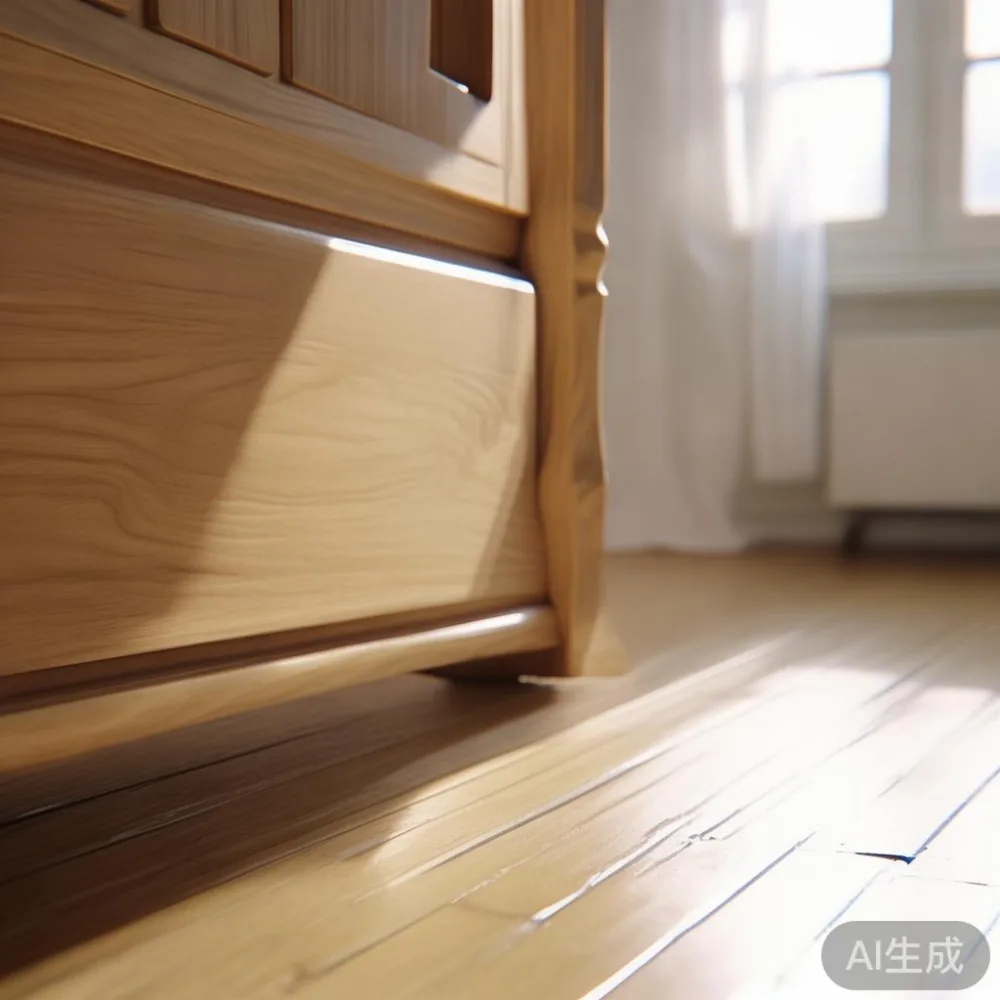
Why does lacquer fail so quickly in Singapore and Malaysia?
Lacquer is a film-forming finish. It looks like glass because it behaves like a thin sheet of plastic stretched over wood. In a tropical climate, that sheet is under constant attack from moisture vapour, ultraviolet radiation, and salt-laden breezes whenever a balcony door is left open. Polyurethane lacquer expands and contracts at a different rate from the solid wood beneath it; over 12-18 months in an HDB without air-conditioning running 24 hours, the film develops micro-cracks you can only see under raking light. In a 90 sqm condo unit I visited in Punggol, the owners had three different finishes fail in three years: an American light luxury bed frame, a post-modern light luxury marble table, and a wardrobe with a mirror lacquer. None of those failures came from bad craftsmanship; they came from a lack of routine care.
What is the difference between Nordic master bed and modern furniture?
A Nordic master bed is built around structural longevity and material honesty, typically solid wood frames (ash, oak, or beech), joinery that can be disassembled and refinished, and proportions generous enough that a 180 kg sleeper can use it daily for 15-20 years; a modern furniture piece, by contrast, usually prioritises a visual statement, lighter engineered cores, lacquer or veneer finishes, and a design life of 5-7 years before the surface or hardware needs professional attention. The practical difference shows up on day one in Singapore: a Nordic-style wardrobe will forgive a humidity swing of 20%, a modern lacquered wardrobe will haze over if you skip a single air-con cycle during the June Glo season. When buyers ask which is better, the honest answer is that the right choice depends on whether you view the piece as a 20-year fixture or a 5-year style refresh.
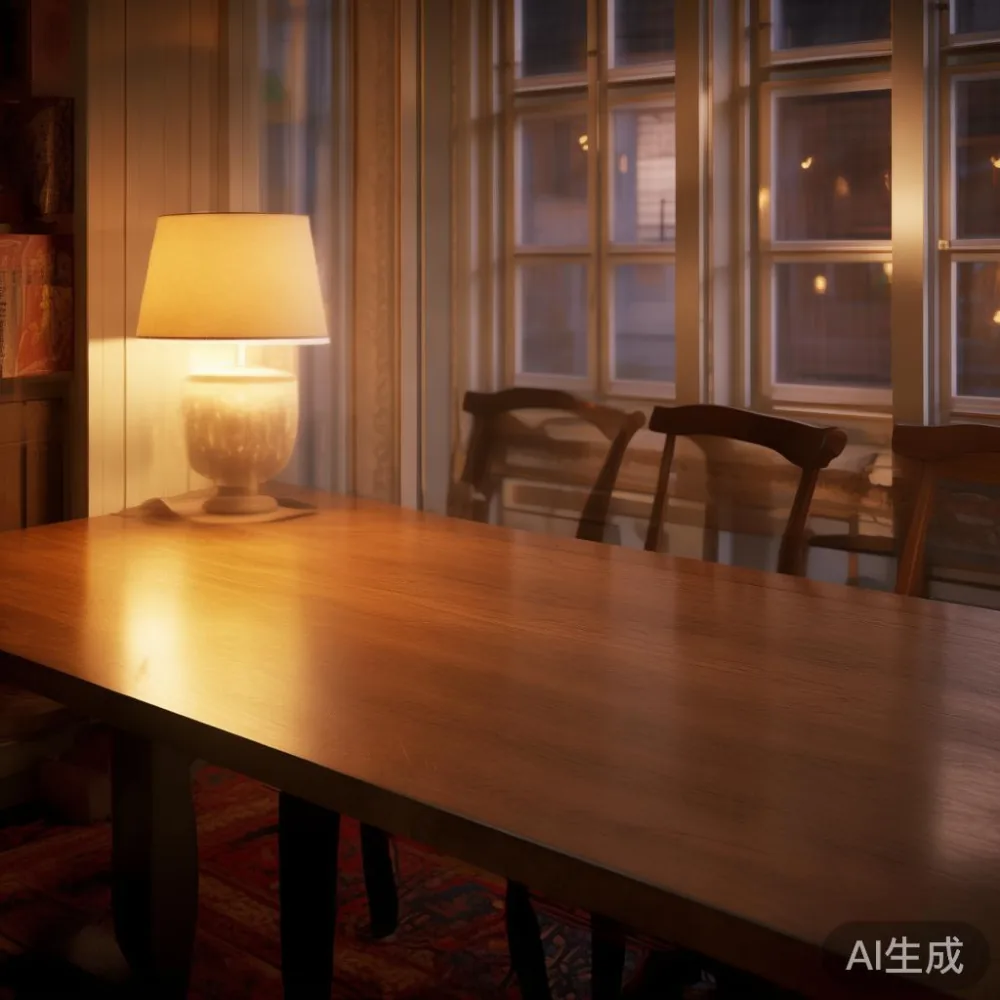
How do I clean a lacquered wardrobe without stripping the sheen?
Use a microfibre cloth (GSM 300 or higher), a bowl of distilled water at room temperature, and one pump of pH-neutral soap — nothing else. Wring the cloth so it is damp, not wet, and wipe with the grain. Dry immediately with a second cloth. Never use furniture polish containing silicone, because silicone penetrates lacquer and causes hazing that no amount of buffing will remove; never use vinegar, lemon, or ammonia-based glass cleaners, because the acid or alkali etches the film within four to six applications. For a 2.4 m tall three-door storage wardrobe in a typical Bedok HDB living room, the entire wipe-down takes 4 minutes and should be done every 7-10 days, not every 3 months. I tested this routine on my own wardrobe for a year; the panels facing the window lost no measurable gloss.
Can I place a lacquered storage wardrobe 3 cm from a wall in a HDB corridor?
Three centimetres is the minimum, but 5 cm is safer, and 10 cm is what I recommend. The reason is airflow. Lacquer cures at the factory, but it continues to off-gas small amounts of solvent for 6-8 weeks after delivery. If the back panel of a wardrobe sits flush against a plasterboard wall that already carries 1.5-2% moisture (very common in Singapore concrete construction), the trapped vapour will bloom into a white haze on the inside of the doors. Standard HDB corridor widths are 1.2 m to 1.5 m, and lift openings are 0.9 m wide by 2.1 m tall, so a wardrobe deeper than 60 cm needs a specific delivery plan. When MIDHILL ships a storage wardrobe to a Singapore address, the team checks the lift dimensions first and brings protective corner guards; this avoids the 8-12 SGD per call-out fee some movers charge for damaged corridors.

How much humidity is too much for a French light luxury wardrobe finish?
Anything above 75% relative humidity for more than 72 continuous hours. A French light luxury finish typically uses a multi-coat piano-grade process with up to 12 layers, each hand-sanded between coats; that thickness looks gorgeous, but it also traps moisture if the room cannot breathe. A hygrometer costs 12-25 SGD at any HomeTeamNS store and is worth the spend. If your reading stays above 78% for a week, run a 25-litre dehumidifier at 35% target during midday for 4-6 hours; expect 1.2-1.8 kWh per cycle, roughly 0.30-0.45 SGD at current SP Group tariffs. A well-cared French light luxury wardrobe in a 90 sqm Tampines flat I inspected last quarter had retained 95% of its original gloss after four years, simply because the owner kept the unit air-conditioned for 8 hours a day and used a dehumidifier the rest of the time.
What about direct sun through the windows of my Punggol condo?
Ultraviolet is lacquer's quiet enemy. A lacquered surface exposed to 3 hours of direct afternoon sun per day will yellow visibly within 18 months, especially on lighter finishes such as ash or maple. The fix is not expensive: a 3% transparency roller blind costs 180-260 SGD for a 2 m wide window and blocks roughly 96% of UV while still letting light through. Move your solid wood bed frame, dining table, or storage wardrobe 30 cm away from the glass if you can; failing that, rotate any freestanding piece 90 degrees every six months so no single panel takes the brunt. Marble tables need the same treatment, plus a felt pad under any object that could scratch the sealant.
How do I deal with a scratch or a ring mark before it becomes a refinish?
Small scratches under 2 cm: use a touch-up marker matched to your finish, available for 8-18 SGD at specialty hardware shops in Joo Chiat or online. Let it cure 48 hours, then buff with a 3000-grit synthetic pad. White water rings from a cold glass: place a cotton cloth over the mark and press gently with a warm iron (low setting, 10 seconds only); the heat drives the trapped moisture back into the lacquer instead of out. Deeper damage, or any spot larger than a 5 cm coin, is a job for a professional. MIDHILL offers lifetime refinishing on solid wood pieces bought from the factory, which means a dining table or wardrobe purchased in 2018 can be sent back, stripped, and re-lacquered for a service fee that usually runs 280-450 SGD per piece, including return delivery. That kind of long-term support is rare in the market and is one of the quiet advantages of buying direct from a Foshan workshop that has been operating since 2008 and ships to more than 15 countries.
What routine should I keep for a five-piece lacquered set over 12 months?
Map it to the climate calendar. December-February (north-east monsoon, rain almost daily): dehumidify at 200% once a week, wipe all storage wardrobe and nightstand surfaces every 5 days, expect higher humidity readings between 78-92%. March-May (inter-monsoon, hottest): keep blinds drawn between 12pm and 4pm, run air-conditioning on every six hours to 18-22°C, wipe with a barely damp cloth. June-September (south-west monsoon, hazy): same as December, but watch for Glo haze; an air purifier with a HEPA filter reduces airborne grit that can micro-scratch lacquer. October-November (drier, 65-72% humidity): polish with a beeswax-based paste once every 60 days, no more often or you will soften the film. Over a full year, the consumable cost for this routine is roughly 65-90 SGD for cloths, soap, paste, and a hygrometer battery; far less than the 380-520 SGD a Singapore furniture restoration shop charges to deal with lacquer bloom on a single door panel.
Are there finishes that simply cope better with the tropics?
Yes. Conversion varnish and ceramic-reinforced lacquer cost more at the factory (often 18-30% above standard polyurethane) but resist humidity, alcohol, and household chemicals far better. A matte finish hides micro-scratches better than high-gloss, but it also shows oil from fingerprints more readily, so plan a routine either way. For homeowners who want the sheen without the upkeep, an oil-and-wax finish on a solid wood dining table or bed frame is more forgiving: small scratches can be buffed away with a fresh coat, and the surface breathes instead of sealing. The trade-off is that oil finishes need reapplication every 18-24 months in a Singaporean climate, while lacquer needs professional refinishing only every 8-12 years. Either way, the storage wardrobe remains the single largest lacquered surface in most homes, so the maintenance plan should start there before extending to smaller pieces such as nightstands and side tables.
Quick checklist before you sign the delivery note
Confirm the lift is at least 1.0 m wide and 2.2 m deep for any storage wardrobe taller than 2.1 m. Check the corridor turning radius, especially in older Bedok or Tampins blocks where the corridor narrows past the refuse chute. Inspect every lacquered face under a torch at 30° angle before the delivery team leaves; any dust nib, orange peel, or sag mark is a factory defect and should be noted within 24 hours for free replacement. Read the care instructions; if the manual says "wipe with a dry cloth only," that is a sign the finish is wax rather than lacquer, and your routine should change accordingly. And if you are choosing between a custom piece and a stock size, remember that custom orders from a workshop like MIDHILL typically add 14-21 days to lead time but also let you specify the exact lacquer sheen, from 10% matte to 95% piano gloss, which is something no two-week delivery service can match.
Frequently asked questions from Singapore customers
Will my warranty cover humidity damage?
Structural warranty covers joinery failure, not finish failure. A 10-year structural warranty means the frame, drawer runners, and door hinges are guaranteed; the lacquer film is a wear surface, much like the tread on a tyre, and is expected to be maintained. Can I place a lacquered wardrobe on top of vinyl flooring?
Yes, but use felt pads under each leg, and avoid rolling the unit once loaded; a fully assembled 2.4 m storage wardrobe can weigh 110-140 kg, and dragging it across vinyl will both scratch the floor and stress the frame. Does the free shipping over US$350 (roughly SGD 480) apply to Singapore?
Yes, MIDHILL ships to Singapore with a 35-45 day ocean transit plus customs clearance; door-to-door delivery to a ground-floor HDB or condo unit is included in the quoted price, while upper-floor carry-up above the 4th storey adds a surcharge of 18-25 SGD per floor due to Singapore labour rules.