How to Choose the Right Size Storage Wardrobe for a Singapore HDB Living Room
Most HDB living rooms in Tampines, Bedok, and Punggol measure between 16 and 22 square metres once you subtract the corridor, the air-con ledge, and the structural column that always seems to land in the wrong spot. That leaves roughly 9 to 14 square metres of usable wall after you reserve space for the TV console, the sofa, and the walkway to the kitchen. I visited a 4-room flat in Simei last month with my colleague, and the homeowner had a 240 cm wide wardrobe blocking the window light — the room felt half its size. The fix was not a smaller TV. The fix was sizing the storage wardrobe to the wall, the doorway, and the lift it had to ride up in.
Why does wardrobe sizing matter more in HDB flats than in private condos?
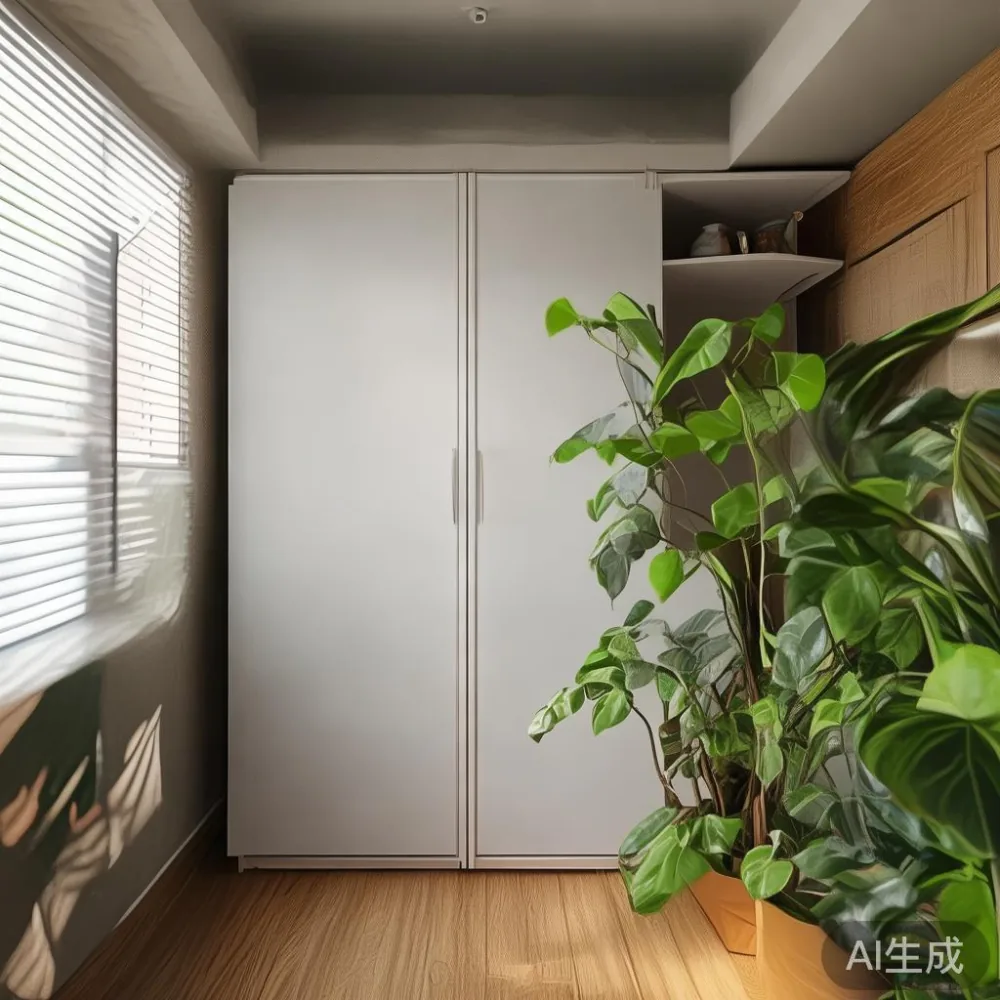
Wardrobe sizing in HDB flats is constrained by three measurements most condo owners never think about: the lift car interior, the corridor width on the floor, and the main door swing. A standard HDB passenger lift in a block built after 2008 measures roughly 1.6 m deep by 1.3 m wide with a door opening of about 0.9 m. A 3-door wardrobe at 270 cm wide will not enter that lift upright — it has to be tilted, and that means the tallest panel must be under 1.6 m. Corridor widths in older blocks like those in Bedok Reservoir can drop to 1.2 m on corners, which rules out any wardrobe deeper than 60 cm if it arrives fully assembled.
Condos such as those along Punggol Way usually have a service lift measuring 2.1 m by 1.5 m with a 1.2 m door, which is much more forgiving. The honest answer is that HDB buyers should plan the wardrobe around the lift before they plan it around the room. MIDHILL confirms the panel dimensions with the delivery crew before dispatch because a wardrobe that fits your wall but not your lift is a wardrobe you cannot own.
What is the right wardrobe width for a 4-room HDB living room?
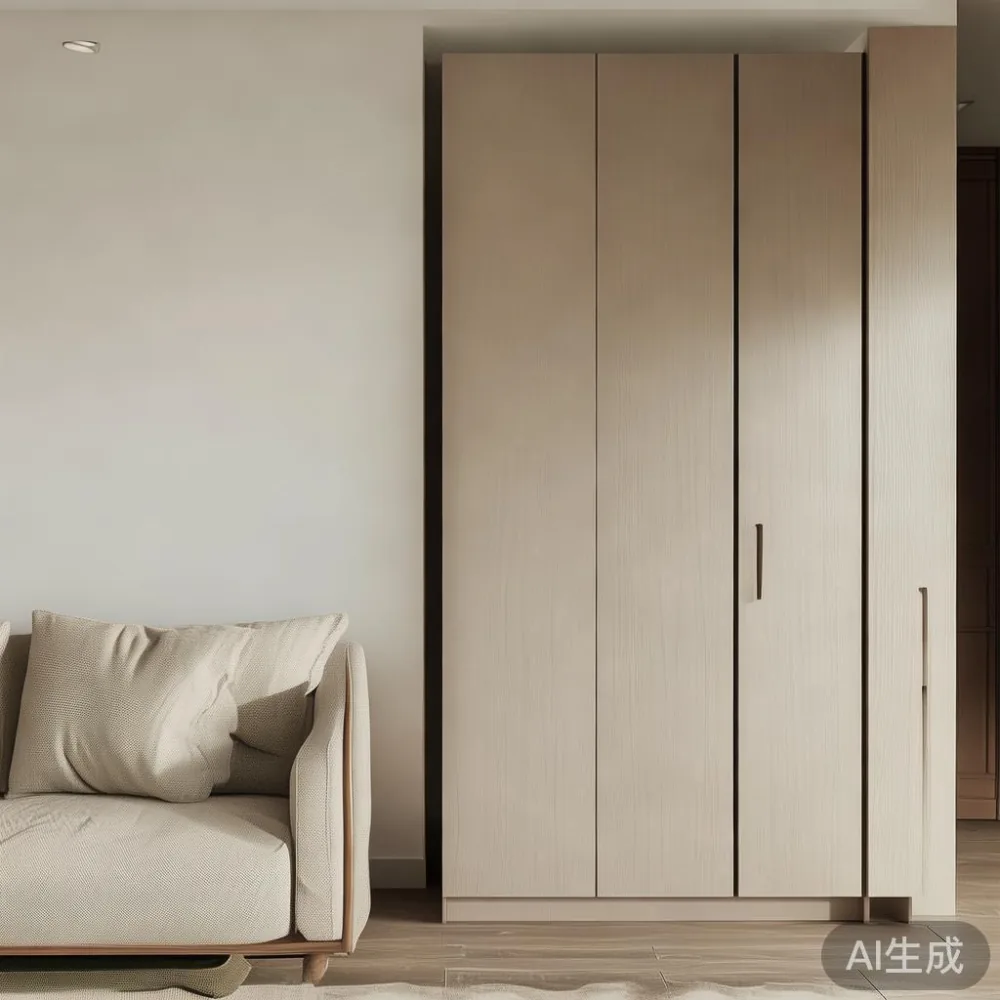
The right wardrobe width for a 4-room HDB living room is between 180 cm and 240 cm if the unit sits along the longest wall and between 120 cm and 160 cm if it tucks into a side wall next to the sliding door to the kitchen. Anything wider than 240 cm will dominate a 16 sqm room and block the natural light path from the window or the balcony. Anything narrower than 120 cm usually gives you only two storage compartments, which defeats the point of a storage wardrobe in the living room.
Measure the wall from the inside edge of the door frame to the corner or window frame, then subtract 4 cm for installation tolerance. If the result sits between 180 cm and 240 cm, you are in the sweet spot for a three-door configuration with one long hanging section, two adjustable shelves, and three drawers. If the result sits between 120 cm and 160 cm, choose a two-door configuration with a single hanging rail and four shelves. Heights of 200 cm to 220 cm work for most HDB ceiling heights of 2.4 m to 2.6 m, leaving a 20 cm to 40 cm gap above for a shallow top shelf used for suitcases or out-of-season bedding.
How deep should a wardrobe be in a small Singapore living room?
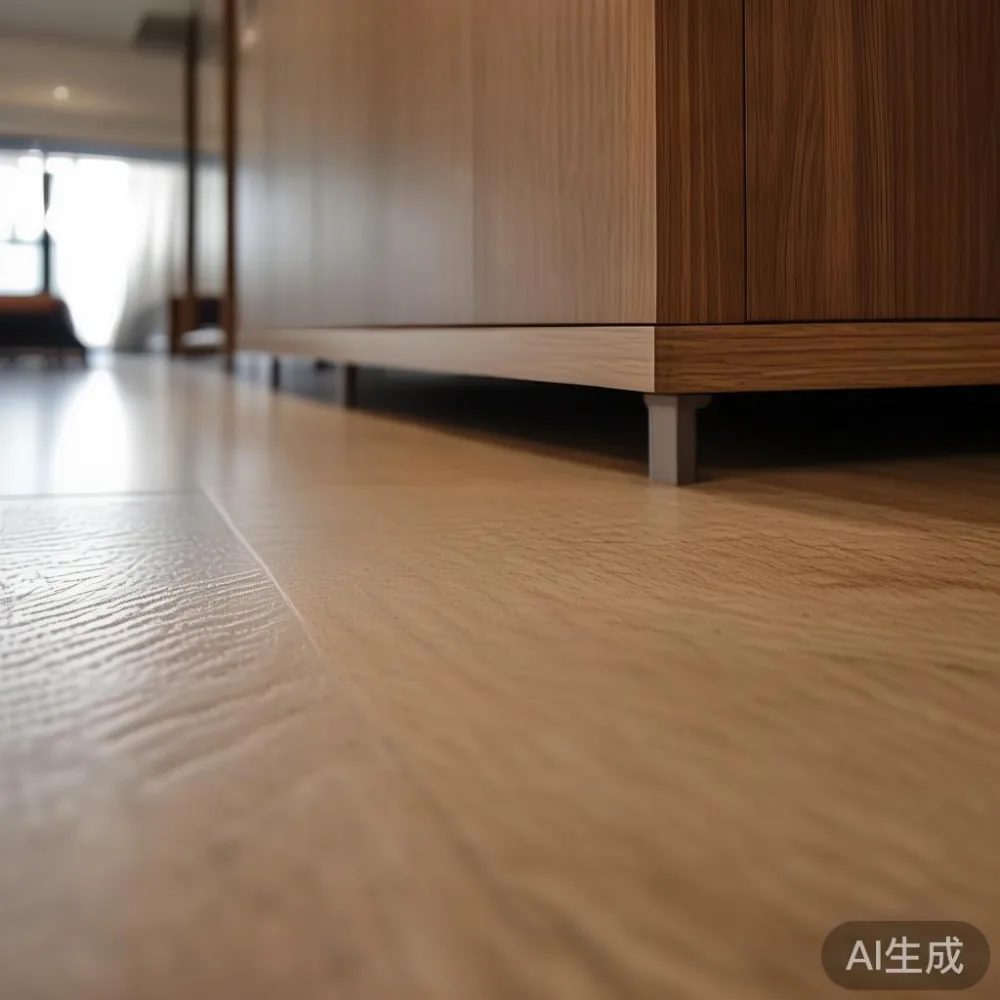
A wardrobe in a small Singapore living room should be 55 cm to 60 cm deep, never deeper. A 65 cm wardrobe looks harmless on a product page but eats 65 cm of floor space and forces the walkway to the dining table to compress below 70 cm, which is uncomfortable for two adults passing each other. The internal hanging depth of 53 cm to 58 cm is what actually matters because clothes on standard hangers need at least 50 cm of clearance to swing without creasing at the shoulder.
For a storage wardrobe that doubles as a display piece in a post-modern light luxury interior, 55 cm is the cleaner choice. Shallower wardrobes under 50 cm force you to install a pull-out hanging rod, which adds SGD 220 to SGD 380 to the bill and one more moving part to maintain. Stick to the 55 cm to 60 cm range unless your architect has carved out a 65 cm alcove for you.
How do I style a French provincial accent chair in a small apartment?
Pair one French provincial accent chair — carved solid wood frame, linen-blend upholstery in oatmeal or sage, cabriole legs — with a slim marble table no wider than 60 cm and a low-profile solid wood sofa in a neutral weave to keep the room from looking like a period set. The chair should sit at 45 degrees to the wardrobe so it visually breaks up the rectangular mass of the storage furniture behind it without competing for wall space.
Keep the chair within 1.5 m of the nearest lamp so the reading light reaches the seat at night, and choose a chair under 70 cm wide so the walkway behind it stays above 65 cm. In a 4-room HDB, that single chair plus a 55 cm deep wardrobe and a 220 cm three-seat sofa is enough furniture for a living room that feels curated instead of crowded.
Which materials hold up in Singapore humidity for a wardrobe?
American rubberwood and Malaysian oak are the two solid wood choices that hold up in Singapore humidity, and they explain the American light luxury look that has spread across Tampines and Punggol showrooms over the last three years. American rubberwood has a Janka hardness rating of about 980 lbf, takes stain evenly, and resists the warping that plagues untreated pine in a 32°C, 85% humidity afternoon. A wardrobe built with rubberwood frames and engineered wood back panels will weigh between 95 kg and 130 kg for a three-door unit, which is manageable for two delivery men with a trolley but heavy enough that you should never try to move it solo.
Ask the supplier directly about American rubberwood assembly difficulty before you commit. A well-engineered rubberwood wardrobe uses cam-lock dowels and pre-drilled panels so two adults can complete the assembly in 90 to 150 minutes with a single Allen key and a rubber mallet. A poorly engineered one uses staples and glue that fail within six months of humidity cycles. MIDHILL ships every storage wardrobe with a printed manual, a parts checklist, and a video QR code so the assembly steps are visible before you open the first carton.
What about wardrobe doors, mirrors, and GST in 2025?
Wardrobe doors in Singapore HDB living rooms are usually sliding rather than hinged because sliding doors need only 5 cm of clearance per side, while hinged doors need 55 cm to 60 cm to swing open fully. A mirrored sliding door adds SGD 180 to SGD 260 to the wardrobe price but replaces the need for a separate floor mirror and makes a narrow HDB living room feel 30% wider visually. Frosted glass sliding doors run SGD 320 to SGD 480 extra and work well for households with young children.
All prices quoted by Singapore furniture retailers in 2025 are inclusive of the 9% GST, so a wardrobe advertised at SGD 2,480 is SGD 2,480 final — no surprise 9% added at checkout. Confirm the GST line on the invoice before you pay, and ask whether the delivery fee includes the lift surcharge that some movers charge above the third floor. A typical delivery to a HDB block in Bedok or Tampines runs SGD 60 to SGD 120, with an extra SGD 15 per floor above the fourth if the service lift is unavailable. Most suppliers, MIDHILL included, waive the delivery fee above SGD 1,200, which makes a complete bedroom set — solid wood bed frame, two nightstands, and a storage wardrobe — easier to justify as a single order than as three separate purchases.
How much wardrobe weight can an HDB floor handle?
An HDB floor can handle between 150 kg and 250 kg of dead load per square metre in the living room, which means a 130 kg wardrobe standing on a 1.2 m by 0.6 m footprint exerts about 180 kg per square metre — well within tolerance. The real risk is not the wardrobe itself but a water spill that goes unnoticed for hours under the base. Lift the wardrobe on rubber coasters weighing 80 g each and check them every three months. A solid wood dining table or marble table in the same room adds another 60 kg to 90 kg, so plan the furniture layout so the heavier pieces sit along the load-bearing wall rather than in the centre of the slab.
What is a realistic lead time for a custom-sized wardrobe in Singapore?
A realistic lead time for a custom-sized storage wardrobe in Singapore is 28 to 45 days from order confirmation, depending on whether the factory is in Foshan or Johor. Foshan workshops typically quote 35 to 45 days including sea freight to Singapore port and 7 to 10 days for last-mile delivery and assembly. Johor workshops quote 21 to 30 days but charge SGD 200 to SGD 400 more for the same rubberwood specification. Standard sizes from a Foshan maker usually ship in 14 to 21 days because the panels are pre-cut and waiting for finishing.
Allow an extra five days during the Chinese New Year window (late January to mid-February) when most Foshan factories close for two weeks, and avoid the September peak when Singapore retailers stock up for the November sale events. A 10-year structural warranty on the wardrobe frame should be non-negotiable, and a lifetime refinishing clause is the difference between a wardrobe you live with for 12 years and one you replace after 6.
What should I measure before I order a wardrobe online?
Before you order a wardrobe online, measure the wall width at three points (left, centre, right), the ceiling height at two points, the door swing radius, and the lift car interior. Write each number on the order form in centimetres and take a photo of the tape measure held against the wall. Send the photo to the supplier so they can confirm the wardrobe will fit before production begins. A supplier that asks for these five measurements before taking payment is a supplier that has actually delivered to HDB blocks before; a supplier that does not ask is guessing.
Also measure the corridor bend on the floor where the wardrobe will travel from the lift to your door. A 90-degree bend in a 1.3 m wide corridor needs a wardrobe no longer than 2.3 m on its longest side, even when tilted. If your corridor bends twice, the maximum length drops to 1.9 m. These are the numbers that decide whether your storage wardrobe arrives in one piece or in three cartons that you assemble in your living room at 10 pm on a Wednesday.
Final checklist before you commit to a wardrobe order
Run through this short list before you send payment: the wardrobe width is 4 cm less than your measured wall width; the wardrobe depth is 55 cm to 60 cm; the tallest panel is under 1.6 m if you live above the fourth floor in an older HDB block; the material is solid rubberwood or solid oak rather than particleboard with a wood-look laminate; the quoted price includes 9% GST, delivery, and assembly; the warranty covers the frame for at least 10 years; and the supplier offers refinishing for life so the surface can be sanded and re-oiled every 7 to 10 years.
A storage wardrobe that clears this checklist will outlast two sofa replacements, three dining table upgrades, and at least one set of nightstands. The single decision that shapes the rest of the living room furniture is the one you make before you ever open a wardrobe door — the size.