How Southeast Asian Humidity Affects Solid Wood Storage Wardrobes
Singapore’s warm, humid climate can change solid wood in ways that are easy to miss inside an air-conditioned HDB flat. Doors may swell slightly, drawer runners may feel tighter, and a wardrobe finish can lose its crisp appearance. These are normal responses of timber to moisture, not automatic signs of poor furniture making.
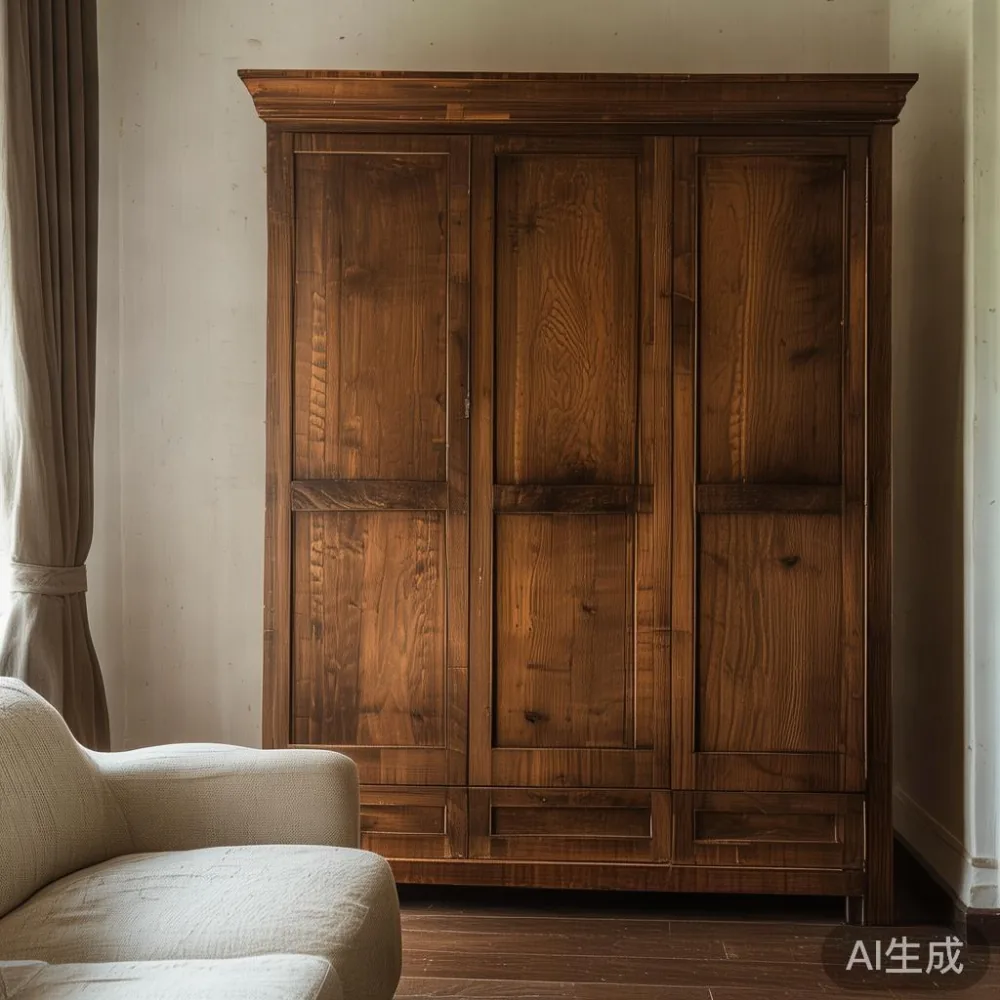
This guide explains how humidity affects a storage wardrobe in Tampines, Bedok, Punggol, and other Singapore homes. It also covers practical measurements, maintenance routines, material choices, and delivery considerations for solid wood furniture. MIDHILL designs and manufactures storage wardrobe collections in Foshan, with a 10-year structural warranty and lifetime refinishing service.
Humidity is rarely the same from one hour to the next. A corridor beside a west-facing window can experience a different moisture pattern from an air-conditioned bedroom, while a new condo may have better insulation than an older HDB block. The useful approach is not to promise that wood never moves, but to build and care for furniture so that small dimensional changes remain controlled.
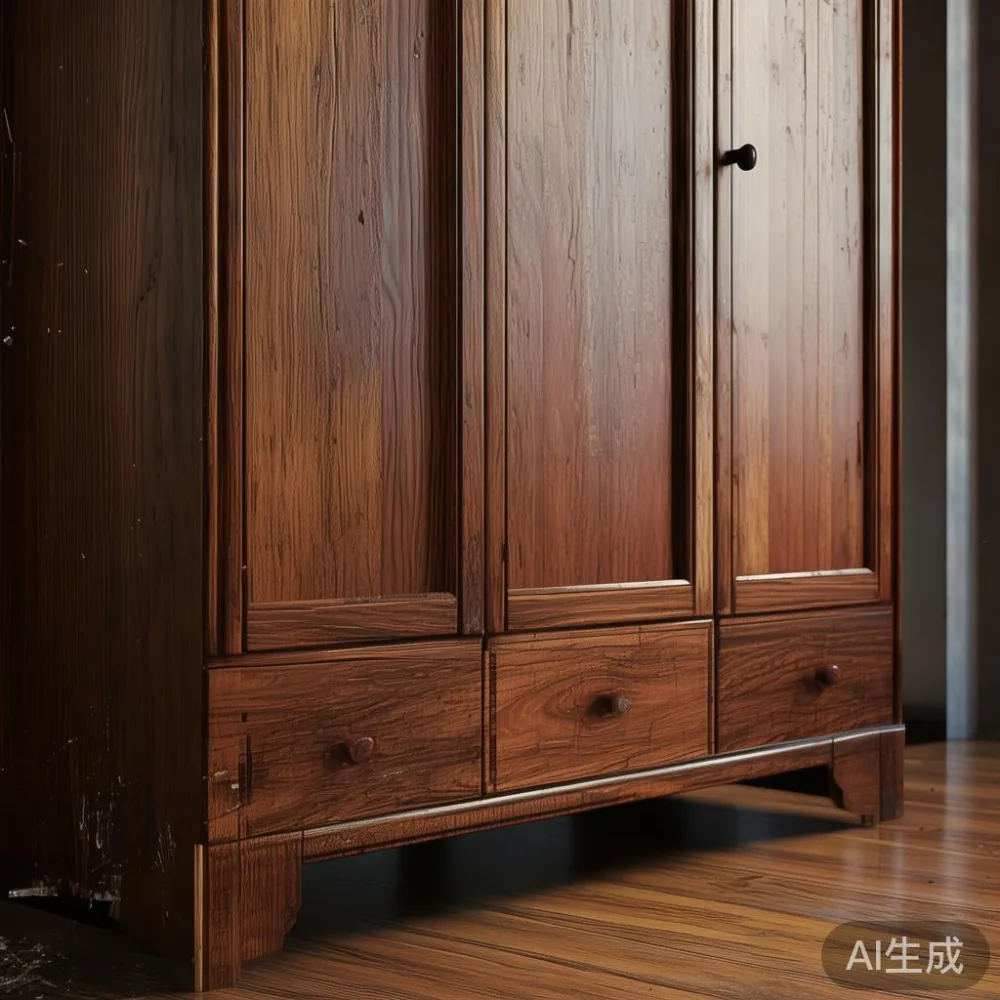
What humidity does to solid wood?
Wood is hygroscopic: it absorbs moisture when the surrounding air is humid and releases it when the air becomes drier. In Singapore, outdoor relative humidity can rise above 80% during periods of heavy rain and fall below 50% on dry afternoons, especially where air conditioning is working hard.
For solid hardwood used in furniture, a common service target is a moisture content of roughly 8% to 12% for indoor use. This is not a guarantee for every species or every room. Teak, ash, oak, and other species behave differently, while veneered panels and engineered boards can respond in different ways because of their construction.
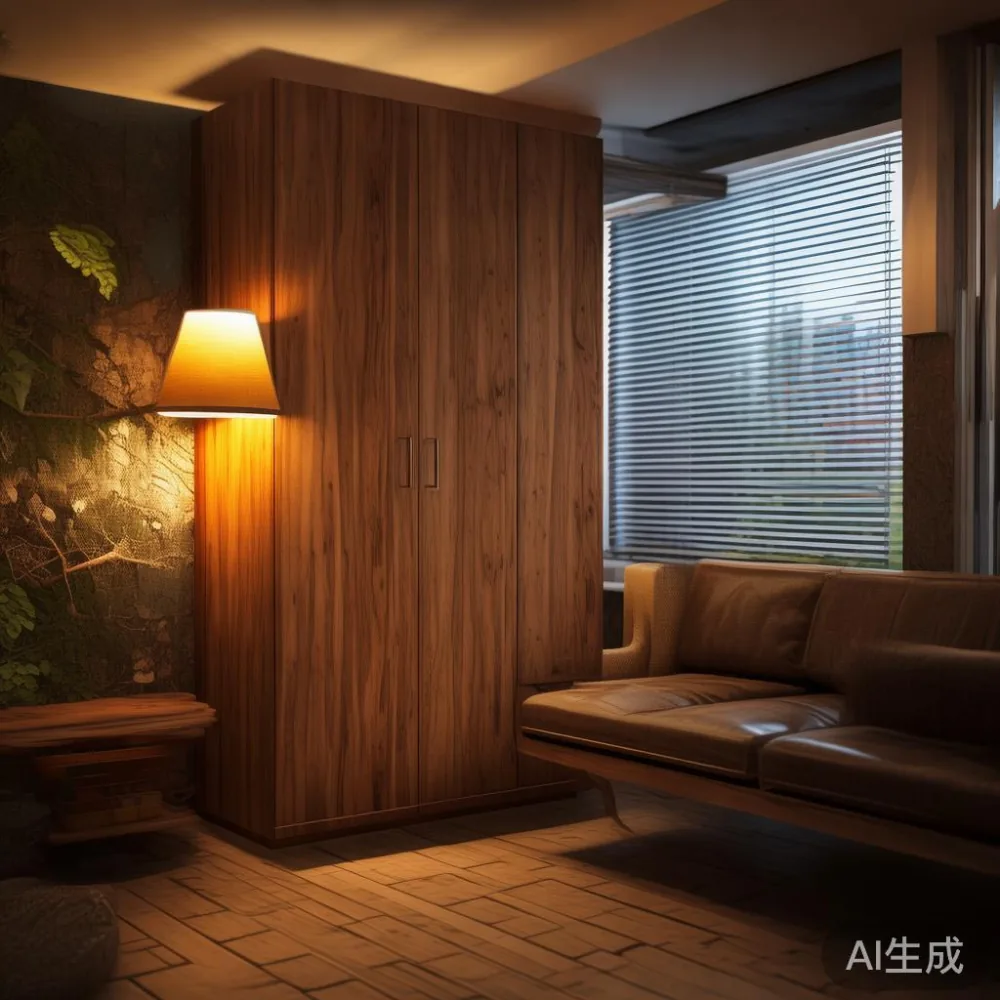
When a solid wood storage wardrobe takes in moisture, the grain can swell across its width. Movement of approximately 1 to 3 mm across a door or drawer front may be noticeable in a finely fitted installation. A change of 0.5 to 1 mm is often manageable. Larger movement, persistent gaps, or a repeatedly warped door deserve investigation rather than casual sanding.
Humidity also affects the finish. A water-based coating may become slightly softer under high moisture, while oil and wax finishes can look dry or patchy when the air is very dry. Gloss and satin surfaces show fingerprints and fine surface changes more clearly than matte surfaces. None of this means that a protected solid wood bed frame, dining table, nightstand, or marble table will fail from one humid week.
How much humidity should a Singapore bedroom have?
A sensible indoor target is around 40% to 60% relative humidity, with a stable room temperature of about 22°C to 27°C. Short fluctuations are normal; repeated swings are more troublesome because wood must repeatedly expand and contract.
Place a calibrated hygrometer at wardrobe height rather than near a bathroom, kitchen, open window, or air-conditioning vent. Take readings at the same time each morning and evening for 7 days. A daily difference above 10 percentage points suggests that airflow, temperature, or moisture control could be improved. A reading above 65% for several days calls for closer attention to ventilation and finish care.
Air conditioning often lowers humidity as it cools and dehumidifies the room, but the effect varies. Do not aim a cold air vent directly at the wardrobe for 18 hours a day. Leave about 30 cm of clearance above a tall unit where possible, and keep at least 10 cm behind it for inspection and airflow. If the storage wardrobe is installed against a wall exposed to rain, check the wall and skirting for dampness before blaming the furniture.
Singapore’s lift and corridor dimensions deserve attention too. A standard HDB lift interior may offer roughly 1.0 m by 1.3 m, though older blocks and newer accessible lifts differ. A fully assembled two-door storage wardrobe measuring 180 cm wide by 60 cm deep may fit diagonally, but the turning space at the landing matters. Flat-pack or knock-down delivery can make entry to corridors and HDB flats easier, and assembly can happen inside the bedroom.
Which timber and construction details help in humid conditions?
For Singapore interiors, solid teak and moisture-stable hardwoods are practical choices because they tolerate seasonal movement well. Ask the supplier how each storage wardrobe was dried, whether the timber was kiln-dried, and what range of moisture content was approved for the finished piece. A credible supplier should be comfortable discussing wood species, joinery, coatings, and tolerances rather than offering only a broad claim of quality.
Look for doors that use a floating centre panel or a stable frame-and-panel arrangement. An all-wood slab can move more visibly, especially if it is fitted with zero tolerance in a frequently opened room. Dovetail drawer joints, solid corner blocks, and solid drawer bottoms remain useful under changing humidity. Metal runners with sealed bearings are generally easier to adjust than friction-mounted wooden runners.
Finish also matters. A good indoor coating system typically includes several preparation and sealing layers, with an additional top layer for wear. It should protect the wood without creating a completely impermeable surface that traps moisture. Water-based finishes are common because they dry with relatively low odour, but correct application and curing remain necessary.
French light luxury is often associated with pale, calm interiors and carefully proportioned furniture. That style suits Singapore’s desire for visual lightness, but the timber species and finish still need to suit the climate. If you are comparing design references, a top 10 French provincial furniture list can help you identify carved edges, curved profiles, and warm timber tones. For coastal homes near East Coast or marine promenades, reviewing top 10 Coastal furniture ideas may reveal light colours and relaxed forms, although “coastal” appearance does not make timber moisture-proof.
Can a storage wardrobe be installed safely in an HDB flat or condo?
Yes, provided the unit is measured correctly and installed with room for natural movement. Measure the finished wall at floor level, waist height, and near the top. Use the smallest width and note any unevenness. Check skirting boards, electrical sockets, window ledges, and the position of the bedroom door. A wall recess of 8 to 12 mm may help prevent binding, subject to the construction and hardware specified by the manufacturer.
For an HDB flat in Tampines or Bedok, confirm the lift opening and landing depth before ordering. A storage wardrobe with individual panels below 90 cm wide can be easier to carry through a corridor than a rigid 200 cm carcass. For a Punggol condo, review the service lift booking rules, protective floor covering requirements, and whether the loading bay allows a tail-lift. These details can affect the delivery charge even when the furniture itself fits.
Anchor tall units safely. Depending on local conditions and the unit’s construction, an anti-tip restraint can reduce the risk of a wardrobe tipping in an active household. Keep heavy items on lower shelves and avoid placing storage boxes above head height in children’s rooms. A light luxury for small living room approach can use one well-proportioned storage wardrobe as a visual anchor rather than several bulky cabinets competing for space.
How to style light luxury bed in apartment searches often produce images of upholstered beds placed in open rooms, yet the practical clearance around the bed still matters. Leave about 60 cm beside a main bed and keep the nightstand area free of trapped moisture. A solid wood bed frame and a solid wood sofa can share timber tones with the wardrobe, creating a calm material palette without making the room feel heavy.
What care routine protects a storage wardrobe?
Inspect the exterior every 3 months and the interior every 6 to 12 months. Look for mould, peeling finish, swollen drawer fronts, and musty odours. Wipe surfaces with a soft, slightly damp cloth, then dry them with a clean cloth. Avoid pouring water into joints, using abrasive pads, or spraying cleaner directly onto timber.
For an oiled or wax-finished unit, apply a small amount of approved maintenance product and wipe off the excess. Test an inconspicuous area first and wait at least 24 hours before judging the result. For lacquered or water-based finishes, use a pH-neutral cleaner suitable for coated wood. Never use household bleach, ammonia, or undiluted vinegar. The aim is to clean lightly and regularly rather than repair a neglected surface all at once.
Keep indoor humidity in the 40% to 60% range where practical. Run the air conditioner or dehumidifier when readings stay above 65%. Opening a window for 15 to 30 minutes after showering can help if outside humidity is lower and rain is not entering. During very dry periods, avoid placing the wardrobe immediately beside a heating vent or under an intense downlight.
Inside the storage wardrobe, leave space around clothes and folded linens. A gap of about 5 cm between the door and the nearest hanging garments reduces the risk of musty smells and allows inspection. Use sealed containers for dust and damp-prone items, and remove them periodically for air circulation. Cedar blocks or drawer sachets may be pleasant, but they do not replace moisture control.
How do finishes and materials affect visible humidity symptoms?
Oak can show grain and movement clearly because of its open appearance. Teak usually has a more stable movement pattern and suits bathrooms or coastal settings. Ash is lighter in colour and can work in a post-modern light luxury interior, while walnut offers deeper contrast for American light luxury styling. Similar species can vary, so ask for details about the actual batch rather than relying only on the label.
A marble table or marble-topped nightstand is not affected by wood movement in the same way, although stone slabs still require careful handling. Solid wood dining table surfaces may show rings, marks, and minor seasonal movement. Use a stable underlay beneath heavy table settings and do not repeatedly slide hot cookware across the timber. A dining table is better protected with coasters and trivets than with an unnecessarily thick finish.
For bedroom furniture, coordinate the storage wardrobe with a solid wood bed frame and a matching nightstand. A Modern light luxury dressing table can add a slim writing surface, but its drawer should have an easy adjustment mechanism because small drawers are sensitive to seasonal movement. If the dressing table shares the same timber and finish, minor differences in colour can still occur between batches; this is normal for natural wood.
When shopping for Rustic for dining room ideas, pay more attention to finish durability than to exaggerated knots or rough edges. A rustic solid wood dining table in a humid apartment should still have sealed joints, smooth working surfaces, and a finish that can be maintained. Open grain is attractive, yet it should not be confused with unfinished timber.
What should I ask before buying furniture in Singapore?
Ask the supplier six direct questions: What is the timber species? What indoor moisture range was used during manufacturing? How are panels and drawers joined? Which coating is applied? What are the installation clearances? Who handles damage or refinishing after delivery?
MIDHILL was established in 2008 and exports to more than 15 countries. Its 10-year structural warranty gives buyers a defined answer about joinery and structural integrity, while lifetime refinishing supports long-term surface care. The company also offers delivery above US$350 and 14-day returns, although customers should confirm how these terms apply to a made-to-order storage wardrobe, custom dimensions, and final-mile delivery in Singapore.
Prices should be compared on the same specification. A storage wardrobe quoted at SGD 1,280 may use solid timber, drawers, adjustable hardware, and a protective finish, while SGD 680 may describe a different material and finish package. Ask for a written breakdown, delivery days, and the dimensions of each panel. GST should be shown clearly on the invoice; as of the current 1% GST rate in Singapore, a taxable SGD 2,000 item adds SGD 20, for example, although the rate and treatment should be confirmed at purchase.
Delivery commonly takes 30 to 60 days for a made-to-order Singapore order, with the exact production and freight schedule stated in writing. Stock availability may shorten the period. A retailer promising 7-day delivery may be using stocked components rather than fully custom solid wood furniture.
Can humidity-related movement be considered a defect?
Minor seasonal movement is not the same as defective construction. A well-made storage wardrobe can accommodate small changes without splitting, loosening joints, or collapsing. A structural problem is different: it may include a cracked load-bearing joint, a drawer base that has failed, or hardware that repeatedly pulls away from the timber.
Document any issue with photographs, measurements, and dates. Record the room’s humidity at the same time and note whether the problem occurs during wet or dry periods. If a door remains difficult to adjust after the climate stabilises, contact the supplier. Do not plane or resand a finished door yourself, because that can damage the coating and make professional refinishing more difficult.
As a practical example, my colleague in Singapore installed a solid teak storage wardrobe measuring 182 cm wide, 58 cm deep, and 210 cm high in a Bedok HDB bedroom last month. A hygrometer placed near the right side recorded 68% after a rainy afternoon, while the room near the window reached 74%. She left 10 mm at the rear, kept a 25 cm gap above the unit, and ran the bedroom dehumidifier until the reading settled near 55%. After 3 weeks, the right door had closed normally, and a 1 mm seasonal difference at the edge disappeared as humidity fell.
That example is not a promise for every flat. It shows why measurements and controlled airflow matter. Singapore’s climate can challenge timber, yet stable humidity, appropriate construction, sensible spacing, and regular care will protect a storage wardrobe for many years of use.