How Southeast Asian Humidity Affects Solid Wood Storage Wardrobes
Singapore’s warm, humid climate can be demanding on solid wood furniture. Outdoor relative humidity often reaches 75–90%, while air-conditioned interiors may sit near 50–60%. Those changes cause timber to absorb moisture, swell, and contract, especially inside a storage wardrobe with tightly packed clothes. For homeowners in HDB flats and condos in Tampines, Bedok, Punggol, and other districts, stable indoor humidity matters just as much as careful furniture selection.
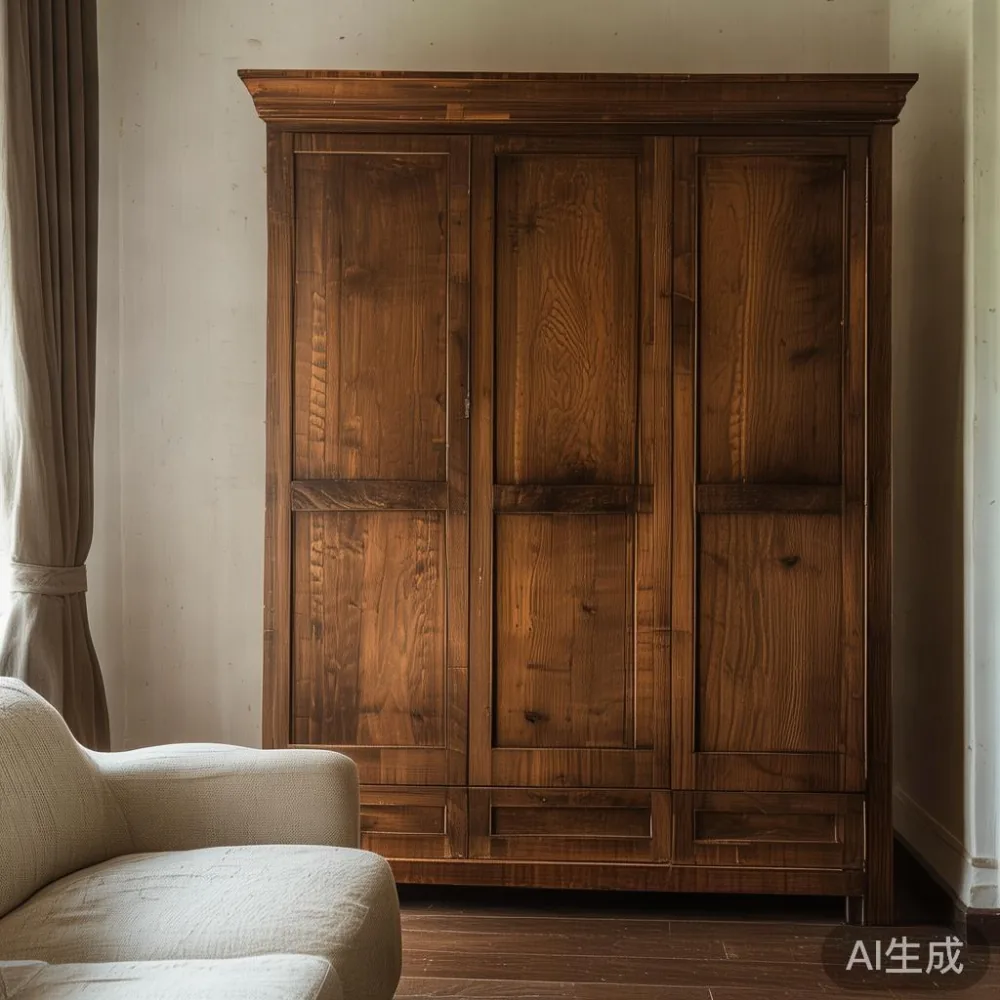
This guide explains how humidity affects wood storage wardrobes, why lift and corridor dimensions matter during delivery, and how to protect furniture for years. It also considers light-luxury design, maintenance, and the practical differences between solid wood and engineered alternatives.
What relative humidity does to solid wood?
Wood is hygroscopic: its moisture content changes in response to the surrounding air. A storage wardrobe built from solid timber may gain moisture during a humid afternoon and lose it after air conditioning runs overnight. Repeated cycles can make doors catch, drawer fronts bow, joints loosen, or veneer lift from cabinet panels.
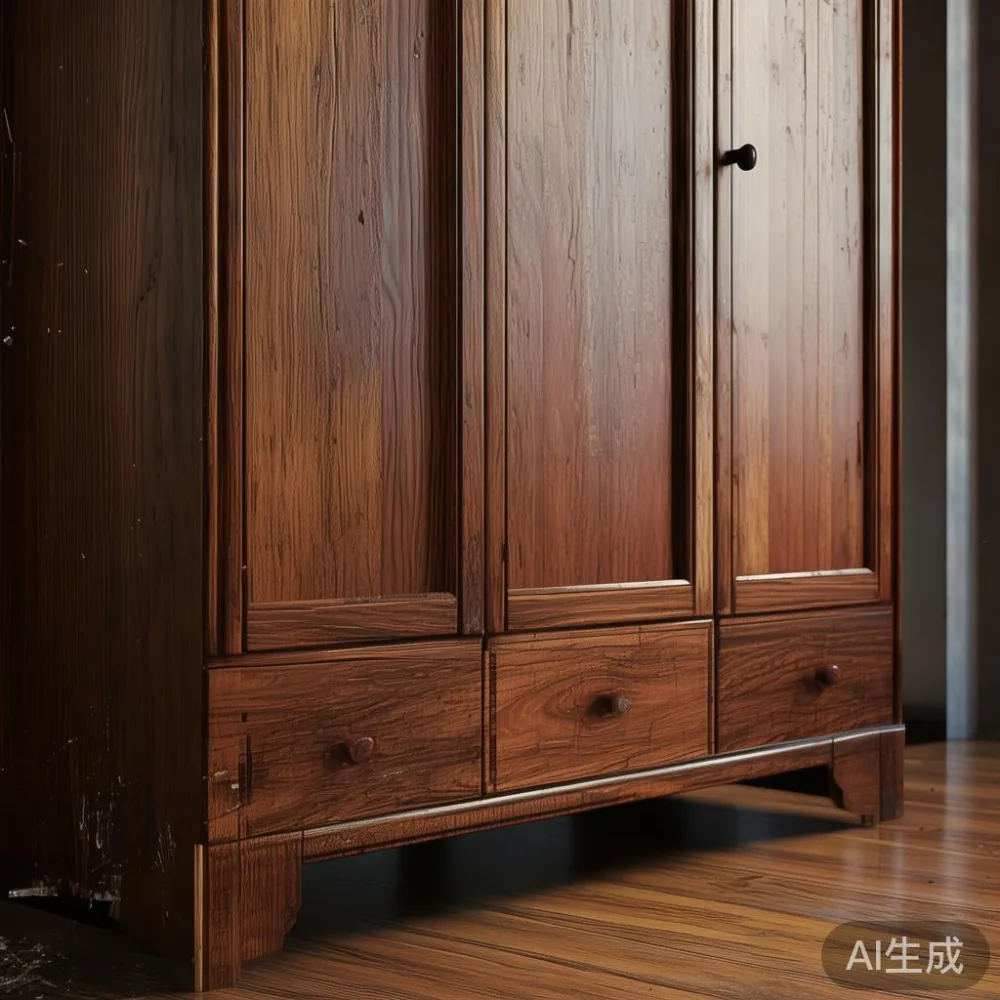
The target for most indoor wooden furniture is approximately 40–60% relative humidity, with a room temperature around 22–26°C. Short fluctuations are normal, but repeated movement can create long-term stress. In Singapore, direct coastal exposure, an enclosed balcony, a room without cross-ventilation, and clothes packed tightly against cabinet walls can all increase the risk.
Humidity does not automatically mean a wardrobe will fail. The outcome depends on the timber species, board thickness, joinery, finish, installation quality, and maintenance routine. A well-made solid wood storage wardrobe with stable joinery and a suitable protective finish can perform well when its environment is managed.
Why Singapore HDB flats and condos need extra planning?
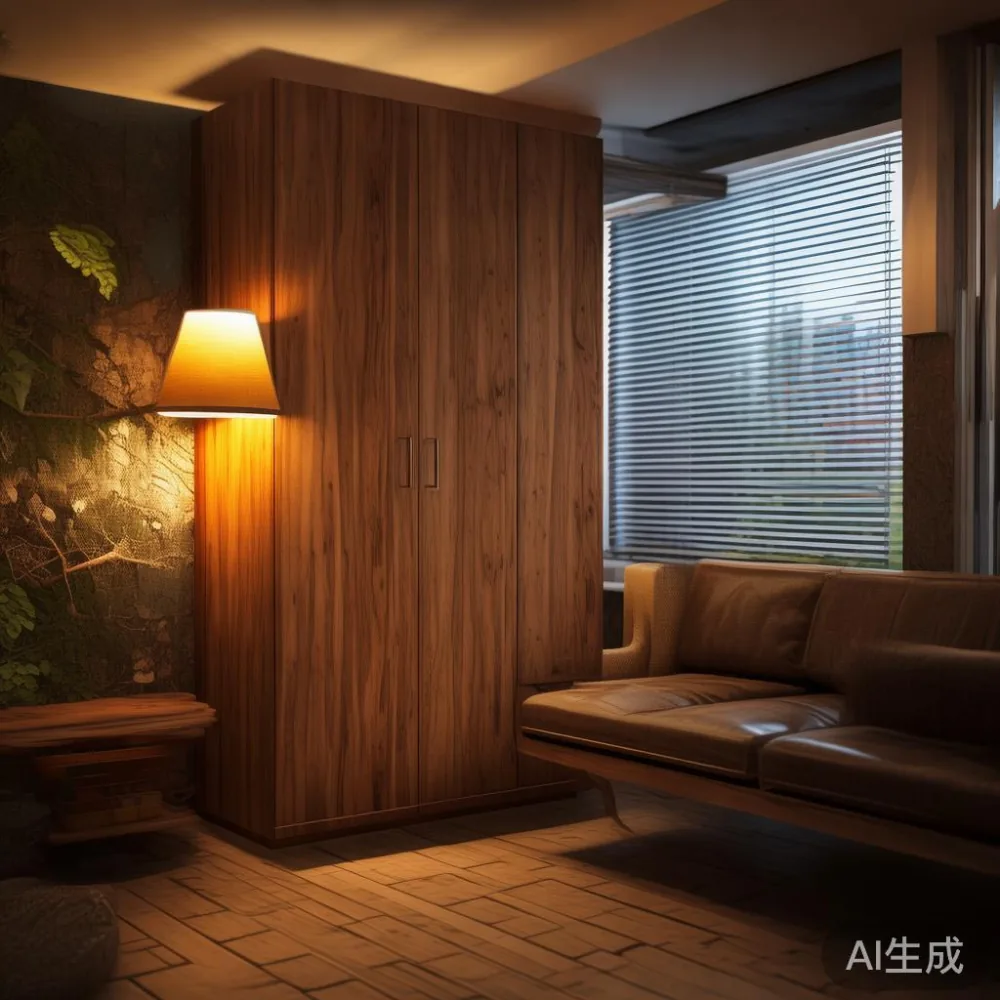
HDB interiors are often efficient in space, so a wardrobe may sit close to a bathroom wall, laundry area, balcony, or kitchen exhaust. Even when the room feels comfortable, local humidity can be higher than expected. Condo units may have larger windows and stronger air conditioning, but frequent temperature swings can still affect timber.
Measure the installation opening before ordering. A standard HDB bedroom doorway might provide about 80–90 cm of clear width, although older blocks vary. A lift car may measure roughly 100–110 cm wide internally, with a door opening of about 90 cm. A large wardrobe must sometimes be delivered in panels and assembled inside the bedroom rather than carried in as one piece.
Measure corridors, turning radii, skirting boards, and the final wardrobe position. Allow at least 5 cm of space behind a tall cabinet for airflow where practical. For a sliding-door design, check that the panels can travel without hitting a wall or ceiling fan. Clear measurements prevent damaged doors, scratched walls, and an extra delivery attempt.
Singapore’s GST may be included in some displayed prices, but it is worth confirming the final amount on an invoice. A wardrobe priced at SGD 2,400 before GST becomes SGD 2,448 at the current 2% rate. Delivery, lifting upstairs, and installation should be stated separately rather than hidden later.
Which woods and finishes handle humidity better?
No wood is completely immune to moisture. Dense hardwoods such as teak, oak, ash, and walnut can offer useful stability, but their performance still depends on seasoning, machining, and protective finishing. In Southeast Asian homes, teak is often appreciated for its natural resistance to moisture, while oak and walnut are selected for their grain and colour. The species alone does not replace sensible humidity control.
Ask the supplier about moisture conditioning and the finish system. A lacquer, oil-wax, or water-based coating can protect the surface, but edges, end grain, and untreated contact points may need attention. Re-coating schedules vary by finish and exposure; a wardrobe in a dry, air-conditioned bedroom may need inspection every 12 months, while one beside an enclosed balcony may require checking every 6 months.
For buyers comparing products, a solid wood sofa, bed frame, or dining table should be evaluated on the whole construction, not only the timber name. Look for durable drawer runners, even gaps, smooth joints, and a finish applied to all exposed faces. The same principle applies to a nightstand or marble table: materials can complement a wardrobe, but each needs the correct care instructions.
Light-luxury design is popular in Singapore interiors, including French light luxury, American light luxury, and post-modern light luxury. These styles often combine pale woods, restrained handles, clean profiles, and carefully spaced storage. A French provincial dining table may bring warmth to a dining area, but humidity protection remains the same. A French sofa or Modern sofa should not be stored against damp exterior walls without sensible spacing.
How do I choose French sofa and other furniture that suits humid rooms?
For upholstered pieces, compare frame material, foam density, cover removability, and ventilation. A solid wood sofa with a kiln-dried frame can remain stable if it is kept away from persistent dampness. A solid wood bed frame should have supported joints and a headboard that does not touch a leaking window frame. A dining table should have a finish suitable for humid kitchens, where washing hands and cooking can create small moisture exposures.
Buyers searching for how to choose French sofa should check seat depth, frame warranty, and whether the cushions can be removed for cleaning. French designs may use softer lines and refined details, so inspect the underside and rear panel as closely as the visible upholstery. For comparison, French sofa vs Modern sofa choices often depend on room dimensions and usage more than humidity. Compact Singapore bedrooms usually benefit from a sofa with a measured depth of 90–95 cm and enough clearance behind it.
Likewise, American sofa vs Mid-century modern sofa decisions should include the timber finish and available ventilation. A solid wood dining table near an open kitchen benefits from coasters, prompt wiping, and separation from steam. A marble table is less affected by humidity because stone does not expand much, although its cabinet and supports still need protection from water. A nightstand should not be placed where laundry moisture or sunlight can repeatedly strike it.
Price comparisons should include local delivery and warranty terms. Some listings advertise cheap Modern light luxury furniture, but low pricing may mean unfinished panels, limited after-sales support, or no proper moisture conditioning. It can also lead to a false impression about durability. For sale Boho furniture may be suitable for a dry bedroom, but a seller should still explain timber, finish, and care requirements.
What is the safest way to maintain a storage wardrobe?
Begin by keeping the wardrobe away from air-conditioning vents, heaters, windows with known leaks, and damp laundry. Leave a small gap between the back panel and an external wall when the layout allows. Do not place wet towels or newly washed clothing directly inside a closed storage wardrobe. Allow fabrics to dry fully before packing them away.
Use a simple hygrometer in the bedroom. Check it at approximately the same time each morning and evening for 7 days. Readings near 40–60% suggest a reasonably stable room. If readings repeatedly exceed 65%, improve ventilation or use a dehumidifier rated for the room size. A bedroom of 15 square metres may require a unit with a practical water-removal capacity around 10–15 litres per day, subject to the manufacturer’s specification.
Clean the exterior with a soft, slightly damp cloth, then dry it immediately. Avoid flooding the joints with water and do not use abrasive household cleaners. Check hinges, runners, and door alignment twice a year. Tighten loose screws only where the hardware permits; excessive force can damage soft timber.
For a solid wood storage wardrobe, inspect the top, side edges, and interior corners for finish wear every 6–12 months. A small renewal of approved maintenance oil or lacquer, applied according to the finish maker’s instructions, can slow moisture intrusion. Never assume oil alone provides complete protection. Keep maintenance products away from children and pets, and test them on a hidden area first.
How can I test a wardrobe before buying or installing it?
Ask for written information about wood species, board thickness, moisture treatment, finish, and structural warranty. A supplier established in 2008 may have accumulated useful experience, but the product specification matters more than a general brand statement. Confirm whether replacement parts are available and how claims are handled.
Last month I visited a client’s three-bedroom HDB flat in Bedok to inspect a new wardrobe delivery. The unit was about 6 square metres, with a 210 cm ceiling height and a 78 cm bedroom doorway. The lift was too narrow for the assembled carcass, so the panels were labelled, checked, and assembled in the room. The installer measured the skirting clearance and adjusted the levelling feet rather than forcing the cabinet against the wall.
My colleague used a pin moisture meter on an interior panel, then compared the reading with the supplier’s documented range. The result was within the stated inspection tolerance, but the client still placed the hygrometer on the wardrobe’s top shelf. After 7 days, the reading remained between 52% and 58%, despite the room being close to an exterior wall. That small check gave the family an early warning if summer conditions changed.
Ask whether the wardrobe can be moved or disassembled later. A 10-year structural warranty may cover frame or joinery defects, while surface finish, accidental water damage, and incorrect care may have separate conditions. Read the terms before ordering, especially if the furniture will remain in a rental property or a frequently aired unit.
How should delivery and installation be planned?
Choose delivery after confirming the final route. A corridor may narrow below 100 cm, and a lift may have a maximum load of 1,000–1,575 kg depending on the building and car. A large wardrobe can exceed a lift’s practical capacity even when its individual panels are manageable.
Provide the supplier with the flat block, floor, lift dimensions, doorway width, corridor turns, and parking restrictions. Clear the route of shoes, bicycles, and stored items on delivery day. Reserve 1–3 delivery days in Singapore’s urban areas, but allow extra time for a split delivery, high-floor access, or a building without a suitable loading bay.
Check whether the quoted service includes carrying, unpacking, assembly, levelling, and removal of packaging. A delivery charge of SGD 80–180 is common for a local move, but the amount depends on access and the number of items. Confirm insurance or damage procedures before the crew arrives.
For online enquiries, a supplier’s domain such as midhill.co can provide product details and contact channels, but the buyer should still verify specifications directly. Do not rely on a photograph alone to judge humidity resistance. Request close-up images of edges, joints, back panels, drawer interiors, and the finish label.
What humidity-related questions should I ask before ordering?
Ask: “What relative humidity range was the solid wood storage wardrobe conditioned for?” “Which surfaces are sealed, and how often should the finish be renewed?” “Can the unit be delivered through an 80 cm doorway?” “Does the warranty cover swelling caused by documented high humidity?” These questions make expectations clear.
Also ask how the furniture was stored before delivery. A wardrobe kept in a damp warehouse may behave differently after installation than one conditioned in a controlled room. Request clear care instructions for coastal air, enclosed balconies, and air-conditioned interiors. A reputable seller should provide practical answers rather than promise that wood will never react.
Simple habits protect furniture for years
Humidity control works best as a routine. Keep indoor readings near 40–60%, avoid damp wall contact, maintain airflow, wipe spills promptly, and inspect moving parts twice a year. For a storage wardrobe, leave room for clothing ventilation and avoid overfilling shelves that press against the doors.
Solid wood furniture can remain attractive and serviceable in Singapore when buyers account for the climate, delivery route, finish, and maintenance. Choose construction you understand, measure carefully, and keep records of care. Over a 10-year ownership period, a few minutes of humidity monitoring can prevent much larger repairs and preserve the proportion, texture, and usability of the furniture.