How Singapore's Humidity Affects Your Solid Wood Furniture
Singapore's tropical climate presents unique challenges for homeowners, especially for furniture maintenance. With average humidity levels ranging between 70-90% year-round, wood furniture requires special attention to prevent warping, cracking, and other moisture-related damage. In this comprehensive guide, we'll explore how humidity affects wood furniture and provide practical solutions for Singapore homeowners.
Understanding Singapore's Humidity Challenges
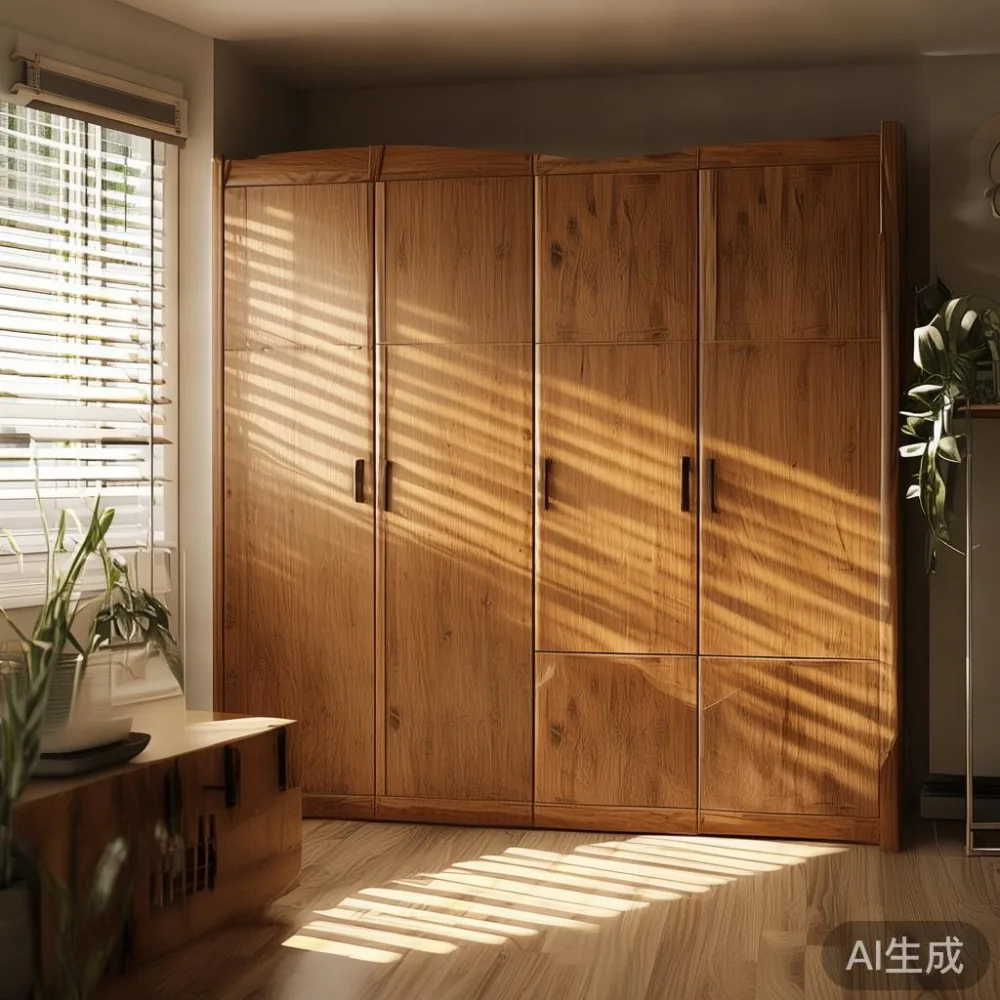
Singapore experiences a tropical rainforest climate with high humidity throughout the year. The average relative humidity ranges from 70% to 90%, with peaks during the Northeast Monsoon season from December to March. This constant moisture exposure can significantly impact wood furniture, particularly in HDB flats and condominiums where ventilation may be limited.
In areas like Tampines and Bedok, many HDB units have standard corridor widths of 1.2 meters and lift dimensions of approximately 1.5 meters by 1.5 meters. These spaces can trap humidity, especially during the rainy season when outdoor humidity levels exceed 85%. Punggol's newer developments often feature better ventilation systems, but the fundamental humidity challenge remains.
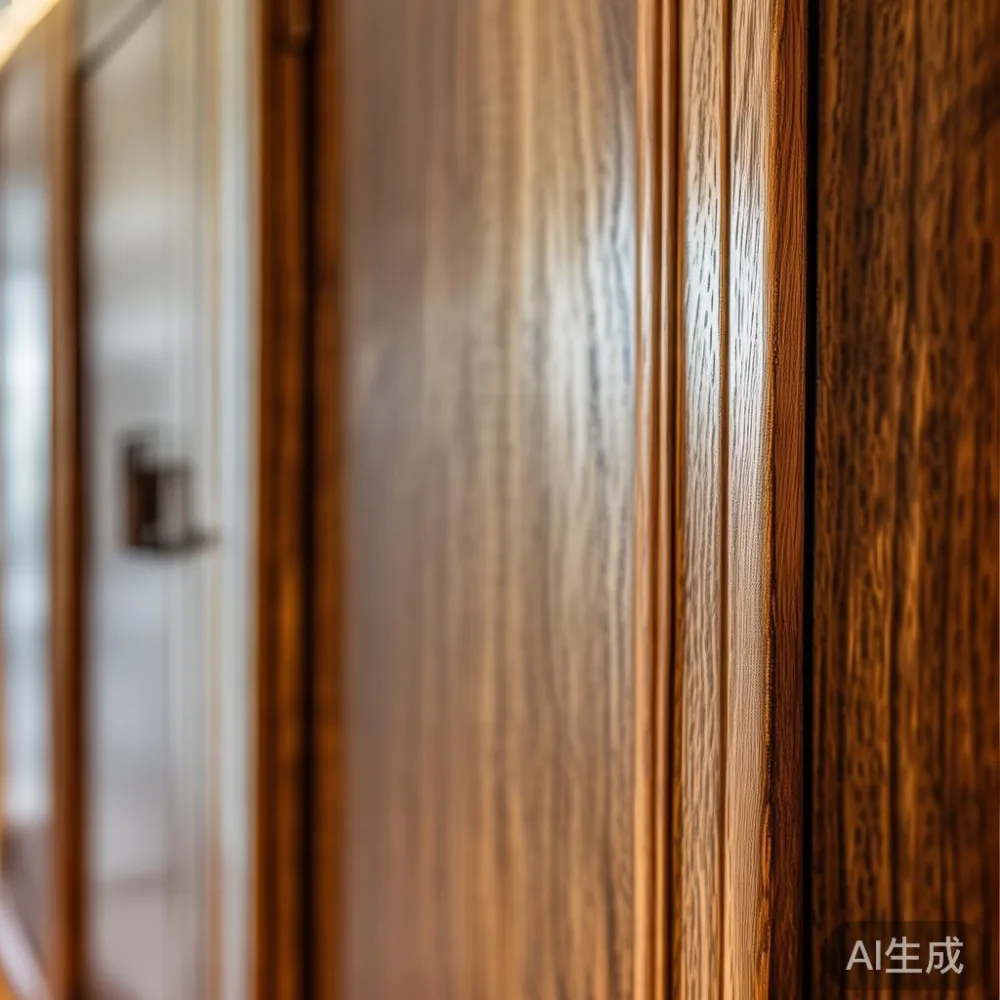
Wood furniture absorbs and releases moisture from the air in a process called hygroscopicity. When humidity rises, wood absorbs moisture and expands. When humidity drops, it releases moisture and contracts. This constant expansion and contraction can cause joints to loosen, finishes to crack, and the wood itself to warp or split over time.
How Humidity Affects Different Types of Wood Furniture
The impact of humidity varies depending on the type of wood and construction method. Solid wood furniture, such as those offered by MIDHILL, is particularly susceptible to humidity changes due to its natural properties. A solid wood dining table measuring 180cm by 90cm can expand by as much as 3-5mm in width during high humidity periods, potentially causing stress on joints.
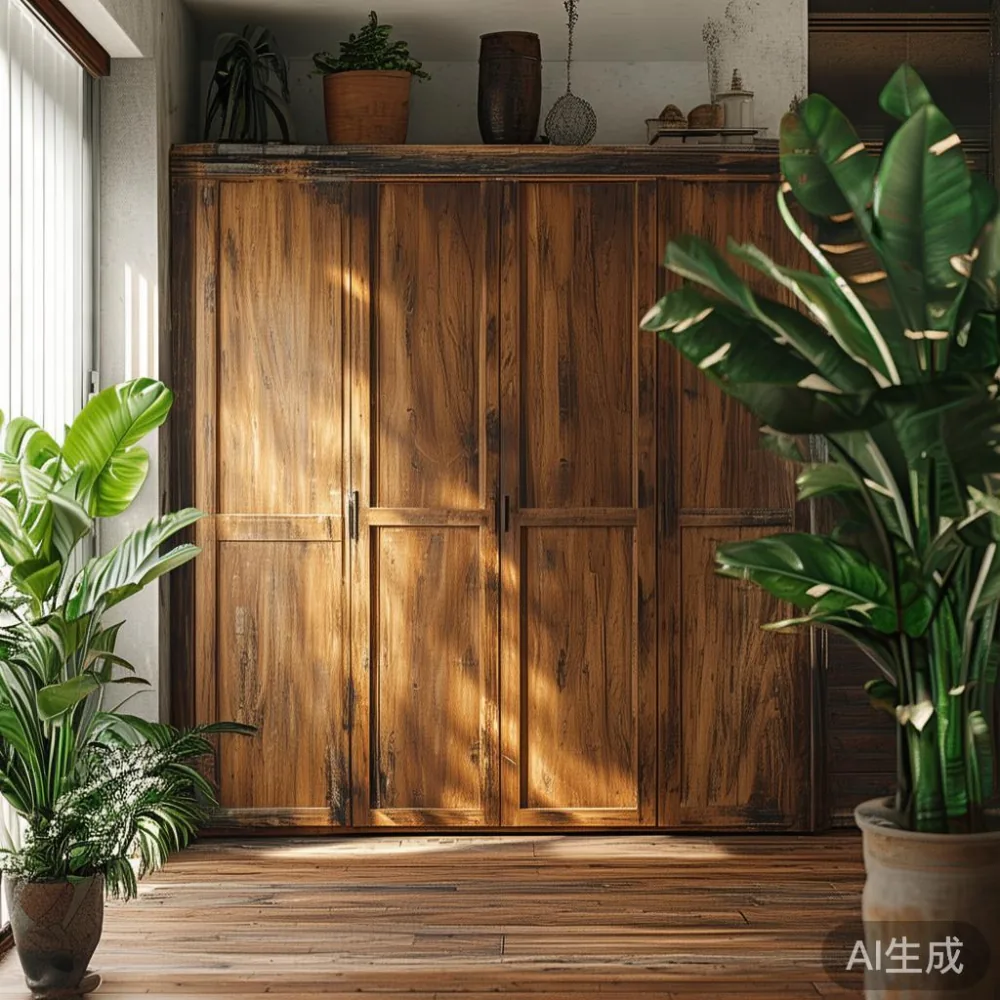
Wardrobes are especially vulnerable to humidity damage. A standard 240cm tall wardrobe with doors can experience warping of 2-3mm along the height when exposed to fluctuating humidity levels. This is why proper storage wardrobe construction is important for Singapore homes. MIDHILL's storage wardrobes feature specialized joinery techniques that accommodate natural wood movement.
Marble table tops, while less affected by direct humidity, can develop water rings if condensation forms on the surface. A marble dining table top should be wiped dry immediately after contact with moisture to prevent potential staining. The combination of wood and marble in furniture designs requires particular attention to humidity management.
Nightstands made from solid wood may experience the most noticeable movement due to their smaller size and higher surface area-to-volume ratio. A nightstand measuring 40cm wide might expand by 1-2mm during high humidity, potentially affecting drawer alignment if not properly constructed.
What is the ideal humidity range for wood furniture in Singapore?
The ideal humidity range for wood furniture is between 40% and 60%. Unfortunately, Singapore's average humidity rarely falls below 60%, making it challenging to maintain optimal conditions for wood furniture. This is particularly relevant for those who have invested in light luxury pieces like French provincial sofas or American light luxury bed frames that require stable environments to maintain their appearance and structural integrity.
For homeowners in Singapore HDB flats with standard room sizes of approximately 3.6m by 3.6m, maintaining consistent humidity levels becomes even more challenging. The limited space often means furniture is placed against external walls, which experience greater temperature and humidity fluctuations. When considering where to buy dining table from MIDHILL, it's important to consider their humidity-resistant construction methods.
Japanese sofa vs French provincial sofa comparisons often highlight how different furniture styles respond to humidity. Japanese designs typically feature simpler construction with fewer joints, making them potentially more resistant to humidity changes. French provincial pieces, with their ornate details and multiple joints, may require more careful maintenance in humid environments.
For those who prefer European light luxury bed in bedroom settings, the choice of wood becomes critical. Hardwoods like teak, walnut, and oak generally perform better in humid conditions than softer woods like pine. When selecting a bed frame, consider models with raised designs that promote better air circulation underneath.
Practical Solutions for Humidity-Resistant Furniture
When shopping for furniture in Singapore, look for pieces specifically designed for humid climates. MIDHILL offers solid wood furniture that undergoes a 6-month acclimatization process in Foshan before shipping, allowing the wood to adjust to Southeast Asian conditions. This process reduces the likelihood of post-purchase movement issues.
For storage wardrobe solutions, consider models with built-in ventilation systems. Some high-end wardrobes feature small vents at the top and bottom that allow air to circulate, reducing humidity buildup inside. A wardrobe with internal dimensions of 60cm deep by 120cm wide can benefit from vents measuring 5cm by 2cm placed strategically to promote airflow.
Dehumidifiers are practical solutions for maintaining optimal humidity levels. A 30-pint dehumidifier can effectively treat a room of 30 square meters, reducing humidity to around 50-60%. In Singapore's context, running a dehumidifier for 6-8 hours daily during the wet season can significantly extend the lifespan of wood furniture. Most units cost between SGD 200-400 and consume approximately 300-400 watts of power.
When considering for sale French furniture options, inquire about the wood treatment process. Quality pieces should have undergone kiln drying to reduce moisture content to 6-8%, which is ideal for tropical climates. This process typically takes 2-3 weeks and ensures the wood will better withstand Singapore's humidity without excessive movement.
For those interested in Vintage for small living room pieces, selecting items with simpler constructions can be beneficial. Vintage pieces with fewer joints and minimal ornamentation tend to perform better in humid conditions. A vintage nightstand measuring 45cm wide by 35cm deep would be less prone to movement than a more ornate alternative with multiple drawers and decorative elements.
A First-Person Experience: Furniture Maintenance in a Punggol Condo
Last month, I visited my colleague Sarah in her Punggol condominium to help with furniture arrangement. Her 120-square-meter unit features floor-to-ceiling windows that offer beautiful views but also introduce significant humidity challenges. Sarah had recently purchased a solid wood dining table from MIDHILL and was concerned about potential damage.
"I noticed some slight warping on the table edges after the monsoon season," Sarah explained. "The table is 200cm long, and I measured about 3mm of unevenness along one side." We examined the table together and confirmed the issue was indeed related to humidity exposure. The dining table was placed near a window that received direct morning sun, causing uneven moisture distribution.
We implemented several solutions: moving the table away from direct sunlight, placing a dehumidifier in the dining area, and using coasters under glasses to prevent condensation damage. Within three weeks, the warping had stabilized. Sarah also invested in a humidity monitor to maintain levels between 50-60%, which cost SGD 85 from a local electronics store.
"The MIDHILL team was very helpful when I called them," Sarah noted. "They explained their 10-year structural warranty covers humidity-related issues, which gave me peace of mind." This experience highlighted how proper placement and humidity control can prevent most furniture problems, even in challenging environments like Singapore.
Wood Types: Performance Comparison in Humid Climates
The choice of wood significantly impacts how furniture performs in humid conditions. Different woods have varying densities, porosity, and natural resistance to moisture. Understanding these characteristics helps homeowners make informed decisions when purchasing furniture.
| Wood Type | Density (kg/m³) | Moisture Content (%) | Dimensional Stability | Suitable for Singapore |
|---|---|---|---|---|
| Teak | 650-750 | 8-12 | Excellent | Yes |
| Walnut | 600-700 | 6-8 | Good | Yes |
| Oak | 700-900 | 10-14 | Moderate | With care |
| Mahogany | 500-600 | 10-12 | Good | Yes |
| Pine | 350-500 | 12-15 | Poor | Not recommended |
Teak and walnut are excellent choices for Singapore's climate due to their natural oils and dense grain structure. A teak dining table measuring 180cm by 90cm might weigh approximately 45-50kg, providing substantial stability against humidity changes. These woods naturally resist moisture penetration and require less maintenance in humid environments.
When considering American sofa vs French provincial sofa options, the frame construction matters more than the wood type. Both styles typically use hardwood frames, but the joinery techniques differ. American sofas often use dowel and glue construction, while French provincial pieces may employ more intricate joinery that could be more susceptible to humidity stress.
MIDHILL coffee tables made from teak or walnut offer superior performance in humid conditions. Their tables feature mortise and tenon joints, which allow for natural wood movement while maintaining structural integrity. This construction method is particularly important for smaller pieces like coffee tables that experience more frequent temperature and humidity fluctuations.
Common Mistakes in Furniture Selection for Humid Climates
Many Singapore homeowners unknowingly select furniture that's ill-suited to the local climate. Avoiding these common mistakes can significantly extend the lifespan of your wood furniture:
- Ignoring wood type: Pine and other softwoods are more prone to warping in humid conditions. Opt for hardwoods like teak, walnut, or oak instead.
- Overlooking construction quality: Poor joinery can amplify humidity-related problems. Look for furniture with traditional joinery techniques that accommodate natural wood movement.
- Placing furniture near temperature extremes: Avoid positioning wood furniture near air conditioning vents, heaters, or windows with direct sun exposure, which can cause uneven moisture distribution.
- Skipping acclimatization: New furniture should be allowed to acclimate to your home's environment for 1-2 weeks before use. This period allows the wood to adjust to local humidity levels.
- Neglecting maintenance: Regular dusting and polishing with appropriate products help protect wood finishes from moisture damage. A quality polish should be applied every 2-3 months in Singapore's climate.
- Using improper cleaning products: Avoid harsh chemicals or excessive water when cleaning wood furniture. Instead, use a slightly damp cloth followed immediately by a dry cloth.
- Ignoring ventilation: Ensure adequate airflow around furniture, especially for storage wardrobes. Poor ventilation traps moisture and accelerates wood deterioration.
When selecting a storage wardrobe, consider models with ventilation features. A wardrobe without proper airflow can develop musty odors and wood deterioration over time. Look for designs with small vents at the top and bottom, or consider placing moisture-absorbing products inside the wardrobe.
Investing in Quality Furniture for Singapore's Climate
While quality furniture represents a significant upfront investment, it offers better long-term value in Singapore's challenging climate. A well-constructed solid wood dining table from a reputable manufacturer like MIDHILL might cost SGD 2,500-4,000 but can last 20-30 years with proper care. In contrast, a lower-quality table might cost SGD 800-1,200 but may need replacement after 5-7 years due to humidity damage.
When considering the total cost of ownership, factor in maintenance expenses, potential repair costs, and replacement frequency. Quality furniture often comes with extended warranties—MIDHILL offers a 10-year structural warranty and lifetime refinishing service, providing additional peace of mind for Singapore homeowners.
For those interested in light luxury furniture, post-modern light luxury styles often feature designs that incorporate both aesthetic appeal and practical considerations for humid climates. These pieces typically use premium hardwoods with advanced finishing techniques that provide superior moisture protection.
When purchasing furniture in Singapore, consider the logistics of delivery and installation. Standard delivery charges for furniture over SGD 350 are typically waived, but larger items like wardrobes may require specialized handling. Ensure your home can accommodate the furniture—measure doorways, lift dimensions, and corridor widths before purchase. In older HDB flats with standard door widths of 80cm, disassembly may be required for items over 90cm wide.
The 9% GST applies to all furniture purchases in Singapore, so factor this into your budget when comparing prices. Quality furniture represents an investment in both aesthetics and longevity, particularly in a climate as challenging as Singapore's. By selecting pieces specifically designed for humid conditions and implementing proper maintenance practices, homeowners can enjoy beautiful wood furniture for decades to come.