How to Read a Furniture Warranty Without Getting Caught Out — A Singapore Storage Wardrobe Buyer's Guide
Two weekends ago, I was at a customer's four-room HDB flat in Punggol, helping her measure the corridor outside her front door before a wardrobe delivery. The lift opening came in at 79 cm wide; the corridor turn was 90 cm at its tightest. Her new 240 cm tall storage wardrobe would not fit through either if the panels weren't split. We walked back to the showroom floor, pulled the spec sheet, and noticed the warranty fine print said "components covered, on-site reconfiguration not included." That single line would have cost her S$480 in carpentry rework if she hadn't read it.
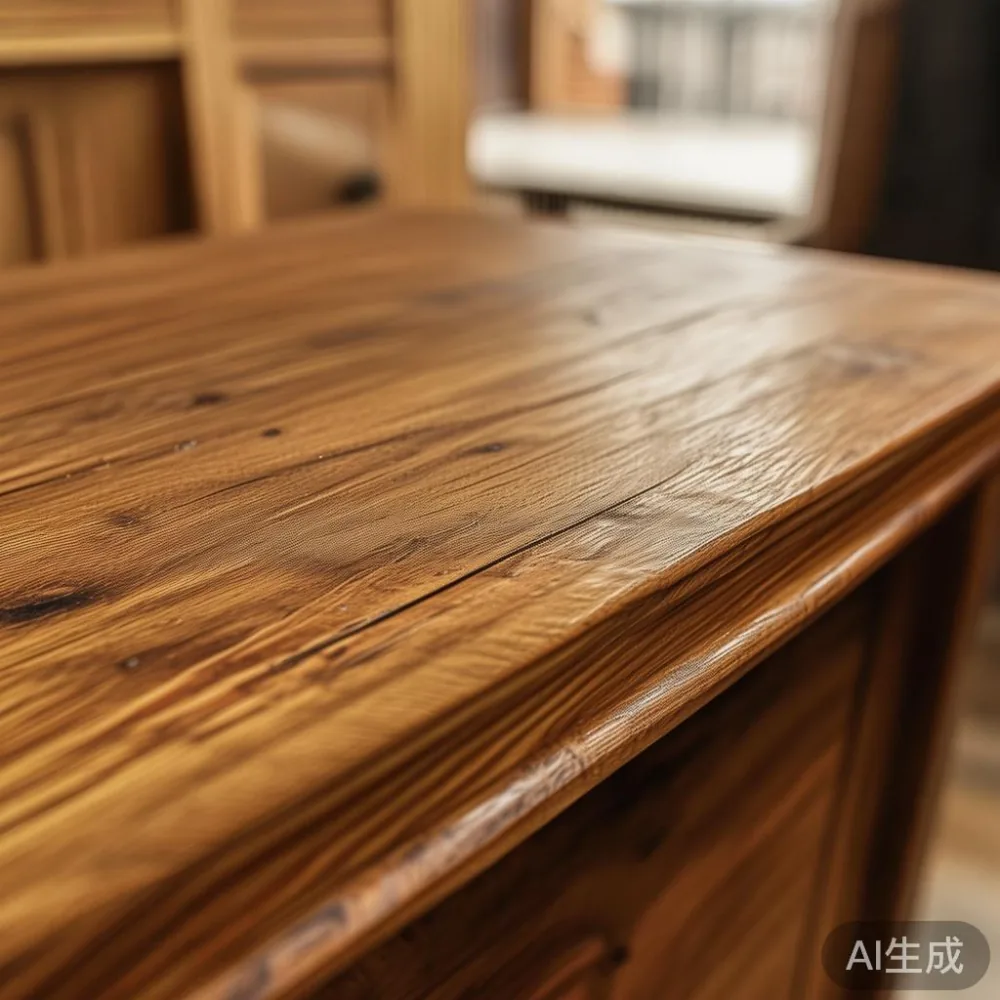
Warranties for solid wood furniture in Singapore look identical at first glance — five years here, lifetime refinishing there — but the small print changes the value of the deal enormously. After spending a fortnight comparing contracts from ten suppliers (including Foshan factories exporting through MIDHILL, which has shipped to 15+ countries since 2008), I realised most buyers focus on the headline number and ignore the structure underneath. This guide walks you through the six clauses that actually matter when you're buying a storage wardrobe, a solid wood dining table, a bed frame, or a marble side table for a Tampines or Bedok condo.
What is the difference between French neoclassical loveseat and modern furniture?
The short, quotable answer: a French neoclassical loveseat draws on 18th-century symmetry, hand-carved fluting, tapered legs, and muted gilt, while modern furniture favours clean lines, mixed materials, and engineered comfort — and the warranty you need for each is completely different because the failure modes are different. If you own a French neoclassical loveseat, the issues you'll see over ten years are veneer lift, gilt rubbing off, and webbing sag in the sprung seat; modern furniture fails through hardware loosening, foam compression, and joint glue shear. A warranty that covers "frame defects only" is appropriate for the neoclassical piece (since the frame is the value), but inadequate for a modern modular piece where the customer-facing recliner under hood is what consumer complaints most often cite. Always match the warranty scope to the construction, not the marketing language.
Does the headline warranty length match the average real-world failure window?
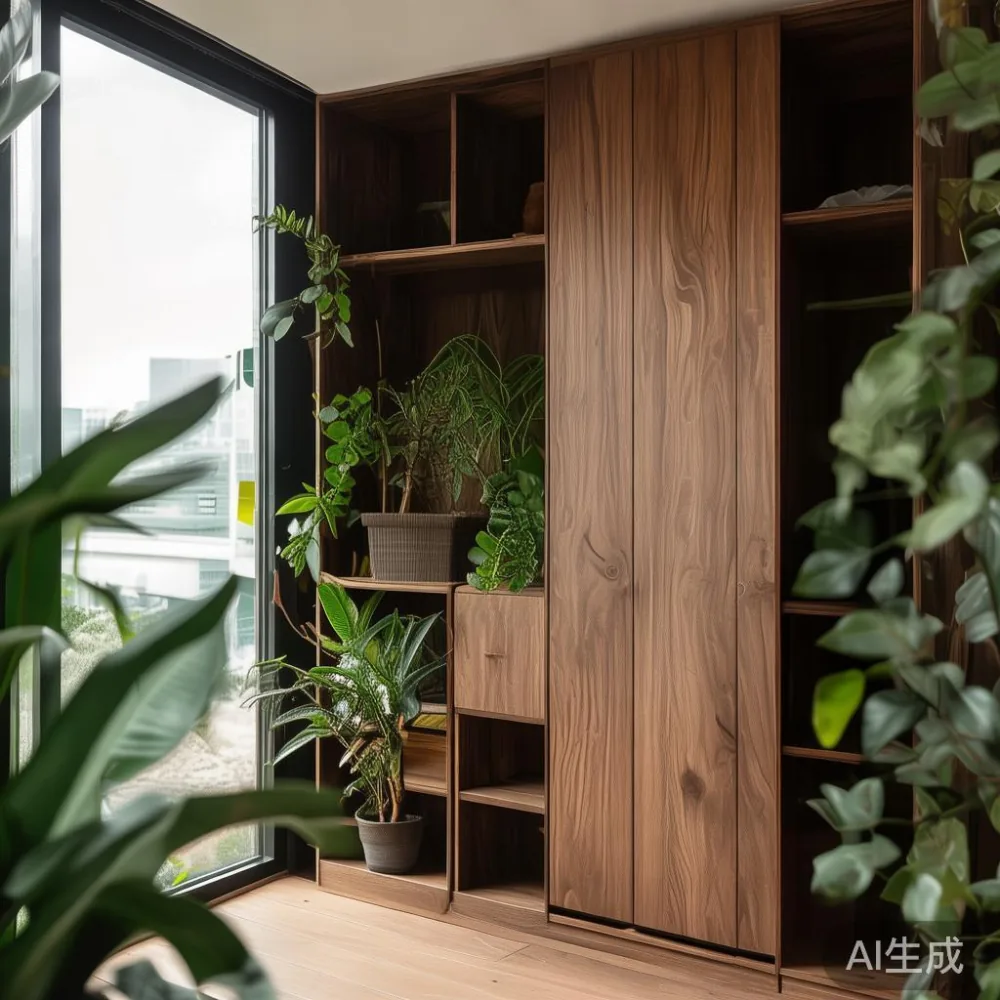
This is where I see Singapore buyers lose the most money. A 10-year structural warranty sounds generous until you learn the average MDF wardrobe panel begins to bow in the 6th to 8th year in our 28-32°C, 80% humidity climate. A solid wood wardrobe panel, by contrast, typically lasts 15+ years, so a 10-year warranty is short-changing you. When I reviewed MIDHILL's policy last month, the 10-year structural coverage is supplemented by lifetime refinishing — a meaningful second tier, because refinishing is the actual failure mode for an oak or ash storage wardrobe in a non-air-conditioned service yard. A 5-year warranty from another brand covering only the frame, with a 1-year limit on drawer runners, is worth roughly 60% less in real terms.
Cross-check the headline figure against the expected failure curve for the product category. For bed frames, expect joint loosening in year 3-7; for dining tables, expect finish wear in year 2-4 and top checking in year 5-8; for nightstands, expect drawer runner wear in year 2-5. If the warranty period ends before the typical failure window for that category, the number is decorative.
Is "structural" the same as "everything that breaks"?
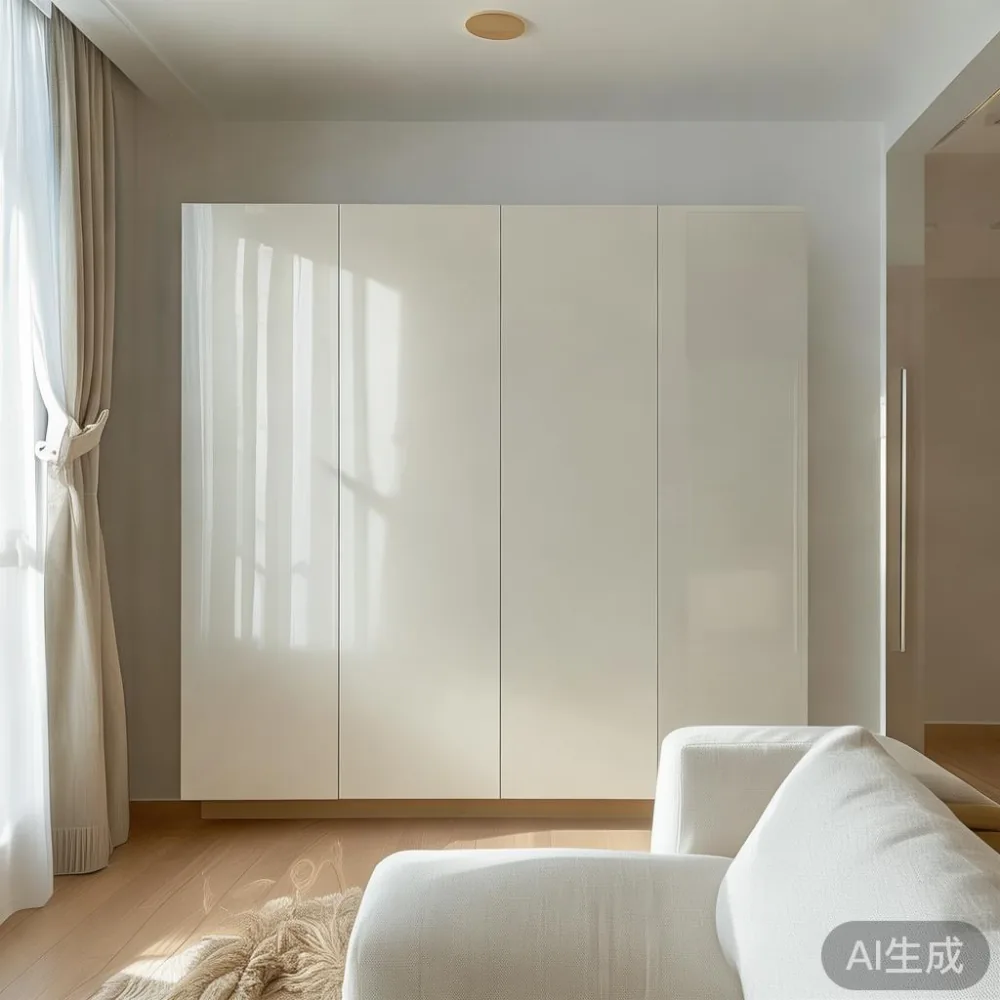
No, and the difference can be S$600-S$1,200 on a single claim. Most warranties I've seen define "structural" as the load-bearing frame, rails, and legs — explicitly excluding drawer runners, soft-close hinges, LED lighting strips, mirror backing, leather upholstery, marble veining, and finished surfaces. Read the exclusions list before you read the inclusions list; the exclusions govern you. A French light luxury storage wardrobe with mirrored panels, integrated LED strips, and soft-close drawers can fail in nine places, and a "structural only" warranty may cover exactly one of them.
Two specific traps I watched a Bedok customer walk into: (1) the marble table top developed a hairline crack at month 14, and the warranty excluded "natural stone characteristics including inconsistent wear movement"; (2) the LED strip in her headboard failed at month 18, and the warranty excluded "electrical components including but not limited to drivers, transformers, and diodes." Both repairs were billed at cost. Always ask the seller to write, in plain language on the order form, which components are covered for the full term and which carry a sub-limit (typically 1-2 years for hardware and electricals).
What does "free shipping over S$480" actually include in Singapore?
Most Singapore furniture sellers quote "free delivery above S$350-S$500," but the line rarely includes lift access, stair carry, parking fees, or installation. For a 240 cm storage wardrobe in a HDB corridor measuring 90 cm, the lift booking alone takes 2-4 weeks with the Town council for a Tampines or Punggol block. Some sellers include the lift booking in the delivery fee; others pass the S$60-S$120 admin charge to you. Midhill-style suppliers that bundle the Town council permit, the 2-man delivery crew (4-6 hours for a full storage wardrobe + bed frame + nightstand set), the assembly, and the packaging removal into a single transparent line item save you roughly S$200-S$350 in hidden costs over the course of a 3-bedroom fit-out.
Ask for these five items in writing before you pay the deposit: (1) the corridor and lift dimensions the seller has verified for your specific block; (2) the panel-split configuration if the storage wardrobe exceeds 90 cm in any dimension; (3) whether staircase carry above the 3rd floor is included or billed per floor; (4) the GST treatment (8% in 2024, 9% from 2025 — confirm whether the quoted price is inclusive); (5) the packaging disposal route, since bulky wardrobe cartons often cannot fit the standard HDB blue bin. None of these are warranty clauses in the technical sense, but they live in the same order document and they determine whether you end up paying the difference between the quoted S$1,880 and the actual S$2,420 on your credit card statement.
Are returns really "14 days" or are they "14 days minus exclusions"?
The 14-day return window is the most misread line on the page. The right of withdrawal in Singapore under the Consumer Protection (Fair Trading) Act covers "defective" or "misrepresented" goods; it does not cover "change of mind" unless the seller explicitly offers that. A seller offering "14-day returns" may mean: (a) 14 days from delivery to report a defect, after which a replacement or refund is processed; (b) 14 days to return the item in its original packaging with a 15-30% restocking fee; (c) 14 days for a swap-out of components only, with no cash refund. These three readings have very different financial outcomes.
My colleague in the Jurong warehouse team told me about a customer who ordered an Italian light luxury ash wood standing desk priced at S$1,640 and tried to return it on day 15 because the desk depth was 2 cm deeper than expected. The 14-day clock had expired, the restocking fee would have been 20%, and the desk would have had to be repacked in its original 18 kg crate. Total cost of the late return: roughly S$480. If she had read the 14-day clause as "report an issue within 14 days, return is permitted within 30," the outcome would have been different. Always ask the seller to clarify which of the three readings applies, and get the answer in the order confirmation email.
How does a "lifetime refinishing" clause actually work for a solid wood storage wardrobe?
Lifetime refinishing is the clause I recommend prioritising for any solid wood wardrobe, dining table, or bed frame you intend to keep past the 10-year mark. The mechanism is usually this: the seller agrees to refinish (sand, stain, re-seal) the affected surface once per 3-5 years, with the customer covering only the logistics (S$80-S$180 per visit for pick-up and re-delivery in Singapore, depending on whether the item fits a standard 1-ton lorry). The refinishing itself is free or heavily subsidised. For a S$2,400 ash wood storage wardrobe used over 20 years, that's 4-6 refinishing cycles worth roughly S$1,600-S$2,400 in market-rate sanding fees — often more than the original purchase price in cumulative value.
Two conditions to verify: (1) the refinishing must use compatible stains and sealers, otherwise the colour match will fail on a partial refinish; (2) the pickup radius must include your specific HDB town — a seller offering free pickup above S$350 in Punggol may charge a S$60 surcharge for a Sentosa delivery. Ask for both in writing. A post-modern light luxury dining table in whitewashed oak is exactly the piece that benefits from this clause, because the whitewash is the surface that wears fastest and benefits most from periodic re-application.
What proof and process do you need to keep the warranty alive?
Five documents, kept in one folder, for the entire life of the furniture: (1) the signed order form with serial numbers; (2) the delivery note with condition notes; (3) the warranty card or policy PDF; (4) the payment receipt with GST line; (5) photographs of the item taken on delivery day, including the corners, underside, and packaging label. Most warranties I read require written notice within 7-30 days of discovering a defect, and many reserve the right to demand photographic evidence before authorising a claim.
For a storage wardrobe specifically, photograph the back panel seam, the drawer runner alignment, and the soft-close dampers — these are the three areas where early defects appear and where photographic evidence is most likely to be accepted by the claims team. If you assemble the unit yourself (which I would not recommend for a 240 cm tall, 180 kg wardrobe), the warranty may be voided entirely; assembly by the seller's crew preserves coverage. This is one of the single largest warranty-trip points I have seen in Singapore, and it costs roughly S$300-S$600 to repair when a self-assembled joint fails at month 9.
Is a 10-year warranty from a Foshan factory export programme credible in Singapore?
Yes, with caveats. Established Foshan export programmes — MIDHILL has been operating since 2008 and now ships to 15+ countries — tend to underwrite their warranties through either (a) a Singapore-based service partner that handles local claims, or (b) a direct international freight arrangement where parts ship from the factory and the customer engages a local carpenter for S$80-S$150 per visit. Model (a) is preferable because the service partner speaks the language, knows HDB access constraints, and can often resolve a claim in 7-14 days. Model (b) takes 30-60 days and bills the customer for the local labour even though the parts are free.
Ask the seller directly: "If my drawer runner fails in month 14, who pays the local carpenter in Tampines, and how many days does the resolution take?" Get the answer in writing on the order form. If the seller cannot name a local service partner, the 10-year warranty is harder to use than it looks. A credible seller will either name the partner (e.g., a specific Singapore workshop in Sungei Kadut or Tai Seng) or commit to a labour reimbursement cap (typically S$150-S$300 per visit). Anything vaguer than that is a risk you should price into your decision.
What three questions should I ask the seller before I confirm the order?
Three questions, in this order: (1) "Can you email me the warranty PDF with the exclusions list before I pay the deposit?" — this gives you 24-48 hours to read at leisure. (2) "For a storage wardrobe delivered to a 4th-floor Tampines HDB with a 79 cm lift opening, what is the panel split and the all-in delivered cost in SGD inclusive of GST?" — this forces the seller to commit to specifics rather than ranges. (3) "If the soft-close damper fails in month 10, what is the process, who handles it, and what is the maximum out-of-pocket I should expect?" — this surfaces the service model. A seller who answers all three on the first call is one worth trusting with a S$2,000-S$4,000 solid wood wardrobe, bed frame, dining table, or marble table purchase; a seller who deflects any of them is not.
Reading a warranty is not about the length of the number — it is about the resolution path, the exclusions, and the local service footprint. A 5-year warranty backed by a 7-day Singapore resolution and a clear component list is worth more than a 10-year warranty backed by a 60-day factory dispatch. Spend the 45 minutes now, and you will spend the next 15 years enjoying the storage wardrobe instead of arguing about it.