How to Style a Small Singapore Apartment Without Making It Feel Crowded
The lift door opens on the 12th storey of an HDB block in Punggol, and my colleague Mei Ling ushers me into her 65 sqm three-room flat. She has lived here for nine years, raised two kids through the BTO years, and only last month decided the living room needed a full reset. Her complaint was the one I hear most often from friends across Tampines, Bedok and Toa Payoh: the apartment feels smaller every year, not bigger. The issue is rarely the floor area, because 65 sqm is plenty for a couple with school-going children. The issue is furniture that eats visual space, blocks corridor light and stops the eye from travelling the full length of the room. After two days of measuring, moving and re-measuring, with a tape that ran out at her 4.2 m main corridor, we rebuilt the room around three pieces of solid wood furniture and a single, carefully chosen storage wardrobe. This is what I learned, and what every Singapore renter or owner can copy.
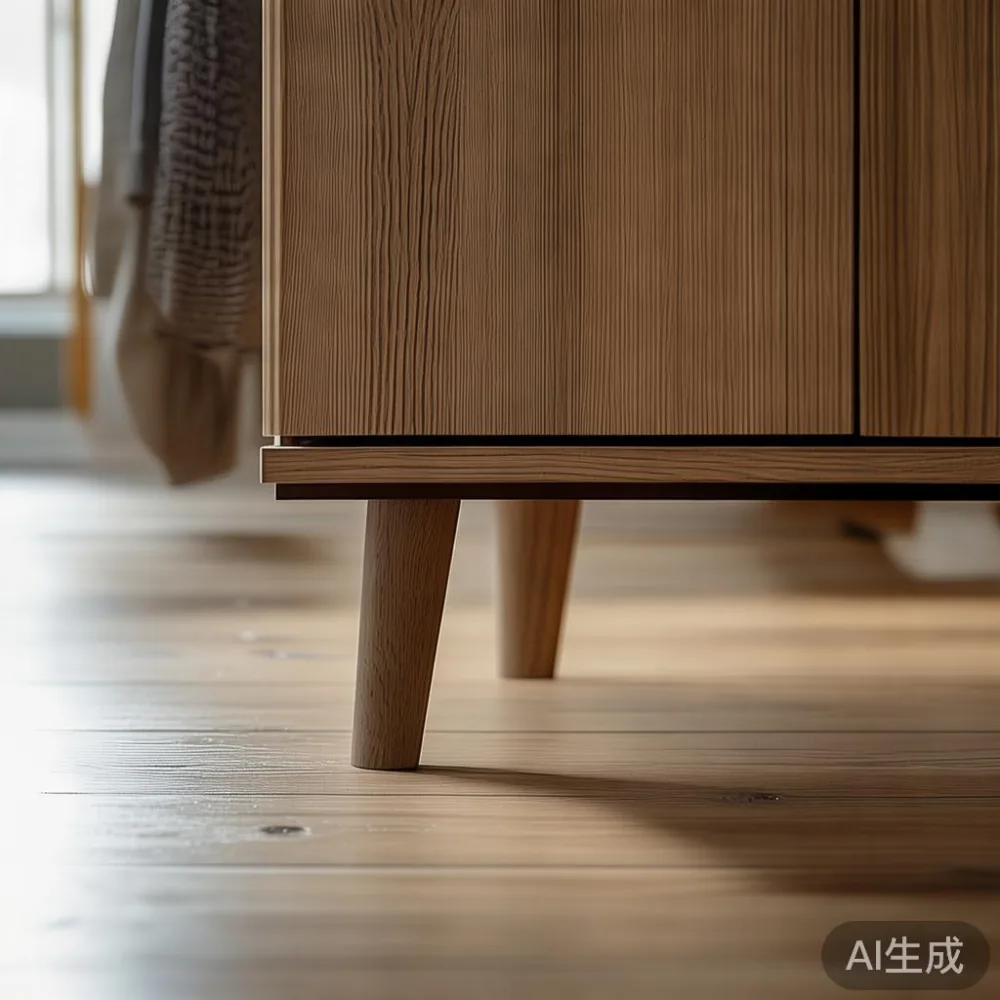
Why small Singapore flats always look 10 sqm smaller than they are
Singapore corridors are narrow for a reason. HDB lift lobbies run about 1.2 m wide, and most BTO internal corridors sit between 0.9 m and 1.1 m. That sounds generous on paper, but it means anything wider than 95 cm cannot pivot around a corner without being tipped on its side. Bulky flat-pack wardrobes, deep 60 cm bookshelves and 2.4 m display cabinets simply cannot be moved in once the kitchen and doors are installed. Residents give up and either keep the developer's built-in or cram a too-large piece into the master bedroom, which is usually only 9 to 11 sqm. The result is a bed jammed against a wardrobe wall, with a 30 cm walking gap that no one can use. The second culprit is repetition. Five small wooden pieces in five different stains will always read as clutter. One large light-oak piece, repeated twice, will read as calm. This is the design principle behind French light luxury and the post-modern light luxury aesthetic that you find in newer condos at Punggol Digital District and the Tengah garden precinct: fewer pieces, longer lines, calmer wood tones.
What is the difference between Japandi king bed and modern furniture?
A Japandi king bed is a 180 cm wide, low-profile solid wood bed frame, usually 25 to 32 cm off the floor, finished in a matte light-oak or natural teak with no headboard upholstery and no visible hardware, designed to pair with platform-style mattresses; modern furniture, by contrast, refers to the broader 20th-century Scandinavian and mid-century movement that uses taller legs (15 to 20 cm), more visible joinery, occasional upholstery, and a higher sleeping surface around 45 cm. In a small HDB or condo, the Japandi version saves 8 to 12 cm of visual bulk at floor level, which is exactly why it reads as calmer in a 9 sqm bedroom. The parent kit from MIDHILL, for instance, includes a Japandi king bed frame at 188 cm long x 198 cm wide x 28 cm high, weighing about 42 kg, that fits through a standard 0.9 m corridor when tipped diagonally.
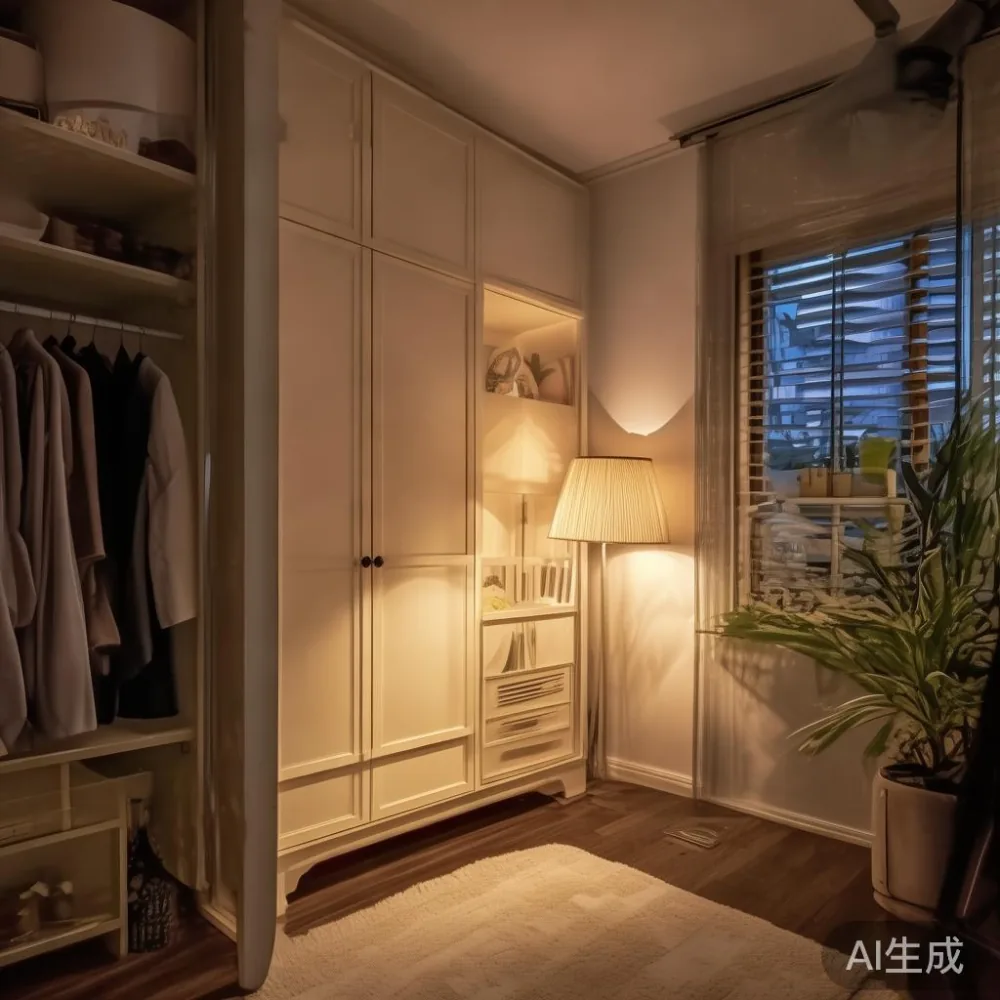
Measure the room the way a contractor does, not the way Pinterest does
Pinterest tells you to buy a 2.2 m sofa for a 3 m wall. Contractors measure the diagonal. Grab a 5 m tape, a notepad, and walk the apartment like you are delivering furniture to it. Write down six numbers for every room:
1. Door width and door swing arc (usually 70 to 80 cm for HDB bedrooms, 80 to 90 cm for the main door).
2. Lift door width and lift depth (most passenger lifts are 0.9 m wide and 1.2 m deep; service lifts in newer blocks at Punggol and Sengkang go up to 1.5 m wide).
3. Corridor width at the tightest turning point (often the kitchen or bathroom corridor, typically 0.85 to 1.0 m).
4. Ceiling height (HDB standard is 2.6 m, but some Punggol BTOs hit 2.8 m, and premium condos reach 3.0 m).
5. Window sill height (HDB windows usually sit at 0.9 m, condo windows can be floor-to-ceiling).
6. Floor-to-floor wall (HCW), which is the diagonal length of the largest wall minus 5 cm for skirting.
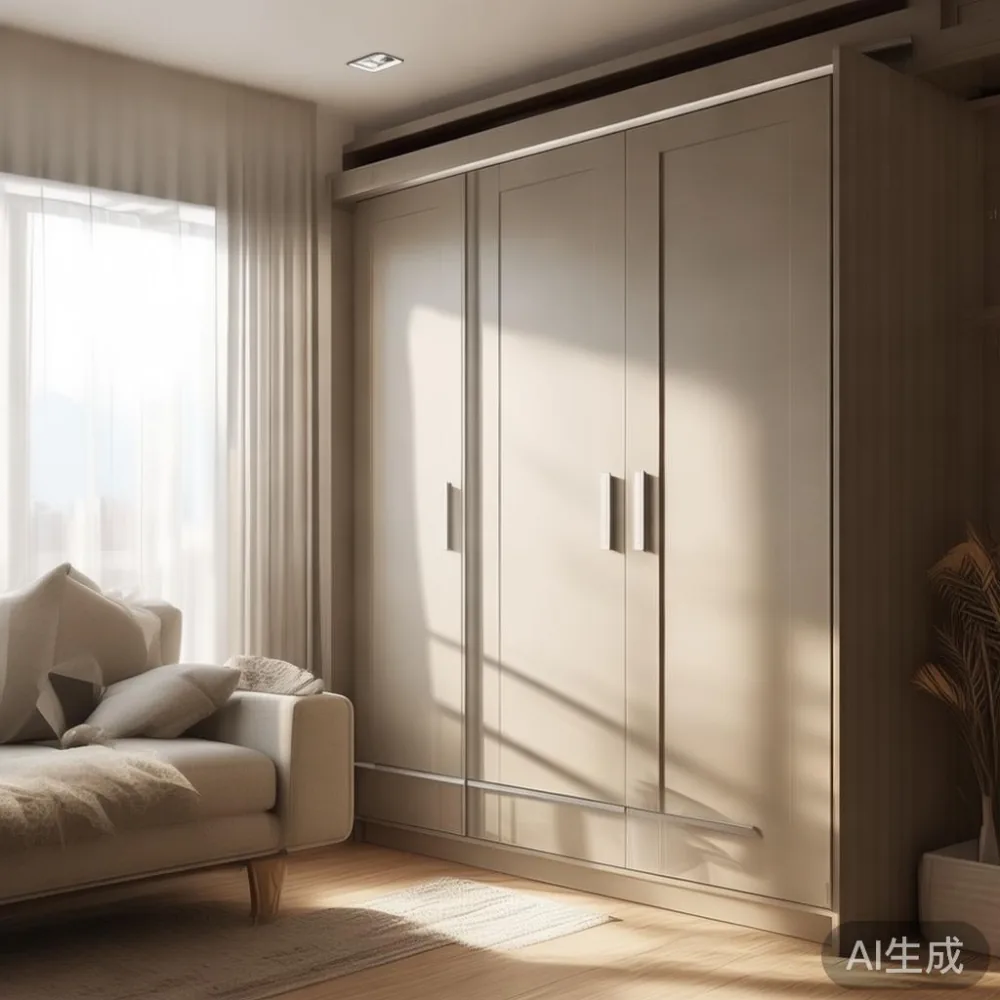
With six numbers in hand, anything over 90 cm deep becomes a non-starter for narrow corridors. Anything over 50 kg that needs to go up more than two floors without a service lift should be flat-packed or assembled in-room. This is one reason a solid wood bed frame from MIDHILL ships in flat-pack form and is assembled in your bedroom by a two-person crew within 40 minutes.
Pick the three pieces that earn the space, then build the room around them
The temptation in a small apartment is to buy a little of everything: a small sofa, a small dining table, a small wardrobe, a small bed. You end up with eight pieces of small furniture and no breathing room. The opposite is cheaper and calmer: buy three large, well-made pieces and let them do the work. For a typical 65 sqm three-room flat, the three pieces that earn their floor space are:
1. A storage wardrobe that is 180 to 200 cm tall, 160 to 200 cm wide, and 55 to 60 cm deep, with internal drawers and at least two hanging zones.
2. A solid wood bed frame in king or queen, with under-bed clearance of 15 to 25 cm for flat storage boxes.
3. A dining table for four that extends to six, around 135 to 160 cm long, 80 cm wide, 75 cm high, with a solid wood top at least 3 cm thick.
A solid wood sofa, a nightstand pair, and a marble table can come later, but they are upgrades, not necessities. The three core pieces should consume about 60 to 70 percent of your furniture spend and 80 percent of your visual calm.
How do you fit a 2-metre storage wardrobe into a 9 sqm bedroom without crushing the bed?
This is the question I get from almost every Mei Ling, every new BTO owner, every couple moving from a one-bedder to a three-room flat. The answer is geometry and door swing. A 200 cm tall x 180 cm wide x 60 cm deep storage wardrobe weighs between 95 kg and 130 kg when made from solid teak or solid oak, which is too much to move through a 90 cm corridor once assembled. Two solutions work in practice. Either the wardrobe is delivered flat-packed in four to six boxes (each under 35 kg) and assembled in the bedroom by a crew that takes 60 to 90 minutes, or it is built on-site from pre-drilled panels by a carpenter who measures, cuts and fits in two days. Flat-pack is faster; on-site carpentry is more flexible. Whichever route you pick, the bedroom layout should leave a 55 to 65 cm walking lane between the bed and the wardrobe, not the 30 cm that ends up happening by accident. Place the storage wardrobe on the wall opposite the door so morning light crosses the room instead of bouncing off a dark panel. Choose a wardrobe with sliding doors rather than hinged doors; a hinged door needs 55 to 60 cm of swing arc, while a sliding door needs 8 to 10 cm of track clearance. In a 9 sqm bedroom, that 45 cm saving is the difference between a usable walking lane and a fight with the door.
Light luxury, real timber: the wood-tone rule for cramped rooms
American light luxury interiors in Singapore condos tend to use warm white walls (a warm white at NCS S 0500-Y, not a clinical cool white) with one wood tone running at 70 percent of the room. French light luxury interiors add a single darker accent, usually walnut or smoked oak, on 20 percent of the surfaces, and leave 10 percent for marble, brushed brass or linen. Post-modern light luxury is more playful, with curved sofa arms and rounded marble table edges, but the rule still holds: one dominant wood, one accent wood, one mineral or metal finish. For small HDB flats, I recommend natural light-oak or natural teak as the dominant tone. Both reflect more daylight than walnut or mahogany, and both age well under Singapore's tropical UV, which is intense even through coated glass. Avoid staining teak dark. A teak wardrobe that has been stained espresso will look tired within three years as the stain wears off high-touch zones like handles and drawer pulls. NM leads bead, raw or oil-finished teak looks better at year five than at year one.
Where to save and where to spend: a 6,000 SGD budget that actually works
A couple buying for a new Punggol BTO in 2024 told me their furniture budget was 6,000 SGD before GST, including delivery. After 9 percent GST (the rate that ran through 2024 and into early 2025, with the planned move to 8 percent in 2025 still being finalised at the time of writing), the landed budget was about 6,540 SGD. Here is how I would split it for a 65 sqm three-room flat:
- Storage wardrobe, 180 cm wide x 200 cm tall x 60 cm deep, solid teak, sliding: 2,200 to 2,600 SGD. This is the single largest line item and the one piece you should buy once and never replace. Lifetime refinishing from the maker is worth real money in Singapore humidity.
- Japandi king bed frame, 198 cm x 188 cm, solid teak, platform: 1,400 to 1,800 SGD. The under-bed clearance of 18 cm fits two flat storage boxes, which removes the need for a separate chest of drawers.
- Extending dining table for four to six, 135 to 160 cm, solid wood top, beech or oak base: 1,000 to 1,300 SGD.
- Two nightstands, 45 cm wide x 40 cm deep x 55 cm tall, solid wood: 350 to 500 SGD for the pair.
- One marble table, 90 cm round or 100 x 60 cm oval, for the entryway or as a coffee table: 600 to 900 SGD.
- One accent chair or small solid wood sofa, 150 cm wide two-seater: 800 to 1,200 SGD, optional.
Total: 6,350 to 8,300 SGD depending on whether the sofa is included. The pieces that earn their space are the wardrobe, the bed, and the dining table. The pieces that lift the room are the marble table and the nightstands. The sofa, if budget is tight, can wait three to six months.
Delivery day: what really happens at the lift lobby
For my colleague's Punggol flat, the delivery window was a Tuesday between 10 am and 2 pm, which is outside the HDB quiet hours and avoids the lunch traffic at the Tampines expressway. Two men arrived in a 1.5 tonne lorry with the storage wardrobe in four cartons, each weighing 28 to 34 kg, plus the bed frame in two cartons. The lift at her block measures 1.1 m wide and 1.4 m deep, which is generous by HDB standards. The wardrobe cartons went in vertically with 12 cm to spare. The bed frame cartons went in flat. Assembly took 75 minutes for the wardrobe and 35 minutes for the bed frame. The crew laid down moving blankets, checked the wall for hidden wiring using a voltage tester, and used a 4-foot spirit level on every panel. They left the cartons, the plastic wrapping and a small sweep of sawdust in a bag by the refuse chute. Free shipping over a 350 USD threshold, which works out to roughly 470 SGD at current rates, was met by the wardrobe alone. Below that threshold, a 60 to 80 SGD delivery fee is standard for a single-lift HDB block; above, it is waived.
How does lifetime refinishing actually work in Singapore's humidity?
Singapore sits in climate zone Af (tropical rainforest) under the Köppen classification, with relative humidity that runs between 70 and 90 percent for most of the year and temperature between 24 and 32 degrees Celsius. Solid wood furniture breathes in this climate, which is why flat-pack MDF pieces delaminate at the corners within four to six years, while solid teak and solid oak pieces last twenty years or more. The trade-off is that the surface finish wears. Handles go dull. Tabletops get rings from cold mugs. Sun-facing panels bleach slightly. Always under two programmes that matter in Singapore: structural warranty and refinishing.
A 10-year structural warranty covers joinery failure, drawer slide failure, and warping beyond 4 mm over a 1 m span. A lifetime refinishing programme covers sanding, re-oiling or re-staining, and handle replacement, usually on a pay-for-service basis or free if the piece was bought within the last five years. In my experience, the first refinishing is needed around year seven for a heavily used dining table, year ten for a bed frame, and year twelve to fifteen for a wardrobe. The cost is typically 150 to 280 SGD per piece, which is cheaper than replacing the piece and far less wasteful.
A two-day makeover that you can copy in a weekend
If you want to test the principles without committing, run a two-day trial. Day one morning, clear everything out of the room and photograph the empty space. Day one afternoon, bring back the three core items only: storage wardrobe, bed frame, dining table. Day one evening, measure the walking lanes and check the door swings. Day two morning, add the nightstands and the marble table. Day two afternoon, add one accent chair if you have budget. Day two evening, photograph the room again. The difference between the two photographs is the visual impact of restraint. Most Singapore residents I have walked through this exercise find that the second photograph feels 20 to 30 percent larger, even though the floor area has not changed. The room reads as bigger because the eye can travel, the light can travel, and the furniture does not fight the architecture. A solid wood sofa with curved arms, a post-modern teak sofa bed for the guest room, a marble table with a brushed brass base, and a low Japandi king bed will all add to the calm without adding to the clutter, as long as they share one wood tone and one metal finish. Choose fewer pieces, choose better pieces, and the small Singapore apartment stops feeling small.