Beyond the Surface: A 5-Year Financial Breakdown of Veneer and Solid Wood Storage Wardrobes
In the context of Singapore's urban living, where space is a premium and HDB flats and condos in areas like Tampines, Bedok, and Punggol often have narrow lift corridors and compact bedrooms, choosing the right storage wardrobe is a significant decision. The furniture you select is not just an aesthetic choice; it's a long-term investment in your home's functionality and your personal finances. The debate between veneer and solid wood has raged for years, with manufacturers and retailers often presenting conflicting information. This article moves beyond marketing claims and provides a detailed, 5-year cost comparison, using concrete figures and real-world scenarios to help you make an informed decision for your Singaporean home.
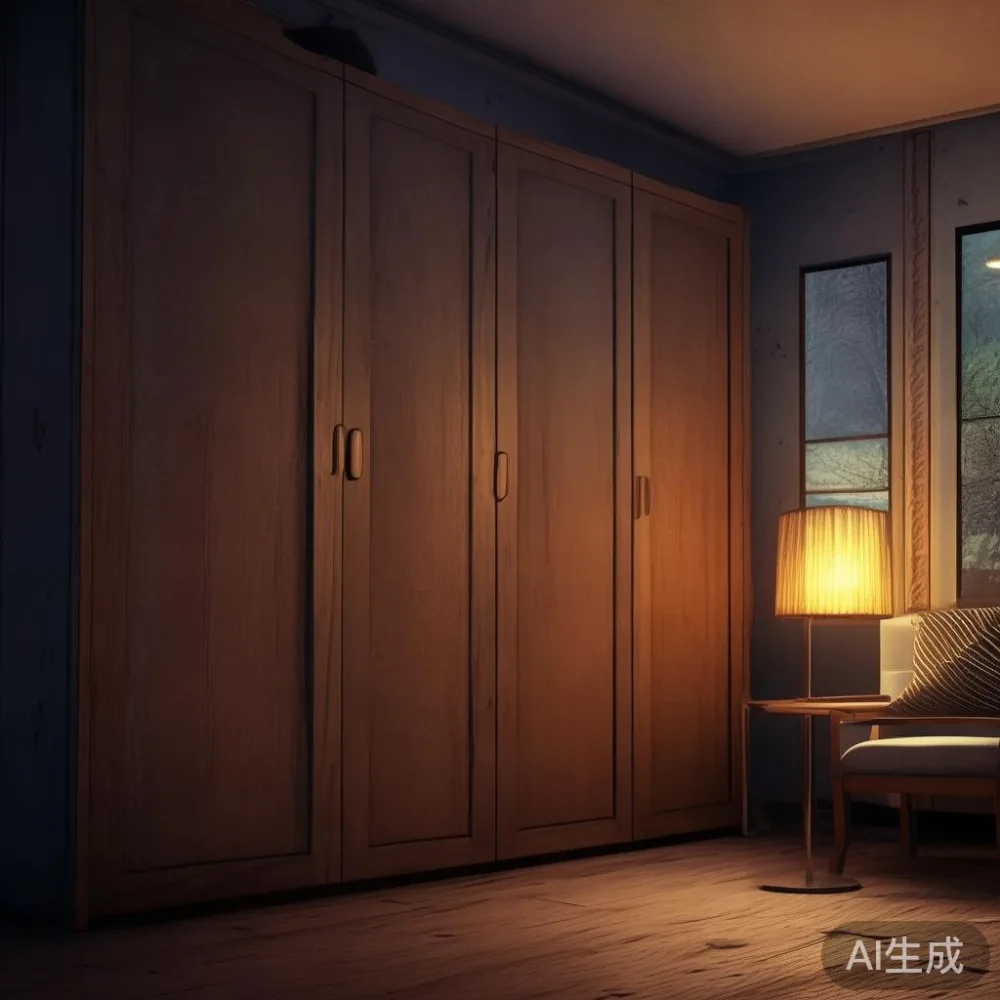
What Exactly Are We Comparing? Veneer and Solid Wood Defined
To begin, it's important to establish a clear, factual distinction between the two materials. Solid wood, as the name implies, is constructed from a single, solid piece of timber, such as oak, walnut, or teak. A storage wardrobe made from solid wood will have frames, doors, and drawer fronts all crafted from this natural material. The visible grain, texture, and colour variations are authentic to the wood itself. A high-quality solid wood wardrobe is a substantial piece of furniture, often weighing between 120 kg and 180 kg for a standard double-door model measuring approximately 180 cm in width, 60 cm in depth, and 220 cm in height.
Veneer, on the other hand, is a thin layer of real wood (typically less than 3 mm thick) applied over a core substrate, which is usually a composite material like Medium-Density Fibreboard (MDF), particleboard, or plywood. This core provides the structure and shape, while the veneer layer provides the appearance of solid wood. A veneer storage wardrobe will have a similar external appearance to a solid wood one, but its internal construction is fundamentally different. The weight of a comparable veneer wardrobe would be significantly lower, around 70 kg to 100 kg, due to the lighter MDF core.
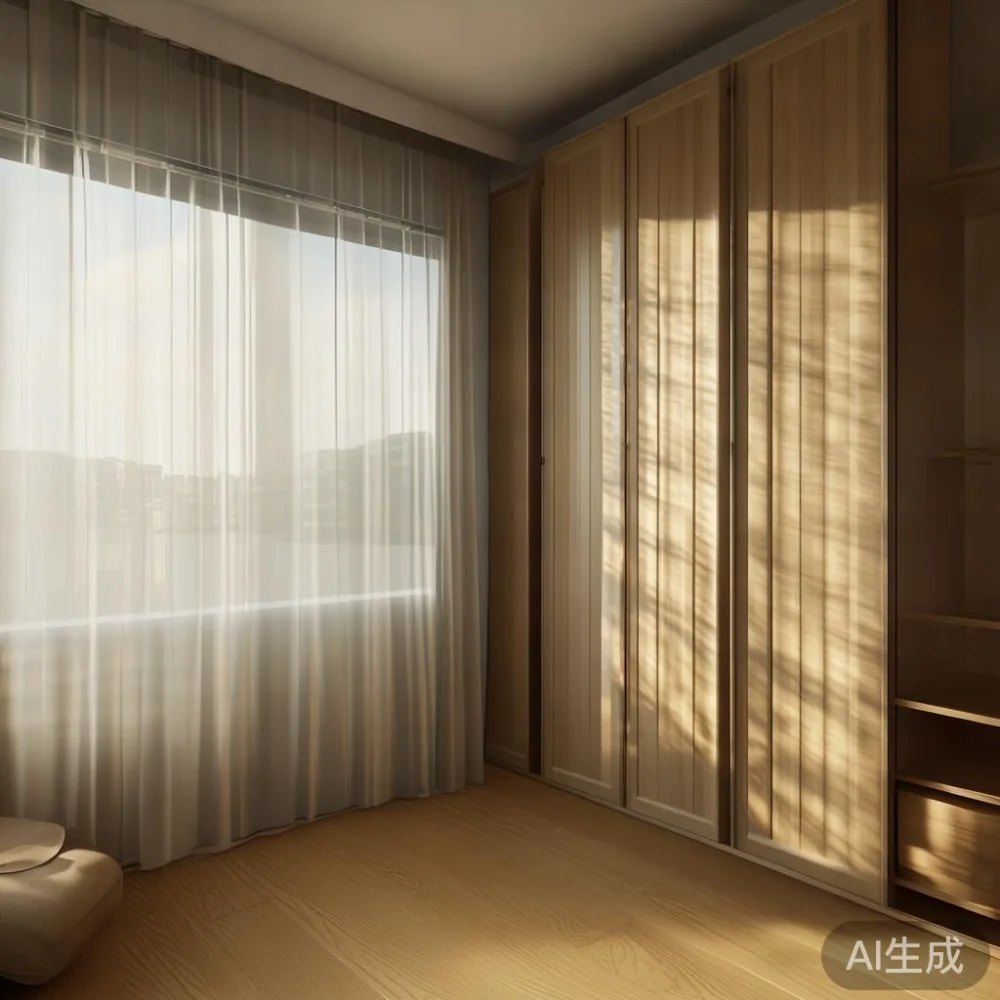
The Upfront Price Tag: A Singaporean Perspective
The most immediate difference between the two options is the purchase price. In Singapore's furniture market, veneer storage wardrobes are generally positioned as the more affordable entry-level option. A standard 180 cm wide veneer wardrobe from a reputable local brand might be priced between SGD 1,200 and SGD 1,800. This price point makes it accessible for many homeowners, especially those furnishing a new HDB flat or condo on a tighter budget.
Solid wood storage wardrobes command a premium. The same 180 cm width wardrobe constructed from solid oak or walnut could cost anywhere from SGD 2,500 to SGD 4,500 or more. This higher cost reflects the material itself, the more complex craftsmanship required, and the durability associated with the product. For example, my colleague recently purchased a solid teak storage wardrobe for her new Bedok apartment. She paid SGD 3,200 for a model that included three internal drawers and a hanging section. While the initial outlay was steep, she justified it by viewing it as a long-term investment that would not need replacement for many years.
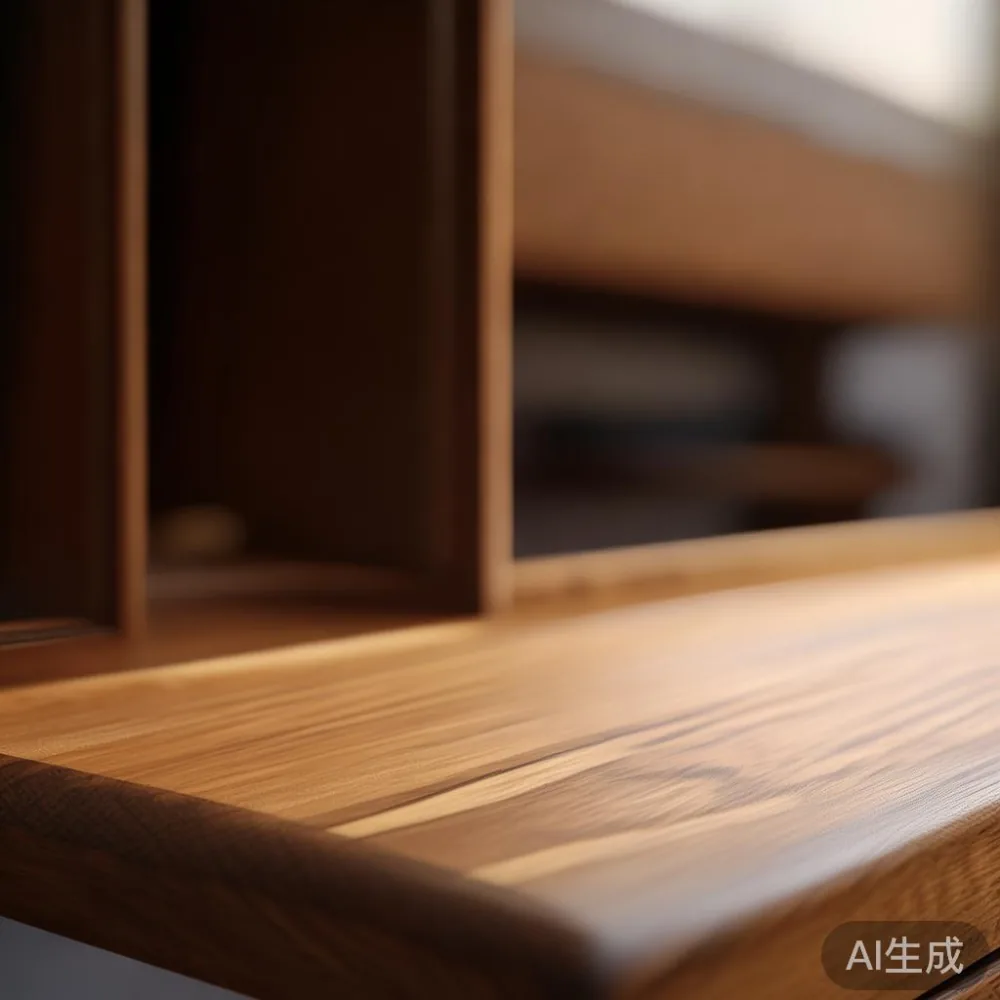
Longevity and Maintenance Costs: The 5-Year Reality Check
The true cost of a piece of furniture is revealed not at the point of sale, but over its lifespan. This is where the veneer versus solid wood comparison becomes most interesting. Veneer is susceptible to environmental changes. Singapore's high humidity levels, averaging around 80%, can cause the thin wood layer to warp, peel, or crack over time. Minor scratches and dings are also more problematic. A deep scratch on a veneer surface can be difficult to repair without revealing the substrate underneath, often requiring a complete refinishing job, which can cost SGD 300 to SGD 600 for a wardrobe.
Solid wood, in contrast, is renowned for its durability and resilience. It is more forgiving of minor impacts and can withstand Singapore's climate much better. Solid wood storage wardrobes are designed to last for decades. A high-quality piece will develop a beautiful patina over time, adding to its character. Maintenance is simpler and less frequent. A simple wipe-down with a wood-safe cleaner and occasional polishing is usually sufficient. The ability to sand and refinish a solid wood wardrobe multiple times over its life means it can be restored to its original condition, effectively giving it a 'second life' and eliminating the need for replacement.
How Do Aesthetics and Resale Value Factor In?
Beyond cost, the aesthetic appeal and future value are important considerations. Solid wood offers a timeless, premium feel. The natural grain and depth of colour are impossible to replicate perfectly with veneer. For homeowners who appreciate light-luxury design, a solid wood wardrobe can serve as a statement piece that complements other furniture like a solid wood bed frame or a marble table. The post-modern light luxury trend, which favours clean lines and natural materials, is particularly well-suited to high-quality solid wood pieces.
Veneer can look good initially, but it often lacks the same sense of depth and authenticity. Over five years, as it begins to show signs of wear, its aesthetic value diminishes. This directly impacts its resale value. A well-maintained solid wood storage wardrobe will hold a significant portion of its value, often being resold for 40-60% of its original price on platforms like Carousell. A five-year-old veneer wardrobe, on the other hand, typically has a very low resale value, often being sold for a fraction of the original cost or simply discarded. This hidden cost of depreciation is a major factor in the long-term financial equation.
Is a Solid Wood Storage Wardrobe Really Worth the Investment for Singapore Homes?
This is the question every homeowner in Singapore asks when faced with the price difference. The answer depends on your priorities, but a detailed analysis suggests that for many, the solid wood option is the more economical choice over a five-year period. Let's break it down with a hypothetical scenario for a 2-bedroom HDB flat in Tampines.
Scenario: A 5-Year Cost Analysis for a Primary Bedroom Wardrobe
Option A: Veneer Storage Wardrobe
- Initial Purchase Price: SGD 1,500
- Repair & Maintenance (Year 3): SGD 400 for fixing peeling veneer and scratches
- Replacement Cost (Year 5): The wardrobe is showing significant wear and is replaced with a new one at SGD 1,700 (adjusted for inflation)
- Total Cost over 5 Years: SGD 1,500 + SGD 400 + SGD 1,700 = SGD 3,600
Option B: Solid Wood Storage Wardrobe
- Initial Purchase Price: SGD 3,000
- Repair & Maintenance (Year 5): SGD 100 for polishing and wood oil treatment
- Resale Value (Year 5): SGD 1,500
- Net Cost over 5 Years: SGD 3,000 + SGD 100 - SGD 1,500 = SGD 1,600
In this scenario, the solid wood option results in a net cost of SGD 1,600 over five years, compared to SGD 3,600 for the veneer option that required replacement. This calculation does not factor in the inconvenience and cost of disposal and delivery for the replaced wardrobe. For a family in a Punggol condo, coordinating disposal within building regulations and arranging for new delivery can be an additional hassle and expense.
Making the Right Choice for Your Space and Style
Ultimately, the decision between veneer and solid wood should also consider your personal style and the specific demands of your living space. If you are furnishing a small condo bedroom where a lighter-weight piece is easier to manoeuvre through narrow corridors, a veneer wardrobe might be a practical short-term solution. However, if you are planning to stay in your HDB flat for the long term and want a piece that will grow with your home, solid wood is the superior choice.
For those drawn to a more refined, classic aesthetic, the question of how to choose French provincial bed often extends to the entire bedroom suite. A solid wood wardrobe in a light oak finish can beautifully complement a French provincial style. Similarly, if your design preference leans towards the clean, organic forms of Mid-century modern with storage, a solid walnut wardrobe would be the perfect anchor for the room. The versatility of solid wood allows it to adapt to various light-luxury styles, from the ornate details of a MIDHILL French provincial sofa to the minimalist lines of a how to choose Mid-century modern bed frame.
When considering a dining area, the principle of quality over cost applies equally. A Vintage for dining room look can be achieved with a solid wood dining table that will last for generations, unlike a veneer alternative that may not withstand the wear and tear of family meals. The same goes for other pieces; a how to choose French provincial bed is an investment in the bedroom's foundation, just as a solid wood nightstand is. Looking ahead, trends like 2026 Italian light luxury furniture continue to emphasize natural materials and superior craftsmanship, reinforcing the value proposition of solid wood. A MIDHILL sofa or a marble table from a maker that prioritises solid construction will always provide a better return on investment than a cheaper, less durable alternative.