The True Cost of Your Wardrobe: A 5-Year Veneer vs. Solid Wood Analysis for Singaporean Residences
In the context of Singapore living, where space is a premium and a home's aesthetic is a reflection of personal taste, the choice of a storage wardrobe is a significant one. The decision often boils down to two primary materials: veneer and solid wood. While the initial price tag of a veneer wardrobe might seem more appealing, a long-term perspective reveals a different story. This article provides a detailed, 5-year cost comparison between these two options, factoring in local Singaporean conditions like HDB and condo dimensions, delivery logistics, and the impact of GST. We will explore the tangible and intangible costs, from initial purchase and delivery to maintenance and eventual replacement, to help you make an informed decision for your home in areas like Tampines, Bedok, or Punggol.
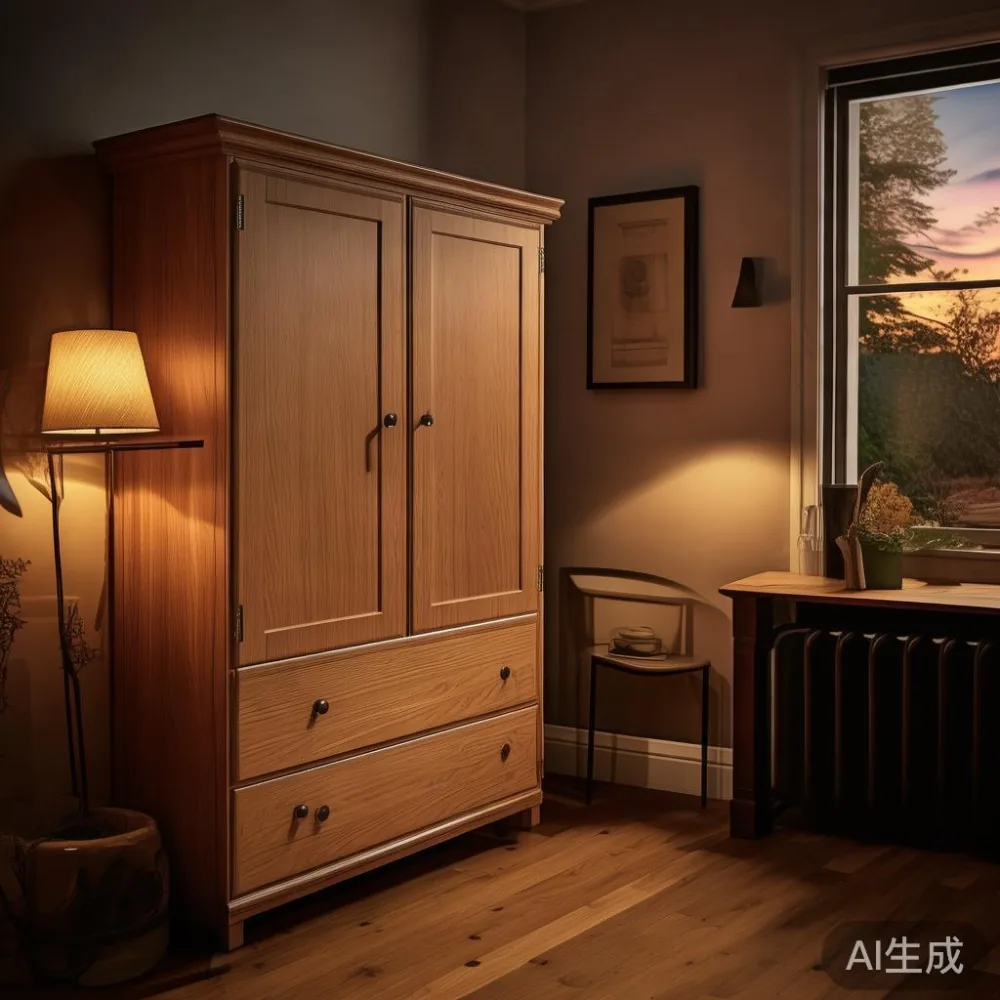
Understanding the Materials: Veneer and Solid Wood in a Singapore Context
Before diving into the numbers, it is important to understand the fundamental difference between these two materials. A veneer wardrobe consists of a thin layer of real wood, often just 0.6 to 1.2 millimetres thick, applied over a core made of engineered wood like MDF (Medium-Density Fibreboard) or particleboard. This core material is lightweight and cost-effective to produce. The finish is then applied on top of the wood veneer. In a Singapore HDB flat, where many corridors and lift lobbies have standard widths of approximately 1.2 metres, the lightweight nature of veneer can make them easier to manoeuvre during the move-in process.
A solid wood wardrobe, on the other hand, is crafted from a single, solid piece of timber, such as oak, walnut, or teak. The entire structure, from the main frame to the internal shelves and drawers, is made from this solid plank. This results in a piece of furniture that is significantly heavier, with a wardrobe of this construction weighing between 80 kg and 120 kg, compared to a veneer counterpart that might weigh between 50 kg and 70 kg. This weight difference is a critical consideration for Singaporean homeowners, especially those living in older HDB blocks with narrower lifts or in condos with specific moving regulations. The sheer heft of a solid wood wardrobe requires careful planning for delivery and placement within the home.
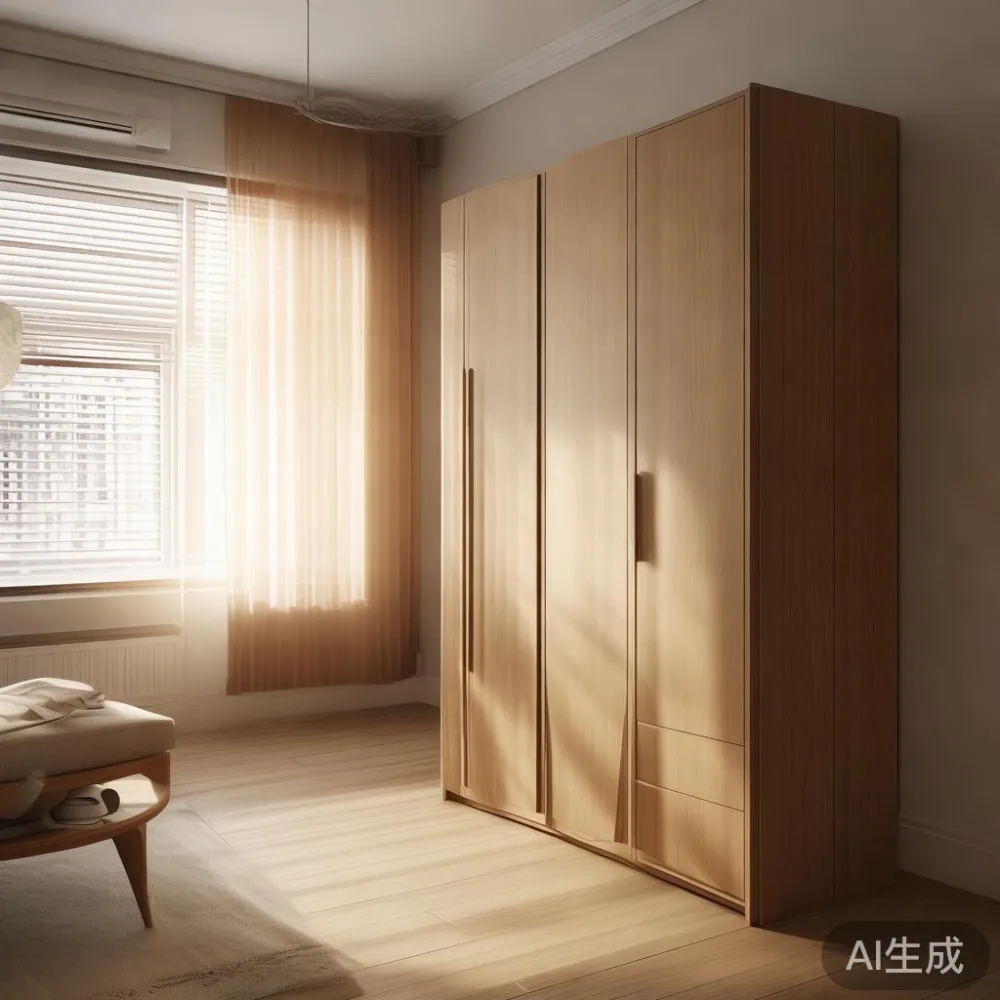
Initial Purchase Price: The Upfront Investment
The most apparent difference between veneer and solid wood storage wardrobes is the initial purchase price. A standard 180 cm wide by 60 cm deep by 220 cm tall veneer wardrobe, a common size for Singapore master bedrooms, typically retails between SGD 800 and SGD 1,500. This price point makes it an accessible option for many families. The lower cost is directly tied to the less expensive engineered wood core and the more efficient manufacturing process.
In contrast, a solid wood wardrobe of the exact same dimensions commands a significantly higher price. The same-sized solid oak or walnut wardrobe will generally start from around SGD 2,500 and can easily exceed SGD 4,500 depending on the wood species and design complexity. This price reflects the material cost, the longer construction time, and the higher level of craftsmanship involved. For a homeowner in a Punggol executive condominium looking to furnish a new apartment, this initial investment can be a major factor in the budget. However, it is important to view this price not as an expense, but as the first instalment in the total cost of ownership over a 5-year period.
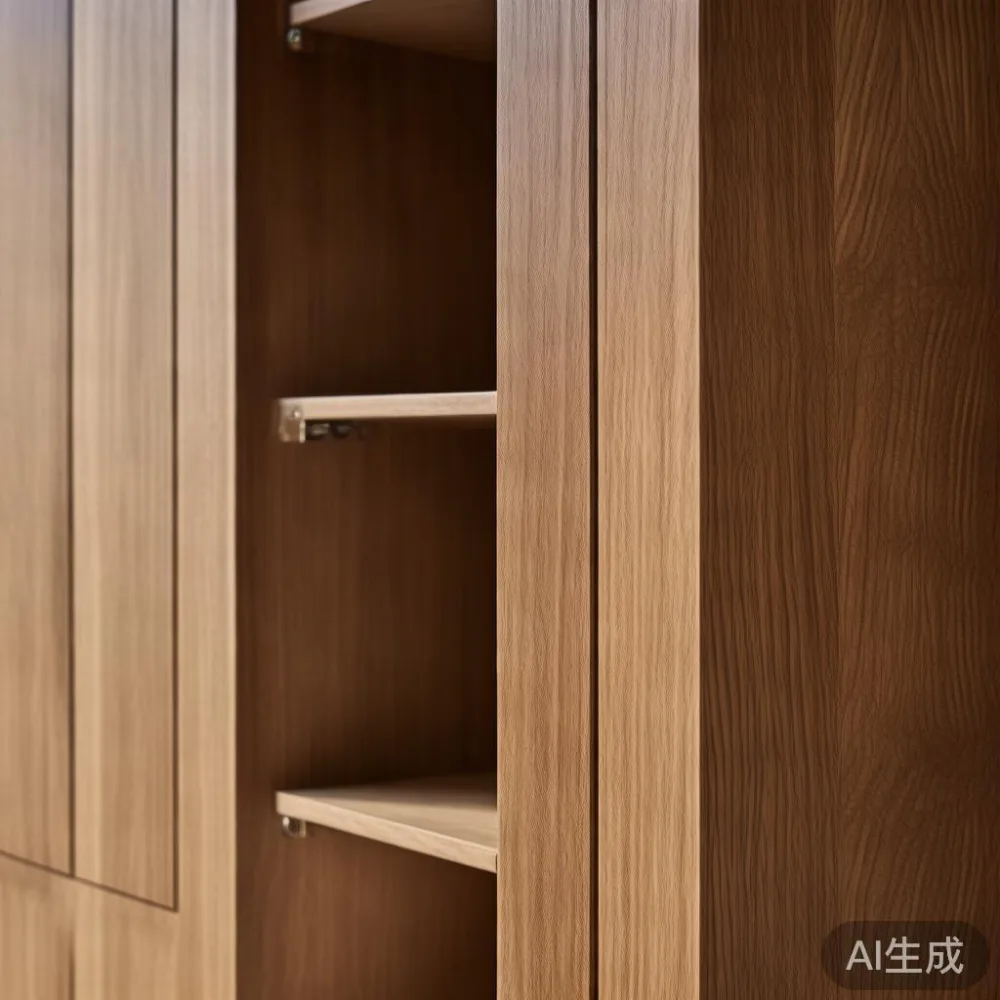
Delivery and Installation: The Singaporean Logistics
Once the purchase is made, the next cost to consider is delivery and installation. For veneer wardrobes, delivery is often straightforward. Many local retailers in Singapore offer free shipping for orders over SGD 350, which a wardrobe purchase would easily meet. The delivery process for a lightweight veneer unit is quick, often taking a single team of two movers about 30 minutes to an hour to position the wardrobe in the bedroom. The risk of damage during this process is relatively low, and installation is usually as simple as placing the wardrobe against the wall.
Delivering a solid wood wardrobe is a more complex and costly affair. Due to its weight, it may require a specialised delivery team of three or four people. The delivery process can take up to 90 minutes, with extra care needed to protect the piece from dings and scratches. While many reputable brands, including some like MIDHILL, offer complimentary shipping, the logistical effort is greater. Also, manoeuvring a 100 kg solid wood wardrobe through a standard HDB corridor (approx. 1.2m wide) or into a lift requires precision. My colleague, Sarah, who lives in a Bedok HDB flat, recounted her experience with her solid wood dining table: 'The delivery team had to remove the door from the frame just to get it into the lift. It was an hour-long operation, but they were professionals.' This level of logistical support is often factored into the service quality of solid wood furniture providers.
Long-Term Maintenance and Refinishing Costs
Here is where the true cost difference begins to emerge over the 5-year period. A veneer wardrobe is susceptible to environmental changes. The high humidity in Singapore can cause the thin wood veneer to warp, bubble, or peel at the edges over time. Minor scratches and dings are also more difficult to repair without revealing the engineered wood underneath. A deep scratch on a veneer surface might require professional repair services costing SGD 150 to SGD 300, depending on the extent of the damage. If the finish becomes dull, the only option is often to apply a new layer of polish or lacquer, which is a temporary fix that may not restore the original look.
A solid wood storage wardrobe offers a starkly different long-term value proposition. Solid wood is naturally more resistant to warping and can withstand Singapore's humidity much better. More importantly, it is designed to be refinished. A solid wood wardrobe can be sanded down and refinished multiple times over its lifespan. A professional refinishing service in Singapore typically costs between SGD 800 and SGD 1,500 for a full wardrobe, and this process can restore the piece to a like-new condition. Some manufacturers, like those with a long-standing reputation, offer a lifetime refinishing service. This means that for the cost of a single repair on a veneer piece, you can completely rejuvenate a solid wood wardrobe, effectively resetting its aesthetic and structural integrity for another decade. This potential for renewal is a key factor in its long-term value.
Is a Solid Wood Wardrobe Really Worth the Higher Initial Cost?
This is the question many homeowners grapple with. To answer it, let's construct a 5-year cost comparison for a hypothetical homeowner in a Tampines HDB flat. We will assume a GST rate of 9% applied to all purchases and services.
Scenario 1: The Veneer Wardrobe
- Initial Purchase (SGD 1,200): The base price of the wardrobe.
- Delivery (SGD 0): Included with the purchase.
- Year 1-2 Maintenance (SGD 0): No issues initially.
- Year 3 Repair (SGD 180): A scratch on the door panel requires professional touch-up.
- Year 5 Replacement (SGD 1,320): By year 5, the finish has significantly faded, and the MDF core is showing signs of sagging at the bottom. The homeowner decides to replace it. The cost includes a new wardrobe (SGD 1,200) and delivery (SGD 120).
Total 5-Year Cost for Veneer: SGD 1,200 + SGD 180 + SGD 1,320 = SGD 2,700
Scenario 2: The Solid Wood Wardrobe
- Initial Purchase (SGD 2,800): The base price of a high-quality solid oak wardrobe.
- Delivery (SGD 0): Included with the purchase.
- Year 1-5 Maintenance (SGD 0): The wardrobe is maintained with regular dusting and polishing. No structural issues arise.
- Year 5 Refinishing (SGD 0): The homeowner opts for a complimentary lifetime refinishing service offered by the manufacturer. The wardrobe is restored to its original condition at no cost.
Total 5-Year Cost for Solid Wood: SGD 2,800
As this simplified model shows, over a 5-year period, the total cost of ownership is nearly identical. However, the veneer homeowner has a brand-new, but likely lower-quality, wardrobe at the end of 5 years, while the solid wood homeowner has their original, beautifully restored wardrobe. This calculation doesn't even factor in the inconvenience of having to shop for, deliver, and assemble a new piece of furniture. For those who appreciate the aesthetic of 2026 European light luxury furniture, the timeless appeal and durability of solid wood are undeniable.
The Aesthetic and Resale Value: An Intangible Cost Benefit
Beyond the financials, the aesthetic and functional longevity of a solid wood wardrobe must be considered. The grain, texture, and colour of solid wood deepen and become more characterful with age. A solid oak wardrobe can develop a rich patina that adds warmth and history to a bedroom. A veneer wardrobe, however, tends to look dated and worn as its thin layer of finish degrades. The question of is Mid-century modern wardrobe worth it often hinges on this very point of enduring style versus fleeting trends.
Also, solid wood furniture holds its value remarkably well. Should a homeowner in a condo decide to move or upgrade, a well-maintained solid wood wardrobe can often be resold for a significant portion of its original price. A 5-year-old solid wood wardrobe might retain 40-50% of its value, whereas a 5-year-old veneer wardrobe would have negligible resale value, in effect becoming a bulky item to be disposed of. This potential resale value is a financial benefit that is rarely factored into the initial purchase decision but represents a real saving when moving homes or redecorating.
For those who appreciate a specific style, such as French provincial, the material choice is paramount. The intricate details and luxurious feel of a French provincial coffee table are only possible with the superior workability and quality of solid wood. Similarly, achieving the clean lines and minimalist elegance of a Japandi sofa in apartment settings is best done with furniture that has honest, natural materials. A solid wood wardrobe fits smoothly into these design philosophies, offering a piece that is not just functional but also a statement of quality and taste.
Choosing Your Perfect Wardrobe: A Final Consideration
The choice between a veneer and a solid wood storage wardrobe ultimately depends on your personal priorities. If your primary concern is the lowest possible initial cost and you are prepared to replace the furniture every few years, a veneer wardrobe might meet your immediate needs. However, if you view a wardrobe as a long-term investment in your home's comfort, style, and value, then solid wood is the clear winner.
The decision is about more than just wood; it's about the kind of life you want to build around your furniture. A solid wood wardrobe becomes a silent, sturdy companion through years of changing seasons, family events, and personal growth. It is an anchor in the bedroom, a piece of functional art that ages gracefully. When considering how to furnish a space for the long term, the question of how to choose French wardrobe or any other style leads back to the core principle of material integrity. For sale Post-modern furniture often highlights clean lines and innovative design, but without the substance of solid materials, it can feel transient. A solid wood wardrobe provides the substance to support any design vision, ensuring it remains beautiful and functional for decades to come.