How to Care for a Lacquered Storage Wardrobe in a Tropical Climate
A lacquered storage wardrobe can look calm, glossy and precise in a Singapore home, but the local climate asks more of its finish than a dry bedroom in Paris or Chicago. Humidity, warm air, salt, dust and repeated hand contact work slowly around a surface. For residents of HDB flats in Tampines, Bedok and Punggol, or for owners of compact condos, good wardrobe care means controlling moisture, using gentle methods and keeping doors from trapping damp air against the panels.
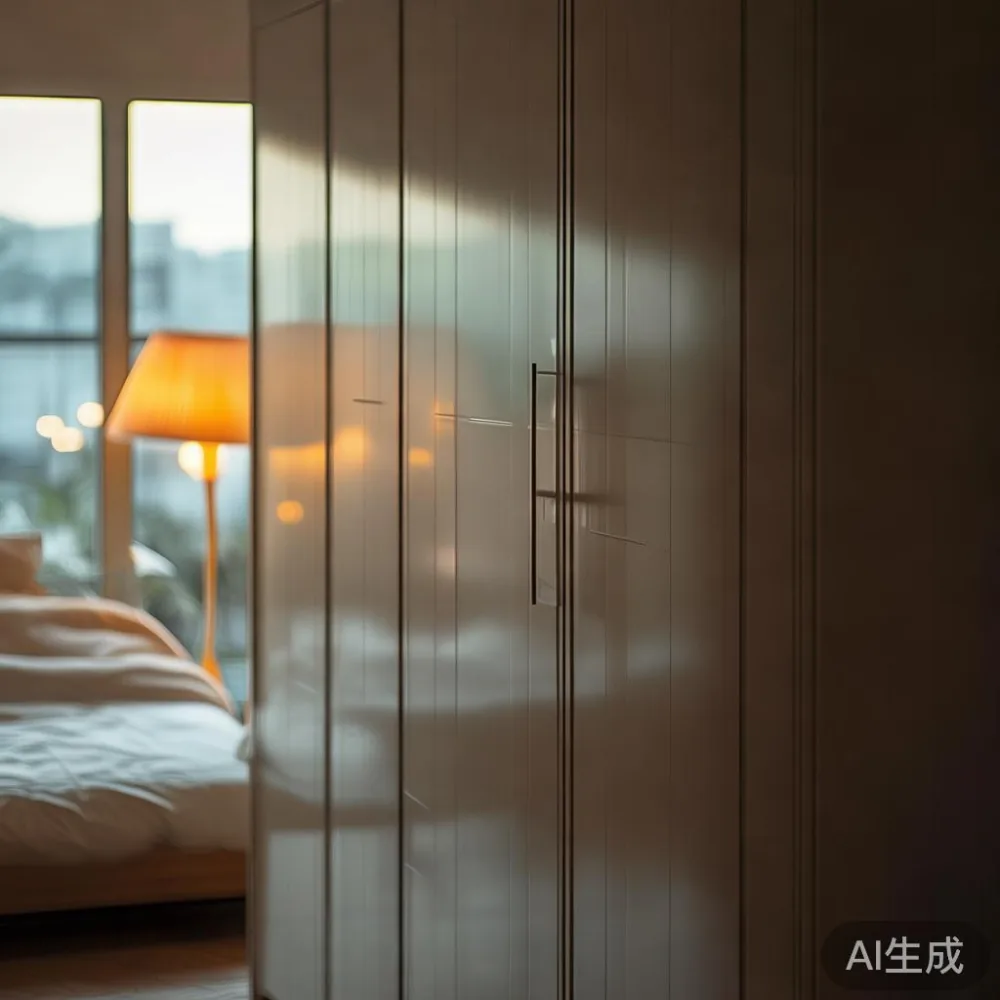
MIDHILL designs lacquered storage wardrobes for practical interiors where restrained colour, clear storage zones and fine joinery matter. The same finish can sit comfortably beside a solid wood sofa, a solid oak bed frame, a dining table, a marble table or a nightstand without making the room feel busy. This guide focuses on lacquer care for wardrobes and the small routines that protect the appearance and structure of each door, drawer and interior panel.
Why does lacquer need special care in Singapore?
Singapore’s outdoor air often carries substantial moisture, especially during the warmer months and shorter rainstorms. An interior may remain around 26–30°C and 55–75% relative humidity, while a corridor, lift lobby or near-window position can experience brief changes of several degrees. A lacquered surface does not swell like unfinished timber, but its appearance can still suffer when water, heat and contaminants linger.
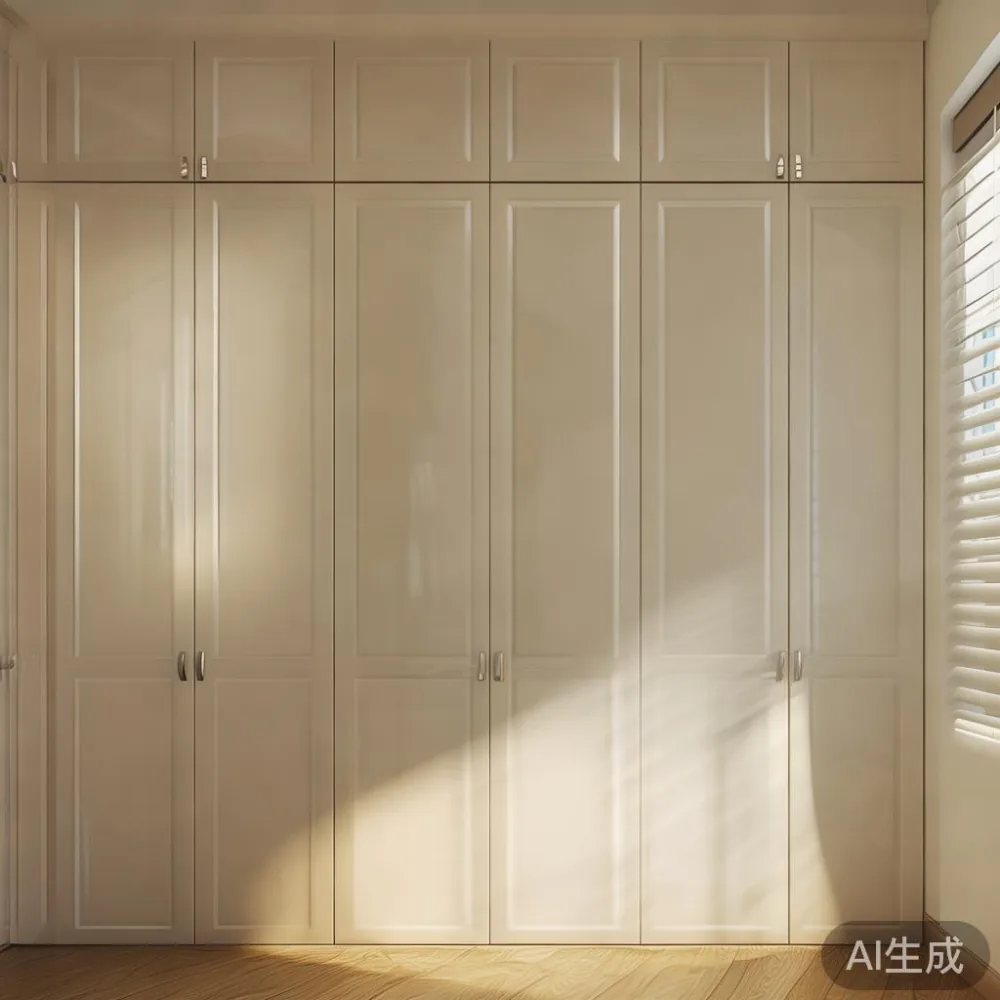
Glossy lacquer shows fingerprints, fine dust and cleaning streaks more readily than a matte or heavily textured finish. Yellowish undertones may also become more visible under warm LED lighting. A storage wardrobe with closed doors protects its contents from dust, but it can conceal a damp patch, sticky handle or residue until the damage has already begun.
Think about the route from the lift to the bedroom. A 35 cm wide wardrobe may fit through a standard HDB bedroom door but can be difficult to turn through a 90 cm corridor. Moving an unprotected lacquered panel around a narrow corner creates knocks that a soft blanket, corner guards and 2-person lifting can prevent. If the route is less than 45 cm at the tightest point, measure before delivery rather than discovering the restriction on moving day.
What supplies should I keep for a lacquered storage wardrobe?
Keep a compact care kit with 2 soft microfibre cloths, 1 mild pH-neutral soap, 1 clean spray bottle, 1 soft nylon brush and several cotton swabs. Add 2 felt pads for furniture legs or floor protection, and a small torch for checking drawer runners. The total kit can fit in a shoebox measuring roughly 30 × 20 × 10 cm, which is useful in a household already managing limited storage.
Fill the spray bottle with 1 teaspoon of mild dishwashing liquid per 500 ml of lukewarm water. Foam the solution on one cloth rather than spraying the wardrobe directly. Test it on a concealed 5 × 5 cm area and wait 24 hours. The cleaner should not create a dull ring, streak or tacky patch. Avoid acidic cleaners, bleach, ammonia, alcohol, silicone polish and abrasive cream; these can attack the lacquer or leave an uneven sheen.
For weekly wiping, a barely damp cloth is enough. For handles and drawer fronts, diluted soap on a separate cloth removes skin oil more effectively. Cotton swabs can reach the narrow seam beside a handle, where a larger cloth may leave residue. Use a soft brush along vents, rail recesses and the tops of shelves, moving gently rather than digging dust into a joint.
How should I clean the doors, drawers and interior?
Start with the least aggressive method: dust the surface with a dry microfibre cloth. If marks remain, dampen the cloth with the diluted soap mixture and wipe in the direction of the grain or sheen. Wipe again with a second clean cloth dampened with water, then dry with a third dry cloth. The whole panel should be left free of visible moisture within 10 minutes.
Never soak a lacquered panel, flood the edge of a drawer or spray into a hinge. For a storage wardrobe with rails, shelves and hanging compartments, vacuum with a brush attachment at low suction. Keep the nozzle about 2–3 cm from vents so it does not pull a fitting loose. Remove clothes and use diluted soap on the shelf edges only where residue is visible.
A small stain may be lifted with a cotton swab, but repeated scrubbing can create a matte spot. If the mark remains after 2 careful attempts, stop. A refinishing service may be more appropriate than further friction. This is why a 10-year structural warranty and lifetime refinishing option are useful when a lacquered storage wardrobe is specified for a long-term home.
How can humidity affect a storage wardrobe?
Keep relative humidity in the bedroom near 45–60% where possible. A hygrometer placed on a shelf can help you track changes without taking up much room. Singapore homes may not reach those levels consistently without controlled cooling, so the wardrobe itself should not be treated as a sealed moisture barrier.
Leave a gap of at least 3–5 cm behind freestanding units when the wall permits it, and avoid pushing the back panel tightly against a cool exterior wall. Do not place the wardrobe immediately beside a bathroom or kitchen recess where warm, damp air collects. If condensation appears on a metal rail or door edge, improve ventilation and check the air source rather than simply polishing the mark away.
Use a dehumidifier when the room regularly reads above 65%. A compact unit rated around 12–20 litres per day is usually sufficient for a bedroom, although the correct capacity depends on floor area, ventilation and how often the door is opened. Running it for 2–3 hours after showering can help, but measure the outlet because moisture carried through an unventilated wardrobe can condense on a cool panel.
Open the doors for 10–15 minutes after a long period of closure. Hanging heavy clothes in a closed compartment can restrict airflow, so leave one section lightly loaded or periodically rotate heavier items. A moisture absorber placed near—not on—the base of a compartment can assist in a tightly closed unit, but it must be replaced according to its instructions.
How do sunlight, heat and pests affect lacquer?
Direct sunlight can fade both lacquer and adjoining textiles over time. Keep a storage wardrobe away from a west-facing window where possible, or use a curtain with a light-filtering fabric that blocks roughly 60–80% of visible light while preserving daylight. A bed frame, nightstand or marble table in the same room should also be protected from sudden changes in brightness.
Keep the unit at least 15–30 cm from a fan heater, air-conditioner outlet or recessed light where heat and airflow can dry or stress the surface. In Singapore, a ceiling air-conditioner does not need to heat the wardrobe, but a poorly insulated balcony or enclosed corner can still become warm. Aim for stable conditions rather than repeated swings between cool and hot conditions.
Inspect for insects once every 2 months, especially if the wardrobe holds natural fibre clothing, blankets or untreated timber items. Check seams, drawer corners and the base for grit, webbing or frass. Wipe the surrounding floor first, because moving a wardrobe transfers insects more often than stationary storage does. Do not apply insecticide directly to lacquered panels.
Can minor scratches and dull patches be repaired safely?
First establish whether the mark is on the lacquer or on the moving hardware. A loose drawer runner may scrape a panel every time it opens, while a misaligned hinge can rub a small arc near the edge. Tighten or adjust the hardware before treating the surface. The cause of a recurring mark is usually more important than the mark itself.
For a light fingerprint, the diluted cleaning method is normally sufficient. For a very fine scuff, a clean, soft cloth with minimal pressure may restore the sheen after cleaning. Never use a kitchen sponge with its abrasive green layer, steel wool, eraser grit or a hard brush. Those methods can cut the coating and leave a repair that is visible in raking light.
Deeper chips expose the preparation layer or timber beneath the lacquer. Do not fill them with marker paint, furniture wax or paint from a tin. Photograph the area in daylight, note its approximate size in millimetres, and ask the furniture maker about refinishing. If a replacement panel or finish sample is possible, the colour can be matched more accurately than an improvised household repair.
How should I prepare a lacquered wardrobe for delivery?
Delivery preparation matters in high-rise homes. Clear the route from the lift, through the corridor and into the bedroom, and reserve a parking bay for the delivery vehicle where required. Check whether the building imposes a loading-time or material-handling charge. MIDHILL offers free shipping on orders over US$350, but a Singapore delivery quote should still confirm the exact service level, timing and any lift-booking fee before the wardrobe is dispatched.
Typical production and delivery can take 20–45 days for a made-to-order storage wardrobe, depending on finish, size and current workshop capacity. Confirm whether the quoted lead time includes the arrival of the piece or simply its dispatch. Request 2 delivery photos before the unit leaves the workshop: one of the protected outer corners and another of the labelled panels. On arrival, inspect for movement, dents and moisture marks before the packaging is removed.
Measure the delivery lift and corridor carefully. Leave 5–10 cm of maneuvering space for packaging, angled turns and a flat trolley. For an HDB lift, note the door width and cabin depth; for a condo, ask about the service lift reservation, floor protection and the maximum trolley size. A wardrobe that fits the bedroom door but not the corridor needs a planned pivot, not an improvised lift by the stairs.
In Singapore, displayed prices should be clear about GST. A price quoted in SGD should state whether 9% GST is included, and the invoice should show the taxable amount and tax separately. This avoids confusion when comparing a lacquered storage wardrobe with a dining table, solid wood sofa or other larger purchases.
How do I keep a lacquered wardrobe looking refined?
Use the wardrobe as part of a restrained light-luxury composition rather than a separate display object. French light luxury often favours pale timber, curved profiles, muted fabrics and tactile details. If you are learning how to style French wardrobe in bedroom, focus on one warm lamp, linen curtains and a simple palette rather than crowding the doors with ornaments.
For a more formal approach, it helps to know how to choose European light luxury bed when the wardrobe and bed frame share a room. Align the bed’s visual centre with the main wardrobe panels, keep at least 60 cm of clear circulation beside the bed where possible, and repeat one colour across the wardrobe, bedding and nightstand. The same thought applies to Italian light luxury with storage: clean lines and proportionate cabinetry can create an elegant room without excessive decoration.
If the bed design is under consideration, Japanese bed vs Mid-century modern bed is less about matching every line and more about balancing visual weight. A low Japanese platform can work with a tall lacquered storage wardrobe, while a mid-century modern bed may pair well with flatter cabinet fronts. Add a small marble table only if its finish is not competing with a reflective wardrobe; veining, gloss and metal can quickly make a compact bedroom feel busier.
Post-modern for small living room is useful where a connected studio or open bedroom zone needs storage. A storage wardrobe can define the sleeping area, while a compact solid wood sofa nearby establishes the lounge zone. In a studio, maintain at least 75–90 cm between the sofa and circulation path where possible, and use a nightstand that fits within 35–45 cm of the bed edge.
For a classic bedroom, how to style French provincial wardrobe in room can guide the choice of curved handles, cream paintwork and traditional furniture shapes. Against a glossy lacquered surface, keep accessories simple: 1 framed print, 1 ceramic vessel and 1 textile with a controlled pattern are usually enough. The wardrobe should remain visually legible, with dust-free panels and aligned doors.
Finally, include a MIDHILL TV console only if the room genuinely needs one and its proportions suit the space. A low console should sit about 10–15 cm away from the wall for cable management and should not block the wardrobe’s ventilation gap. The point is coordinated storage, not filling every surface with furniture.
What is the simple maintenance schedule for Singapore?
Each week, dust the doors and handles with a dry microfibre cloth. Every 2 weeks, inspect the floor and corners for grit, then clean the handles with diluted soap if needed. Every month, open the drawers, check the runners and wipe visible shelf edges. Every 3 months, review the room humidity, rotate lightly used clothes and check the protective feet.
After a major renovation, air the room for 24–48 hours before closing the storage wardrobe. During that period, inspect for dust and paint specks. If a new lacquered panel arrives, allow it to acclimatise in the bedroom for 24 hours before pressing items against it. This reduces the chance of trapping construction dust or dampness inside the compartments.
For a lacquered storage wardrobe, consistency matters more than aggressive cleaning. A 10-minute weekly wipe, a 2-minute humidity check and a careful delivery plan can preserve the finish for years. If the surface does suffer a deep scratch, a swelling panel or a repeated rubbing mark, contact the maker with photographs and measurements rather than masking the issue. Proper care keeps the wardrobe functional, the room calm and the finish ready for daily use in Singapore’s changing humidity.