Singapore Furniture Warranty: Buyer's Guide for Warranty Reading
I learned the hard way that a furniture warranty is only as useful as the small print that surrounds it. Two years ago I bought a laminated "solid wood" wardrobe from a Tampines HDB furniture fair, and within fourteen months the side panels had bowed so badly the doors would not close. The vendor waved a glossy brochure at me and said "two-year warranty, no worries." The catch lived on page three: laminated panels and warping were explicitly excluded. I had handed over SGD 2,150 for what was, in warranty terms, a cardboard promise. That is the day I started reading every clause before signing anything, and it is also why I now visit MIDHILL’s Foshan showroom once a year to compare how a serious solid wood manufacturer phrases its cover.
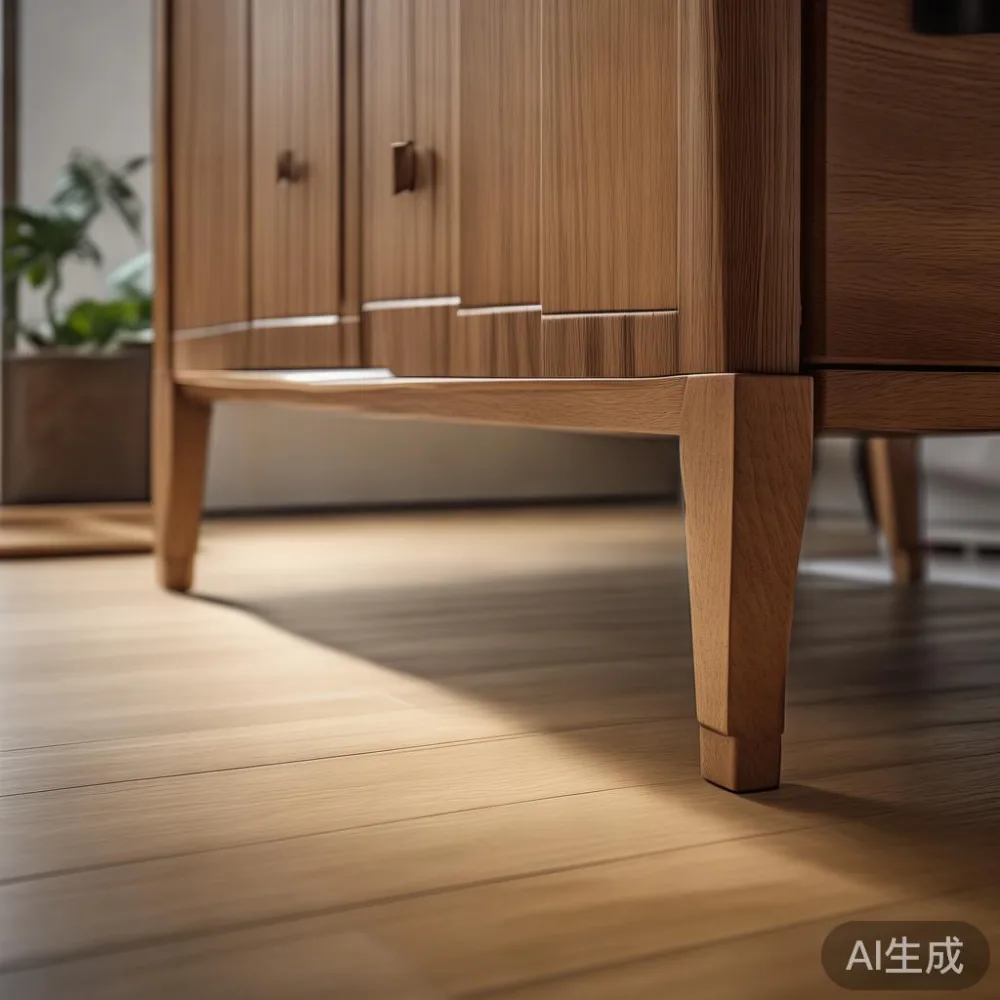
This guide walks you through the seven traps that catch Singapore buyers off guard, with specific reference to lift access in HDB blocks (typically 1.1 m wide doors, 2.1 m deep cars on newer models), corridor widths of around 1.2 m in older walk-ups, and the 9% GST that quietly inflates every replacement part. Whether you are buying a storage wardrobe for your Bedok five-room flat, a marble table for your Punggol condo, or a dining table that has to survive humid weather, the rules below apply.
What is the difference between French provincial bed and modern furniture?
A French provincial bed sits inside a wider French light luxury style that emphasises carved solid wood frames, cabriole legs, soft muted finishes and ornament drawn from 18th-century Loire châteaux; a "modern" bed — whether post-modern light luxury or Scandinavian-leaning — is built around flat planes, straight grain, exposed joinery and minimal hardware, and the two read so differently that putting one in a room designed for the other usually fails. The warranty consequences matter too: provincial carving and turned legs create stress points that manufacturers often cover only when humidity stays inside 40–60 percent, while modern flat-grain solid wood frames are easier to warrant against cracking because the timber movement is more predictable.
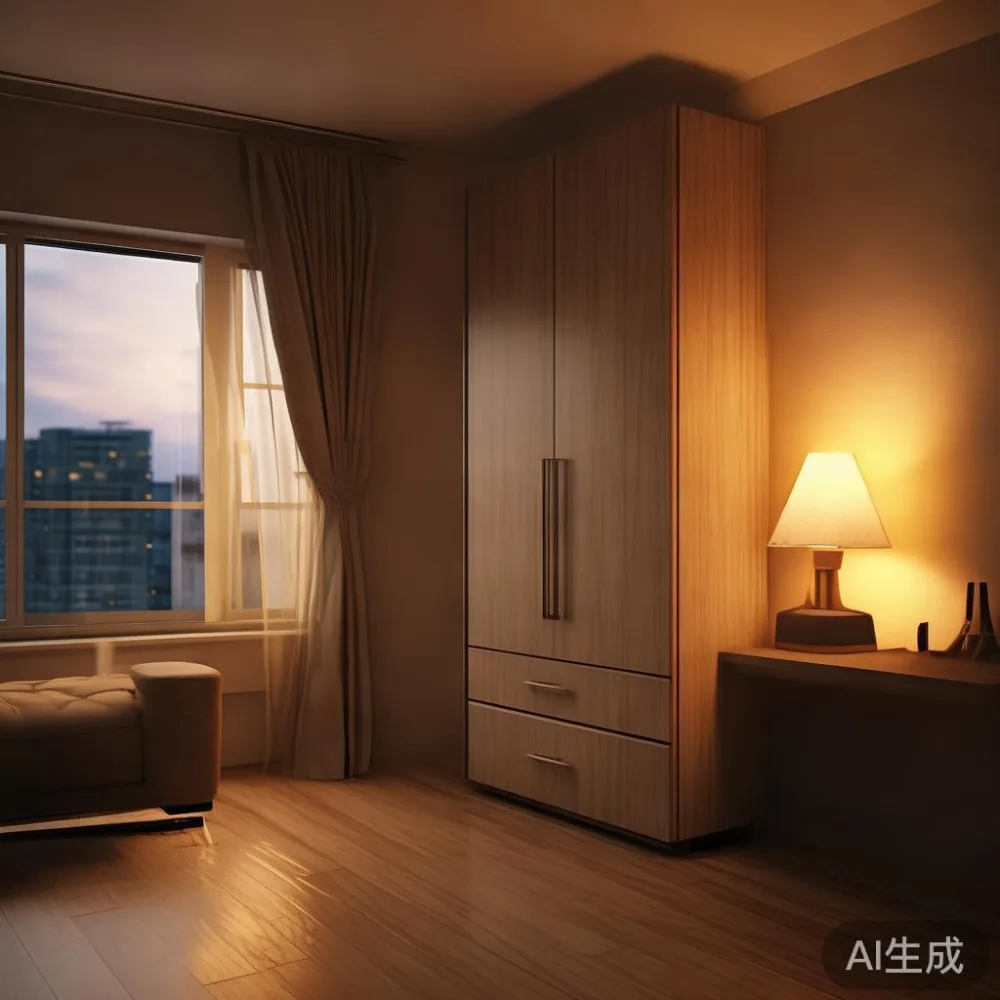
Why the brochure length tells you almost nothing
A warranty that runs to two printed pages in 14-point font is rarely longer than a one-page summary in coverage terms; it is just less legible. Look instead at the named exclusions list. A serious policy for a storage wardrobe, bed frame or dining table will list exactly what is not covered: warping beyond a stated millimetre tolerance (commonly 3 mm over a 1.8 m span), finish discolouration, insect attack on un-treated wood, water damage, and "acts of nature" — which in Singapore includes everything from a flash HDB corridor flood to the daily humidity swing between 65 percent at 7 a.m. and 95 percent during a thunderstorm. If those lines are missing, ask why. If they are present, ask for the measurement method.
Numbers that matter on a Singapore quote:
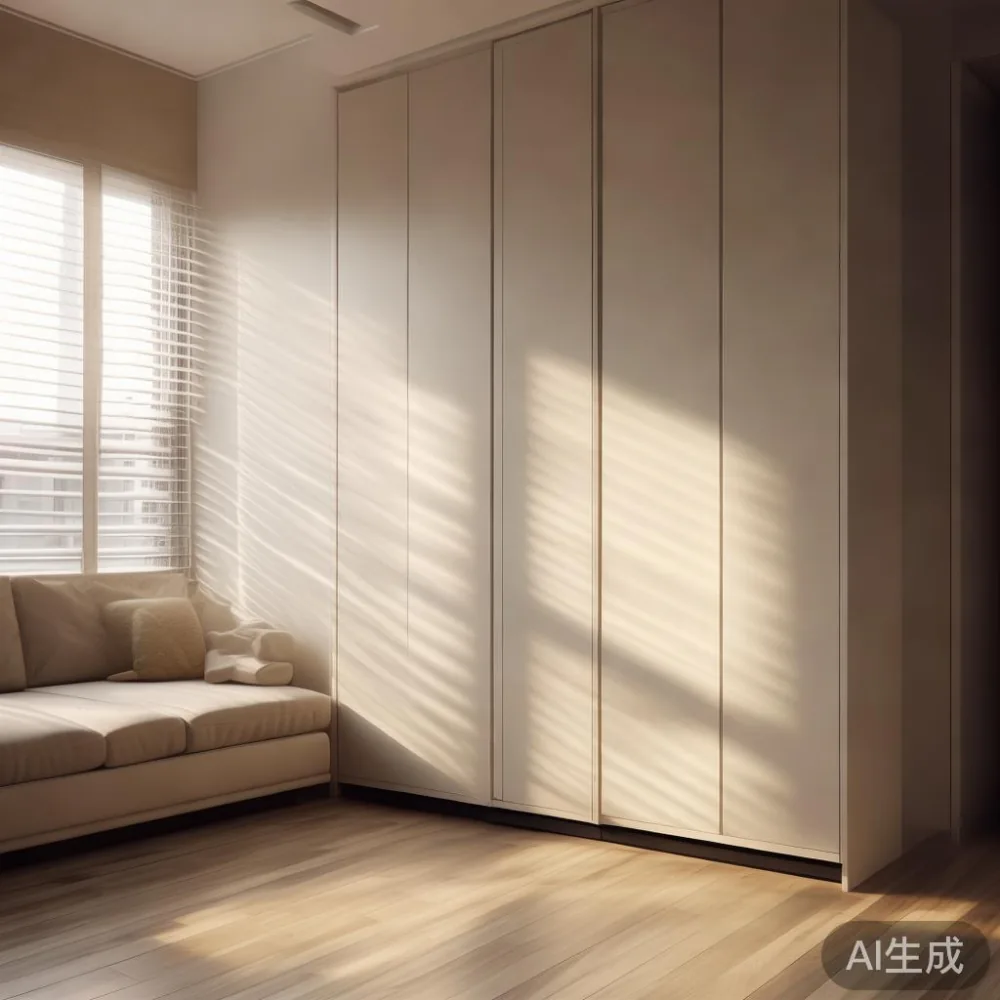
- Frame warranty: minimum 5 years, ideally 10. MIDHILL’s 10-year structural warranty sits at the upper end of the Foshan export market.
- Finish and hardware: 1–3 years is normal; anything beyond 5 years on a lacquered surface is unusual and worth asking how it is achieved.
- Soft-close hinges on a wardrobe: 25,000–50,000 cycles is the European benchmark; 10 years of normal family use works out to roughly 30,000 cycles.
- Solid wood thickness: drawer sides of 12 mm and cabinet backs of 9 mm are signs of a wardrobe built for the long haul; 6 mm backs are a budget giveaway.
Does "solid wood" in the brochure mean what you think it means?
In Singapore furniture marketing, "solid wood" frequently covers three very different constructions, and your warranty will quietly bind you to whichever one the seller actually shipped. Pure solid wood means every structural panel — sides, top, shelves, drawer fronts — is cut from a single timber species such as ash, oak, walnut or rubberwood. Solid wood veneer over an engineered core is still "solid wood" in some catalogues because the outer face is real timber, but the core is plywood or MDF. Engineered wood with a thin decorative foil is sometimes labelled "solid wood finish." Each behaves differently under Singapore’s humidity.
A solid wood sofa frame, for instance, can move up to 2 percent across the grain with seasonal change; a plywood-cored bed frame moves less than 0.3 percent. The warranty will reflect that — the engineered core tends to carry a longer crack-resistance clause because the manufacturer knows the wood will not move; the solid wood frame carries a tighter warping tolerance and often requires you to maintain indoor humidity between stated limits. Read the species too. Ash, white oak, teak and walnut are stable; rubberwood and poplar are cheaper but need careful drying.
What is actually excluded, and what is just bad luck?
Most Singapore furniture claims fall into a grey zone the warranty drafters exploit. Common exclusion categories to interrogate:
- Normal wood movement: small checks, raised grain and seasonal hairline cracks under 2 mm are almost universally excluded. That is fair, but the warranty must say so.
- Finish wear: a marble table polished with wax will mark; a lacquered dining table will dent. Most policies exclude "wear and tear," but a credible warranty defines this as surface scratches under 0.3 mm, not as a ring from a wet glass.
- Humidity damage: if you store a wardrobe in a Punggol condo balcony utility area, expect warping to be excluded. If you place it in a properly air-conditioned bedroom, it should be covered.
- Modifications: drilling your own cable holes in a storage wardrobe voids almost every warranty. Pre-planned cut-outs are your friend.
- Delivery damage: the warranty almost never covers this — it falls under transit insurance, which is a separate document. Confirm the seller insures the final 50 m from the lift lobby to your bedroom door.
Last month I visited a friend’s new four-room HDB in Punggol and watched a SGD 3,400 storage wardrobe arrive with two dents on the left side panel. The driver refused to note the damage on the delivery order, and the seller later argued the dents were "cosmetic and excluded." A second carrier — the one MIDHILL uses for its Singapore deliveries — photographs every panel at three stages (warehouse, lift landing, final position) and timestamps each shot. That is the standard to ask for.
How does the warranty interact with Singapore’s lift and corridor rules?
This is the part almost no brochure mentions, yet it decides whether you can actually exercise your warranty when something fails. A wardrobe that arrives warped but was forced into a 1.1 m lift car on a Tampines HDB tower may carry micro-damage that the seller will later use to refuse a claim. Your warranty is strongest when the original delivery was photographed and the dimensions were surveyed beforehand. Ask the seller for a pre-delivery site survey that records corridor width, lift depth, turning radius at the door, and stair headroom if the route includes a single flight.
Useful Singapore-specific numbers to keep in your file:
- Standard HDB passenger lift car: roughly 1.1 m wide × 1.4 m deep × 2.3 m high; newer models reach 1.3 m × 1.6 m.
- Corridor minimum: 1.2 m clear width for newer BTOs, down to 1.0 m in some 1990s blocks.
- Bedroom door standard: 0.9 m wide; the largest assembled wardrobe panel that fits is around 0.85 m wide × 2.2 m tall — anything bigger must be split.
- Typical delivery slot: 9 a.m.–12 p.m. or 2 p.m.–5 p.m.; Saturday slots add SGD 40–80 in most quotes.
- Disposal of packaging: SGD 25–60 per trip if not included; free above certain order values.
When a warranty claim is filed, the assessor will ask whether the unit was installed in an air-conditioned space. If you can show the installer’s photographs, plus a copy of the aircon servicing record, you remove a major excuse. Keep that paperwork for the full warranty period — ten years, in the case of the better Foshan exporters.
What lifetime refinishing really means — and what it does not
MIDHILL and a handful of other Foshan factories offer lifetime refinishing on solid wood pieces. This sounds like a perk, but in practice it is a service contract with three constraints worth pricing out. First, the customer usually pays the return freight — from Singapore to Foshan and back, which on a 2.4 m wardrobe runs SGD 600–900 sea freight each way plus a SGD 40 lift-and-pack fee. Second, the piece must be serviceable: panels that have warped beyond 5 mm, or joints that have opened more than 2 mm, are usually deemed uneconomical to refinish and the policy converts into a discount on a replacement. Third, refinishing covers surface work only — sanding back to bare timber, re-staining, re-lacquering — not structural rebuilds.
Compare that with a generic five-year refinishing clause. Over ten years of family use, expect a wardrobe to need one full refinish (around year 6–8) and a dining table two (year 4 and year 9). On a SGD 4,200 solid wood dining table, a paid refinish runs SGD 280–420, so lifetime cover saves you around SGD 600 over the piece’s life. That is real money, but only if you would actually ship the piece back to China. Most Singapore owners refinish locally instead, which the warranty usually permits as long as the factory-approved finish system is used.
How to read the claim process in 90 seconds
Every warranty hides a claim process, and the process is where most customers lose. Scan for these four markers:
- Notification window: 14 days for transit damage, 30 days for hidden defects, and within a reasonable time for structural issues. The 14-day return window at MIDHILL is broader than most — it covers change-of-mind, not just defects.
- Evidence required: photographs, original invoice, serial number, and proof of indoor environment (aircon serviced, dehumidifier used, or humidity log).
- Resolution paths: repair, replace, refund, or credit. Repairs should be free of charge including transport; replacements should be of identical model where possible, or of equal value if discontinued.
- Turnaround targets: a serious policy quotes response in 3 working days and resolution in 14–30 days for in-stock parts. Anything that says "at our discretion" with no time target is a red flag.
One last trip to numbers. A solid wood storage wardrobe in Singapore retails between SGD 2,400 and SGD 6,800 for a 2.0 m three-door configuration in ash or white oak. A solid wood dining table for six runs SGD 2,200–5,500; a bed frame from SGD 1,800 (modern flat platform) to SGD 4,400 (a carved French provincial bed). A solid wood sofa frame is the line item most often misquoted because the cushion and upholstery are usually sold separately — frame-only pricing in Foshan is SGD 1,400–2,600, full upholstered SGD 3,200–6,500. A Modern light luxury ash wood armchair in a credible showroom will cost SGD 780–1,350; below SGD 600 and the warranty almost certainly excludes joint separation at the front legs. Marble tables vary wildly: a 1.4 m sintered-stone top on an ash base in light luxury finishes is SGD 2,400–4,100, while a full natural marble version in the same shape starts around SGD 3,800 and climbs quickly.
When you line those numbers against a ten-year warranty with named exclusions, free shipping above a threshold, and a lifetime refinishing option, the value question stops being about the headline price and starts being about who is still standing behind the piece in 2034. That, more than any brochure line, is what a warranty is for.