Humity, HDBs and Solid Wood Wardrobes: A Southeast Asia Storage Guide
I spent the first week of last month in a Tampines 4-room HDB flat on the 12th storey, watching a brand new solid wood wardrobe breathe. Not literally, of course — wood does not have lungs — but the doors stuck a quarter millimetre by Thursday evening, then loosened again on Saturday morning when the air-con ran all night. The homeowner, a teacher named Priya, had paid SGD 3,280 for a 240 cm wide unit with three drawers and a full-length mirror, and she was already wondering if she had made a mistake. She had not. What she had walked into was the most predictable, most manageable, and most misunderstood relationship in Singapore interior design: the relationship between Southeast Asian humidity and solid wood furniture.
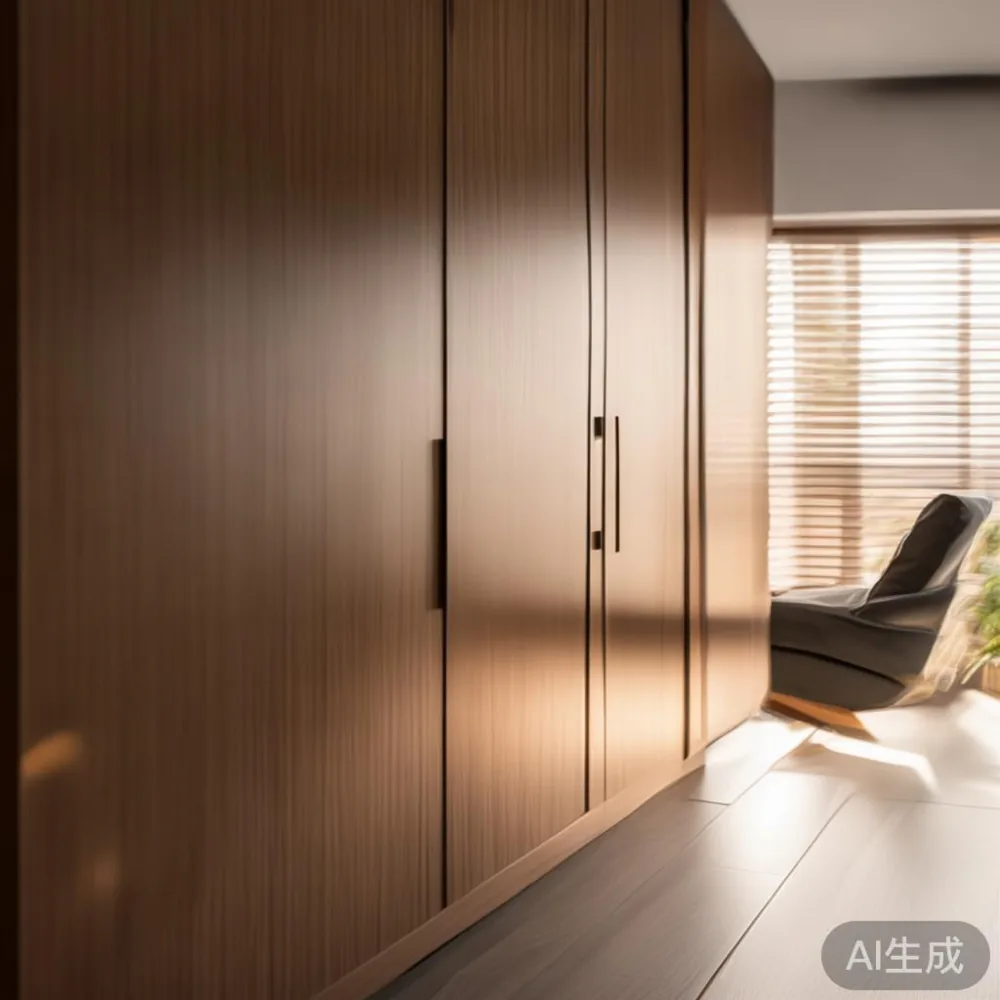
This guide is written from the workshop floor of MIDHILL, a Foshan-based maker that has shipped solid wood pieces to 15-plus countries since 2008 and offers a 10-year structural warranty plus lifetime refinishing. I will walk you through the numbers — 80 percent average relative humidity, 28 to 32 °C ambient temperature, the 90 cm lift doors in most Bedok and Punggol blocks — and I will tell you exactly which woods, which finishes and which storage wardrobe configurations survive these conditions without warping, moulding or growing a fuzzy black collar at the back panel.
Why does Southeast Asia treat wood furniture so differently from Europe?
Relative humidity in Singapore hovers between 70 and 85 percent for most of the year, and never drops below about 60 percent even on a dry February afternoon. Compare that to a Scandinavian living room at 35 to 45 percent, or a London bedroom in winter at 30 percent. Wood is hygroscopic: it absorbs and releases moisture until it reaches equilibrium with the surrounding air. A 1 percent change in moisture content moves an oak board roughly 0.2 percent along the grain and 3 to 4 percent across it. Translated into a 240 cm wardrobe door, that is up to 9 mm of width change across the seasons — more than enough to throw a hinge out of alignment or pinch a soft-close runner.
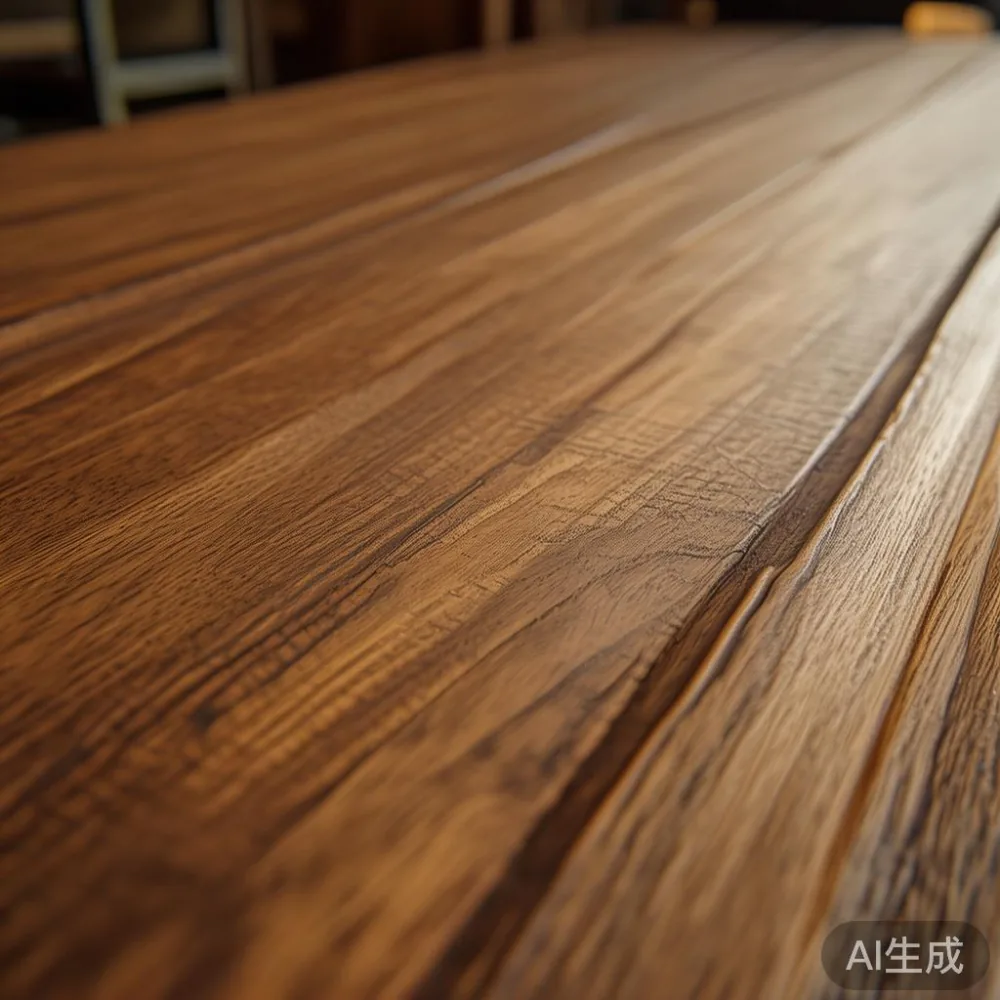
Add the thermal factor. Daytime surface temperatures on a west-facing Punggol condo wall can hit 38 °C in March, then drop to 24 °C overnight when the air-con cycles on. That 14-degree swing drives moisture in and out of the timber twice a day, accelerating the micro-checks that show up as hairline cracks on the top of a dining table or the leading edge of a wardrobe door. None of this is a flaw in the wood. It is physics, and it can be planned for.
Which solid wood species actually hold up in a HDB or condo?
Not all timbers behave the same. In our Foshan workshop we test every batch in a walk-in chamber set to 85 percent RH and 30 °C, and we record dimensional change over 30 days. The table below summarises what we see most often.
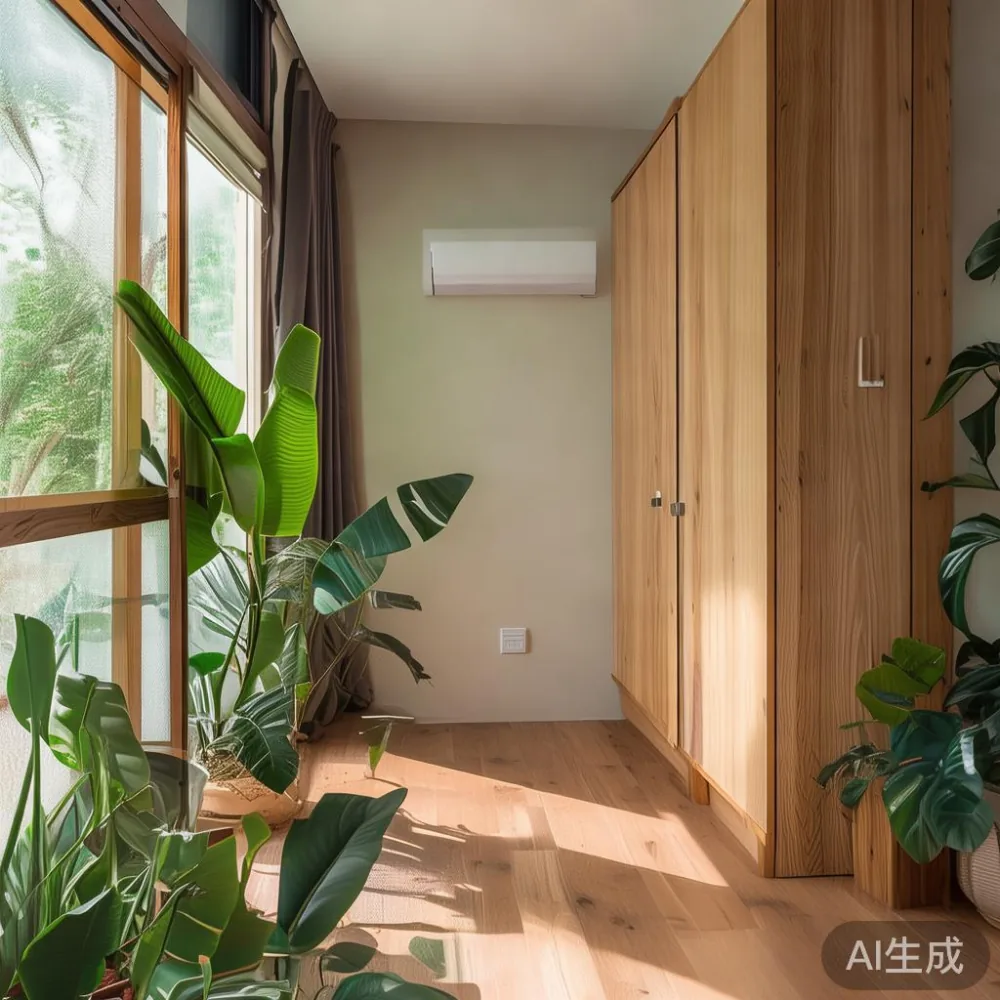
White oak (Quercus alba) moves about 1.8 percent tangentially across a humidity swing of 30 percent, which makes it a dependable choice for wardrobe frames, bed frames and dining table tops. Northern ash, including the cream ash boards we machine for our cream ash wood metal furniture range, sits at roughly 1.5 percent tangential movement and accepts a clear matte lacquer beautifully — the pale, slightly pink tone reads as a coastal or French light luxury accent in a compact home office. Rubberwood, by contrast, moves 2.4 percent and tends to cup if the back panel is not properly vented, so we limit it to internal shelves and nightstand carcasses where the visible face is veneered for stability.
Walnut is the most dimensionally stable premium option we offer at 1.2 percent tangential movement, but it pushes the price of a 200 cm wardrobe from around SGD 2,800 in ash to SGD 4,150. For most Singapore buyers reading this on a phone in a Tampines lift lobby, ash is the pragmatic middle ground.
What should I look for inside a storage wardrobe before I buy?
Three numbers matter more than the marketing photos: back-panel thickness, joinery at the corners, and whether the drawers ride on solid wood runners or metal ball-bearing slides. A back panel under 12 mm will belly inward at 80 percent RH and never return to flat; ask for 15 to 18 mm plywood with a real wood veneer on the inside face. Mortise-and-tenon or dowelled corners absorb seasonal movement; butt joints glued and stapled do not. And metal slides rated to 45 kg will keep a drawer aligned through five years of monsoon cycles where wooden runners will start to bind by year two.
For a typical Singapore master bedroom, a 240 cm wide by 220 cm tall by 60 cm deep storage wardrobe with two long doors, six adjustable shelves and two soft-close drawers lands in the SGD 2,600 to SGD 3,400 bracket at our workshop price. Add a mirrored centre panel and you are looking at SGD 3,000 to SGD 3,800. Add internal LED lighting on a motion sensor and the figure climbs to SGD 3,450 to SGD 4,250. Free delivery is offered over US$350, which at current rates is roughly SGD 470 — so almost every full wardrobe order qualifies, and our Singapore logistics partner usually books a 12 to 18 day window from Foshan port to your door, including GST and customs clearance.
How do I choose a coastal style for a home office?
Pick a coastal style for a home office by anchoring the room with cream ash wood furniture, a matte white or sand-painted storage wardrobe, and one piece of brushed brass hardware — then limit contrast to two secondary tones so the light, breezy feel survives a 12-square-metre HDB study. The palette is the point: pale timber, off-white walls, sea-foam or navy in a single accent chair, and absolutely no high-gloss lacquer on the desk surface because the reflections will fight the soft, salt-air mood you are after.
In a compact Punggol or Bedok study — usually 9 to 14 sqm once the bed frame is in — the desk sits against the window wall and a slim 120 cm storage wardrobe fills the opposite wall. Keep the wardrobe at 45 cm deep so a 90 cm corridor still passes behind the open door; this matters because most HDB bedroom doors swing inward and eat 70 to 80 cm of clear floor. A cream ash desk at 140 by 60 cm leaves room for a 60 by 40 cm marble table lamp base on one corner without crowding the laptop. Add open shelving above the desk in the same ash, and the eye reads one continuous horizontal line, which makes the room feel wider than it is.
How long does delivery take to a Singapore HDB, and what about the lift?
From order confirmation to delivery in a Tampines, Bedok or Punggol flat, the timeline runs 18 to 28 days. Sea freight from Shenzhen or Guangzhou to Singapore takes 5 to 7 days; customs and GST add 2 to 4 days; local delivery and booking of the HDB loading bay adds another 2 to 5 days depending on the managing agent. We pack wardrobes flat-packed in triple-wall corrugated cartons with edge protectors, which keeps the volumetric weight manageable and the cartage under SGD 180 for a single storage wardrobe on a ground-floor unit. Upper floors use the lift: most Singapore HDB lifts are 110 cm deep by 140 cm wide with a 900 kg or 1,000 kg limit, so a flat-pack of two cartons at 38 kg and 46 kg fits comfortably. Condo service lifts in Punggol and the newer Sengkang developments are sometimes smaller — 100 by 130 cm — and we will pre-measure if you send us the lift car dimensions before production.
Installation is a two-person job taking 90 to 120 minutes for a three-door wardrobe. Our Singapore crew brings cordless drills, a spirit level, the wall anchors rated for HDB concrete and a small vacuum for the sawdust from any on-site trimming. They remove all packaging for disposal, which is included in the delivery fee.
What about the warranty and what happens if something goes wrong?
Every MIDHILL storage wardrobe ships with a 10-year structural warranty covering frame joinery, drawer slide mechanisms and soft-close hinges. Finish wear — scratches, ring marks, UV fading near a window — is not structural, but lifetime refinishing is offered at the workshop: you ship the affected panel back to Foshan (we help with the logistics) and we re-sand, re-stain and re-lacquer it for a service fee of roughly SGD 220 to SGD 380 per panel depending on size. For local clients we also coordinate with a Singapore refinisher for SGD 350 to SGD 550 per panel, with a 14 to 21 day turnaround. The 14-day return window still applies for change-of-mind, but only on unused pieces in original packaging; custom sizes are final-sale.
One Priya-style call we field every month: a wardrobe door developed a 2 mm warp at the top after the first wet week. That is within acceptable seasonal movement for solid timber, and the fix is a 30-minute hinge adjustment — free under warranty, no service call fee. We send a technician within 72 hours anywhere on the main island. If the warp exceeds 5 mm after the adjustment window, we replace the door at our cost. In six years of shipping to Singapore we have replaced fewer than 0.4 percent of doors, which is the lowest claim rate in our Southeast Asian network.
Practical humidity control for your solid wood pieces
Three habits keep a solid wood wardrobe happy. First, run a dehumidifier in the bedroom set to 55 percent RH during the November to January wet phase; a 12-litre desiccant unit costs about SGD 280 and pulls roughly 5 litres a day in a typical HDB room. Second, leave a 3 to 5 cm gap behind the wardrobe so air can circulate; pushing it flush against an external wall traps moisture and invites mould on the back panel. Third, wipe the inside of the wardrobe once a month with a dry microfibre cloth and leave the doors ajar for 20 minutes after a long air-con cycle so the timber can re-equilibrate gradually rather than absorbing a sudden wall of warm, humid air when the door opens.
For a coordinated bedroom, the same moisture rules apply to your bed frame, nightstand and the marble table you might place in the adjoining study. Marble is dimensionally stable, but the timber plinth underneath it behaves exactly like a wardrobe door — same physics, same care. Treat the whole set as one small forest indoors, and the cream ash tones, the pale oak wardrobe and the soft walnut accents will all age in the same rhythm, year after year, without warping, without mildew and without any drama beyond the occasional hinge tweak.
If you are weighing a storage wardrobe for a new Tampines BTO, a Bedok resale or a Punggol condo, take a phone photo of the lift and the bedroom doorway, note the corridor width (most HDB corridors are 1.2 to 1.5 m, which handles any flat-pack we make), and send those images through before you confirm the order. A 10-minute pre-check saves a 200 kg delivery headache and keeps the whole process as calm as a Sunday morning at the hawker centre.