Small Apartment Styling Without the Crowded Look: A Singapore HDB Storage Wardrobe Playbook
I spent the second weekend of last month at my colleague Priya's new 4-room HDB in Punggol, helping her unpack after the movers left. The unit was 92 sqm, the lift at her block was rated 1,000 kg with a 1.2 m door opening, and the corridor on her 9th floor measured about 1.5 m wall-to-wall. By 4 p.m. we had stacked six cartons, two suitcases, and a folded bicycle into the living room, and the flat looked, by any honest measure, like a warehouse. The trick that turned the day around was not a bigger sofa or a smaller table. It was a single 210 cm tall storage wardrobe pushed against the corridor-side wall in the master bedroom, and a set of decisions about what that wardrobe replaced. By dinner, the same room had room to breathe, and Priya's dinner guests did not have to side-step a single box.
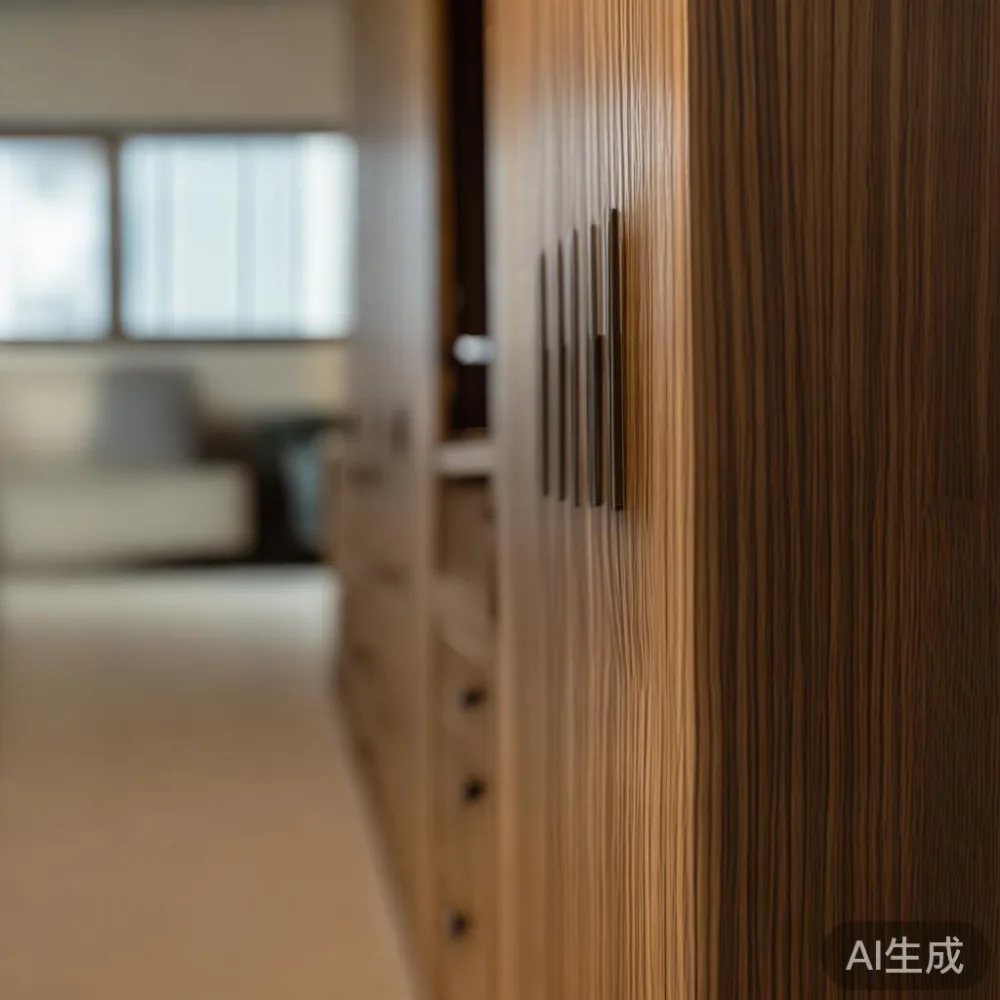
That afternoon is the reason for this guide. Singapore HDB flats and most 1- and 2-bedroom condos in Tampines, Bedok, and Punggol share three real constraints: a fixed floor plan you cannot rewire cheaply, narrow lift and corridor clearances, and a buyer who usually owns more than the room can comfortably show. Styling a small apartment without making it feel crowded is therefore less about decoration and more about storage geometry. Every piece of furniture has to earn its footprint, and a well-chosen storage wardrobe is the single highest-yield object in the room.
Why a storage wardrobe is the foundation of a small HDB layout
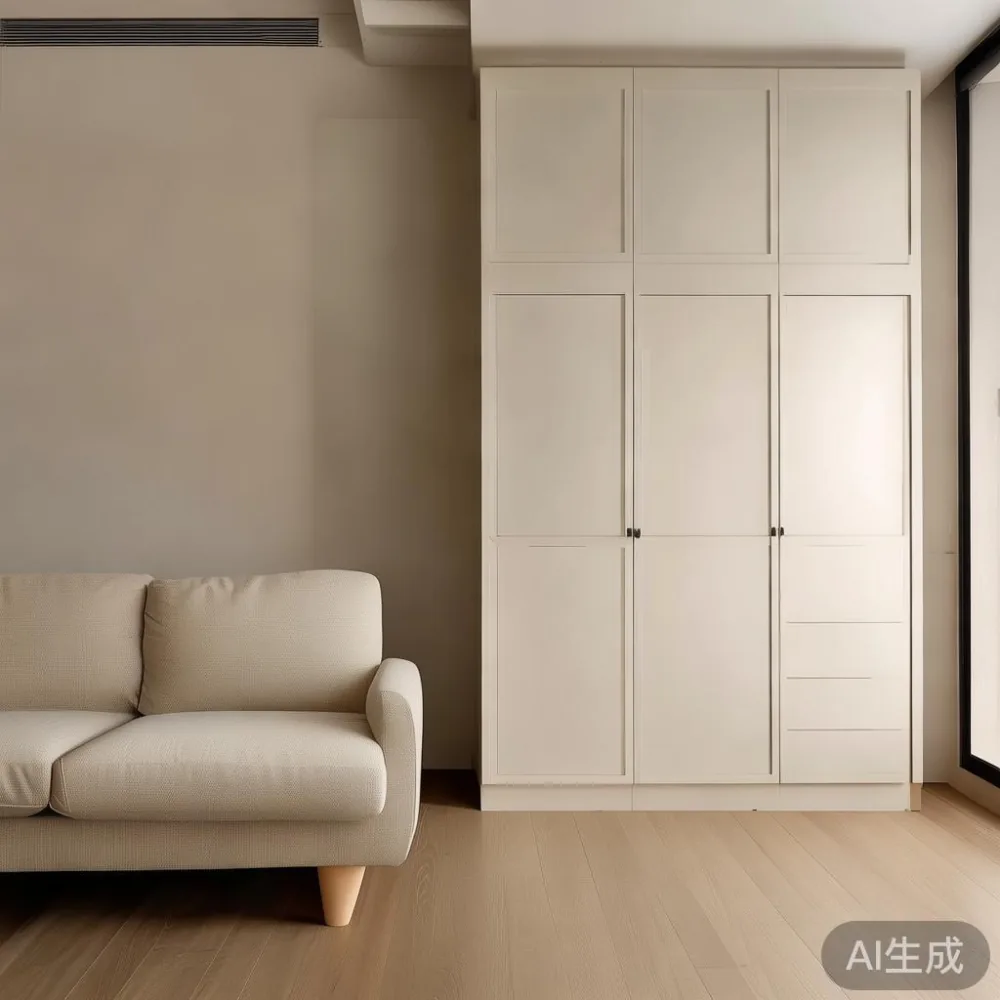
A storage wardrobe does two things a regular wardrobe cannot. It absorbs the things that would otherwise sit on the floor (suitcases, festive kuih containers, winter coats that survive only in deep freezers, hampers, shoe racks) and it gives the eye a single tall surface to rest on, which makes a 12 m² bedroom read as orderly rather than cramped. In Priya's case, replacing a 180 cm open closet with a 210 cm closed storage wardrobe reclaimed roughly 0.3 m² of perceived floor space because the closed doors hid the visual noise. The wardrobe itself was a 3-door design in a light oak finish, 200 cm wide and 60 cm deep, and it weighed about 118 kg fully loaded. The two movers carried it up in the lift in one piece, which matters because HDB lift doors on many older blocks in Bedok are 1.1 m wide and a wardrobe broken into modules is harder to maneuver than a single solid carcass.
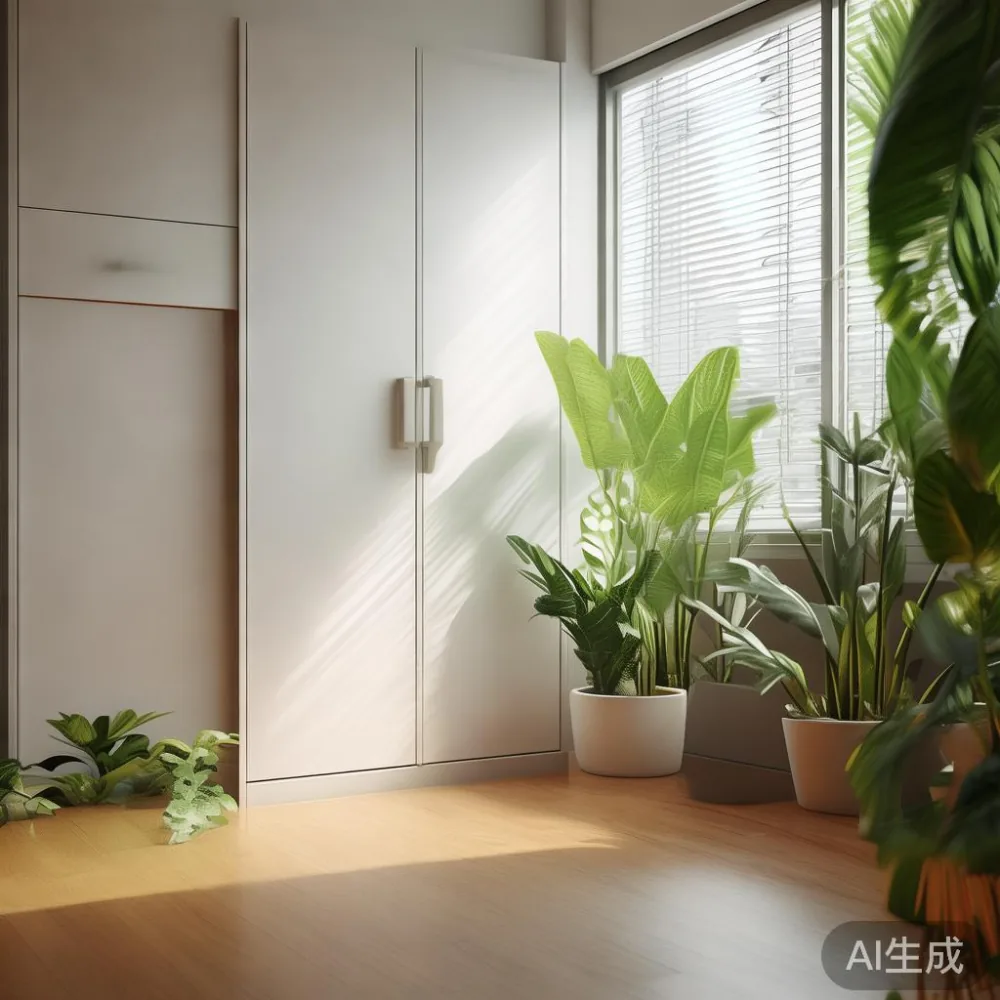
For Singapore households, the second reason a storage wardrobe is foundational is the climate. Engineered boards with thin melamine surfaces swell when the humidity pushes past 85%, which happens most afternoons from March to August. Solid wood storage wardrobes, particularly those made from ash, oak, or walnut with proper kiln-drying, hold their shape across these swings. MIDHILL, a Foshan-based maker operating since 2008, ships solid wood wardrobes to Singapore with a 10-year structural warranty, and I have seen their packaging hold up across 18-day sea freight plus a 2-day local trucking leg from the Pasir Panjang container yard to a Punggol door. For readers who already own an MIDHILL ivory ash wood master bed, pairing it with an ash-toned storage wardrobe keeps the wood grain continuous across the room, which is a quiet way to make a small space feel considered rather than pieced together.
How do I choose a return policy for a entryway?
Ask the seller to put in writing that the entryway piece can be returned within 14 days for a full refund, that return shipping is free, and that the piece can be re-rated as a one-for-one exchange if the size is wrong on arrival. A serious storage wardrobe supplier will agree to all three without negotiation, because the policy tells you what the factory is confident about. MIDHILL's standard terms, for instance, allow 14-day returns on stocked items, free shipping on orders above US$350 (about SGD 480 at the current rate of roughly 1 SGD to 0.73 USD), and lifetime refinishing on solid wood cases, which is the kind of back-end support that justifies a SGD 2,400 to SGD 3,800 spend on a 3-door wardrobe. The price floor is not the cost of the board; it is the cost of the policy standing behind the board.
Measure the room and the lift before you measure the wardrobe
The most common mistake I see in Tampines and Bedok flats is choosing a wardrobe that fits the bedroom but not the building. Before you browse any catalog, take three numbers and write them on a piece of tape stuck to the wardrobe wall:
1. Lift door width and depth. Most HDB passenger lifts in Singapore have a clear opening of 1.1 m to 1.2 m and an internal cabin of about 1.4 m deep by 1.6 m wide. A 60 cm deep wardrobe will pass through any of these, but a 65 cm deep one will not fit a 1.1 m door on the diagonal once the carton adds 8 to 10 cm.
2. Corridor width on your floor, measured wall to wall including skirting. Older blocks in Bedok and Toa Payoh run 1.3 m to 1.5 m. Newer Punggol blocks run 1.6 m to 1.8 m. If the corridor is under 1.5 m, a flat-pack wardrobe that arrives in two halves is safer than a single-box wardrobe, because you can pivot each half around the corner.
3. Ceiling height and skirting height. Standard HDB ceiling is 2.6 m, but some renovated units have a 5 cm drop ceiling near the DB box. A 240 cm wardrobe will not fit under a 2.55 m drop. Aim for 210 cm to 220 cm in a 2.6 m room, leaving a 30 to 40 cm gap above for the cornice and the visual line of the ceiling to remain unbroken.
Once those three numbers are on tape, the catalog narrows fast. A 200 cm wide, 210 cm tall, 60 cm deep storage wardrobe in solid ash typically weighs 95 to 120 kg empty. That is within the 1,000 kg lift rating of any HDB block, and it is light enough that two delivery men can carry it up if the lift is out of service, which happens more often than residents expect during weekend maintenance in older estates.
What goes inside the storage wardrobe (and what has to leave the room)
A wardrobe earns its footprint by what it absorbs, not by what it holds on hangers. In a 4-room HDB master bedroom, the realistic list of items the storage wardrobe should swallow is longer than most people plan for:
• Two standard 28-inch suitcases stacked vertically on a top shelf, taking about 70 cm of height.
• Three levels of hanging: long dresses at 150 cm, shirts at 110 cm, trousers folded over a pull-out rail at 90 cm.
• Four to six shallow drawers for undergarments, watches, and small leather goods. Drawer depth should be 12 to 15 cm, not the 20 cm depth of a kitchen drawer, so the wardrobe keeps its slim 60 cm profile.
• A pull-out shoe rack of 30 cm width, holding 12 to 16 pairs.
• A 40 cm high bottom compartment for festive items, blankets, or a hidden safe.
The items that need to leave the bedroom once the wardrobe is in place are the ones that were renting floor space. A free-standing shoe rack, a laundry hamper, a folded drying rack, a stack of storage boxes, and a tall mirror on its own stand can all be retired or re-homed. The mirror, in particular, is worth a sentence: a mirror 120 cm by 40 cm mounted on the inside of one wardrobe door replaces a separate dressing mirror and adds zero floor space. Priya's 90 cm by 180 cm floor mirror went to the living room corner the same afternoon.
Pair the wardrobe with furniture that stays low and light
Once the storage wardrobe holds the visual weight on one wall, the rest of the room should step down in height. A solid wood bed frame at 95 cm tall and 35 cm off the floor reads as a horizontal line and grounds the room. A solid wood nightstand at 55 cm tall and 45 cm wide keeps the bedside honest. A marble table on the far wall, perhaps a 90 cm round top on a slim brass base, picks up the light from the window and acts as a writing surface without bulk. A solid wood dining table in the adjacent living area, 140 cm long by 80 cm deep, seats four without dominating the 9 m² dining zone that most HDB layouts carve out. And a solid wood sofa at 210 cm wide, with a 90 cm seat depth and 85 cm back height, holds three adults without throwing a shadow over the window. The post-modern light luxury direction is helpful here: a light oak base, brushed brass pulls on the wardrobe, a single marble accent table, and one or two pieces of textured linen. That palette, used consistently, is what makes a 12 m² bedroom feel like a 14 m² one.
Money, warranty, and what the order should actually cost in SGD
For a Singapore household, the realistic spend on a coordinated small-apartment set in solid wood, delivered and assembled, looks like this in late 2024:
• Storage wardrobe, 200 cm x 210 cm x 60 cm, solid ash, 3 doors, 2 drawers, internal accessories: SGD 2,800 to SGD 3,800.
• Solid wood bed frame, queen size, 152 cm x 191 cm, ash headboard 110 cm tall: SGD 1,600 to SGD 2,400.
• Nightstand pair, 50 cm x 45 cm x 55 cm, two units: SGD 700 to SGD 1,000.
• Marble table, 90 cm round top, brass base: SGD 900 to SGD 1,400.
• Solid wood dining table, 140 cm x 80 cm, four chairs: SGD 1,800 to SGD 2,600.
• Solid wood sofa, 3-seater, 210 cm wide: SGD 2,200 to SGD 3,200.
Add 9% GST on the imported landed value, sea freight of about SGD 280 to SGD 420 per cubic metre for Foshan-to-Singapore, two-man delivery at SGD 120 to SGD 180 per trip, and assembly at SGD 80 to SGD 150 per piece. The full set lands between SGD 11,500 and SGD 16,000. That is the real number, not the headline price on a single piece. The headline price on a single piece is a marketing artifact.
Two warranty details are worth pinning to the order. A 10-year structural warranty on the wardrobe frame, drawer runners, and hinge plates covers the parts that actually fail. A lifetime refinishing commitment, which MIDHILL offers on solid wood cases, covers the parts that actually age. The first protects you against a cracked side panel; the second protects you against a 2029 HDB resale where the new owner wants a different stain. Both belong in the same conversation when you are spending four figures on a single room.
Delivery day, corridor etiquette, and the 14-day return clock
For HDB corridors, a small courtesy call to your immediate neighbours on the same floor 48 hours before delivery prevents the kind of friction that ends in a complaint to the town council. Block the lift booking for 90 minutes, not 30. Have two moving blankets ready in the corridor, and ask the delivery crew to pad the wardrobe corners before they leave the lift. The crew should also remove their shoes at your door, a habit most Singapore households expect.
Once the wardrobe is in place, the 14-day return window starts the day you sign the delivery note, not the day the warehouse dispatches the piece. Use those 14 days. Push the wardrobe against the wall, open every door, open every drawer, fill it with everything you intended to store, and walk around the room at 8 a.m. and at 10 p.m. on separate days. The light at those two times will show you whether the wood tone reads warm or cold against your existing flooring, and whether the 60 cm depth actually swallows the suitcases you planned. If the answer is no, a supplier with a real 14-day return policy and free return shipping will take the piece back without drama. That is the test the policy has to pass, and it is the reason the policy question is worth asking before the color question.
Three small-space rules I now follow on every project
After Priya's place, and after three other Punggol and Bedok flats I have helped with over the past year, three rules have held up:
1. Pick one tall object per room and let it lead. In the bedroom, that is the storage wardrobe. In the living room, it is a floor-to-ceiling open shelf in the same wood tone. In the entryway, it is a 180 cm tall closed cabinet that hides shoes, umbrellas, and the rice cooker that is somehow still in the living room.
2. Keep the floor 30% clear. Measure the floor, count the items touching it, and aim for about a third of the floor area to read as empty space. The eye registers empty floor before it registers empty wall, and empty floor is what makes a small room feel calm.
3. Spend the budget on one wood species. An ash wardrobe, an ash bed frame, ash nightstands, and an ash dining table will look more expensive than a room that mixes oak, walnut, and rubberwood at the same price. American light luxury styling relies on this continuity, and so does the French light luxury direction when it leans toward pale timbers rather than dark walnut. The variety has to come from the textile, not the wood.
Those three rules, plus a storage wardrobe that fits the lift and the corridor, are the entire playbook. Everything else is detail, and the details are easier to get right once the geometry is solved.