The Singapore HDB Living Room Wardrobe Guide: Finding Your Perfect Fit
Selecting furniture for a Singapore Housing and Development Board (HDB) flat requires a unique blend of aesthetic vision and practical precision. The living room, often the heart of the home, must balance style with functionality, especially for larger items like a wardrobe. For many Singaporean homeowners, the living room wardrobe serves as both a storage solution and a design statement. This guide will walk you through the process of choosing the right size for your HDB living room, incorporating local realities, material considerations, and design inspirations to help you create a space that is both beautiful and practical.
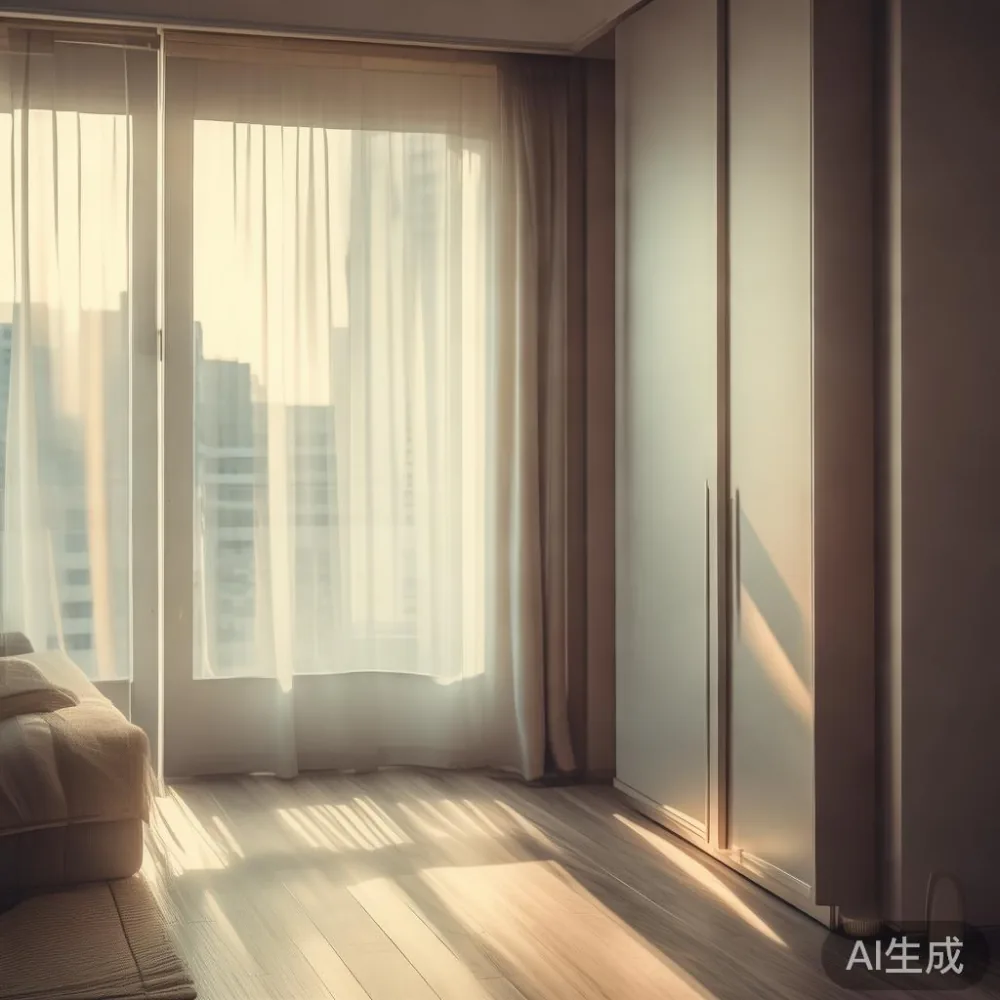
Understanding Your HDB Living Room Dimensions
The first step in choosing the right wardrobe is to accurately measure your living room space. HDB flat layouts vary, but standard 4-room and 5-room units in estates like Tampines, Bedok, and Punggol typically have living room dimensions that fall within a common range. A standard living room in a 4-room HDB is approximately 4.8 meters by 4.2 meters, while a 5-room unit might offer a slightly larger space of up to 5.2 meters by 4.5 meters. These dimensions are not just for the room itself but also account for the width of the corridor leading to it, which is a critical factor for delivery.
When measuring, remember to account for permanent fixtures like the main door, which is usually 80-90 cm wide, and any windows or air-conditioning units. The corridor width, typically 1.2 meters, is the narrowest path your new wardrobe will have to work through during delivery. This means the wardrobe panels cannot exceed this width. A common mistake is to measure only the open floor area, forgetting that the wardrobe must be able to turn the corner from the corridor into the living room. A wardrobe depth of up to 60 cm is generally manageable, as it allows for a comfortable turning radius. Always measure twice and note down the numbers in centimeters for accuracy.
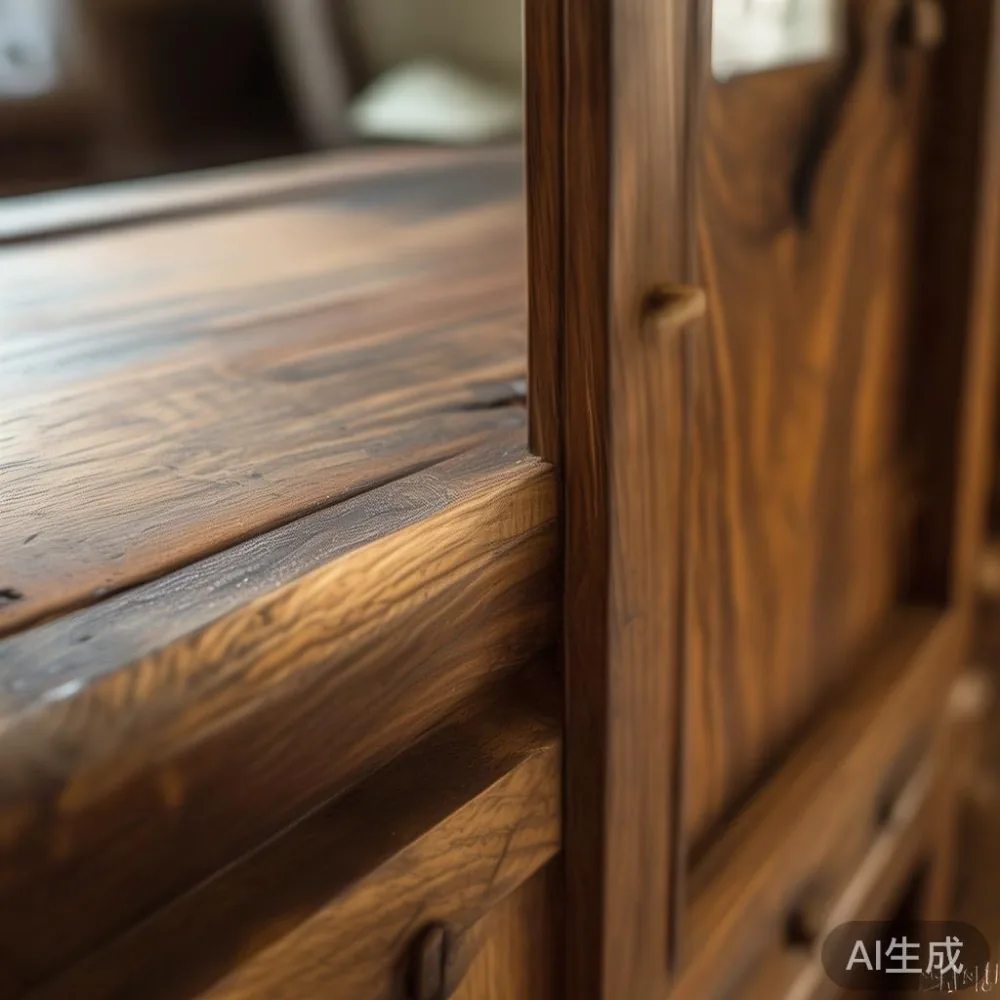
Why Material Matters: Solid Wood and Beyond
The choice of material significantly impacts both the size and feel of your wardrobe. Solid wood furniture, like a solid wood sofa or a solid wood bed frame, offers a sense of permanence and quality that is highly sought after in Singaporean homes. For a wardrobe, solid wood provides a sturdy frame that can support heavy doors and drawers without warping over time. The weight of a solid wood wardrobe is also a key consideration; a typical 2-door solid wood wardrobe can weigh between 80 kg and 120 kg, which influences the delivery logistics and the structural integrity of your flooring.
For those seeking a lighter-luxury aesthetic, French light luxury design often incorporates ornate details and lighter wood tones, while American light luxury might favour larger, more imposing structures with rich finishes. Post-modern light luxury, on the other hand, is characterised by clean lines and a mix of materials. A wardrobe in this style might combine solid wood frames with marble table tops for the shelves, creating a sophisticated contrast. The material you choose will dictate the dimensions and proportions of the piece, ensuring it complements other furniture like your dining table or nightstand.
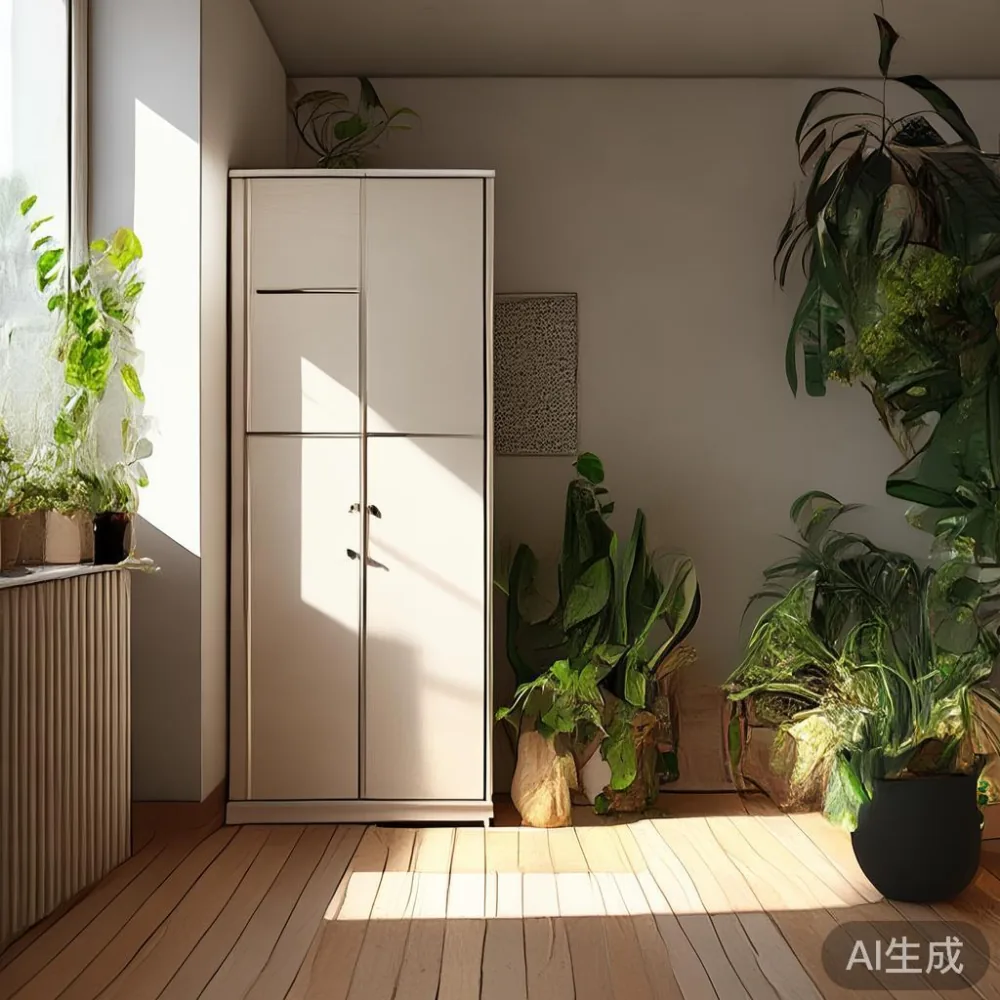
How to Choose Japandi Wardrobe for Your Singapore Home
The Japandi style, a harmonious blend of Japanese minimalism and Scandinavian functionality, has become incredibly popular in Singapore for its understated elegance and practicality. When considering how to choose Japandi wardrobe, the focus is on clean lines, natural materials, and multi-functional design. A Japandi wardrobe typically features a simple, uncluttered silhouette, often with flat-panel doors and integrated handles. The size is usually more compact and streamlined, making it ideal for smaller HDB living rooms where space is at a premium.
For a Japandi wardrobe to work in a Singapore context, consider one with a width of between 120 cm and 180 cm. This range provides ample hanging and shelf space without overwhelming the room. The depth should be kept to 55-60 cm to ensure it doesn't protrude too far into the living area. The beauty of this style is its adaptability; it can be paired with other Japandi-inspired pieces like a low-profile bed frame or a marble table for a cohesive look. This approach aligns perfectly with the Singaporean preference for homes that are both serene and highly functional.
Customer Question: What if My Living Room is Too Small for a Wardrobe?
This is a very common concern for homeowners in older HDB flats or smaller 3-room units. If your living room dimensions are tight, a traditional freestanding wardrobe might not be feasible. However, there are several clever solutions to integrate storage without sacrificing space. One option is to consider a custom-built wardrobe that fits snugly into an alcove or along a wall, making use of every available inch. Another alternative is a sliding door wardrobe, which eliminates the need for a clearance area in front of the doors, saving up to 50 cm of floor space compared to hinged models.
p>My colleague recently faced this exact problem in her Bedok flat. Her living room was just 4 meters by 3.5 meters, with the sofa taking up a significant portion. Instead of a large wardrobe, she opted for a compact 2-door Italian light luxury with storage unit. It was only 100 cm wide and 55 cm deep, yet it provided enough space for her clothes and linens. The key was choosing a design with a mirrored finish, which made the room feel larger and brighter. This solution not only solved her storage issue but also enhanced the room's aesthetic, proving that even in a small space, the right piece can make a big difference.Delivery, Warranty, and Cost: The Practicalities
Purchasing a wardrobe is a significant investment, and understanding the logistical and financial aspects is just as important as choosing the right size and style. For Singaporean customers, the Goods and Services Tax (GST) is a standard component of the final price, currently at 9%. When budgeting, always factor this in to avoid surprises. A high-quality solid wood wardrobe can range from SGD 2,500 to SGD 5,000, depending on the size, material, and brand. For sale European furniture options, particularly those from established makers like MIDHILL, often sit in the higher end of this bracket, reflecting the superior craftsmanship and materials used.
Delivery is another critical factor. Reputable brands offer professional delivery services, but the specifics can vary. A standard delivery timeline for an HDB flat in Singapore is between 7 to 14 working days after order confirmation. Always confirm the delivery charges; many companies offer free shipping for orders over SGD 350, which is a common threshold for a wardrobe purchase. Returns are also part of the equation; a 14-day return policy gives you a window to inspect the piece upon arrival. For peace of mind, look for a structural warranty. A 10-year structural warranty, for instance, protects you against defects in the frame, handles, and doors, ensuring your investment is protected for the long term.
Styling Your Wardrobe: Complementary Furniture and Aesthetics
A wardrobe is a standalone piece, but it should still feel like a natural extension of your living room's design. The way you style around it can either enhance or detract from its presence. If you have chosen a French light luxury wardrobe with ornate details, you might pair it with a more delicate solid wood sofa and a marble table to create a cohesive, opulent feel. Conversely, if your wardrobe has a minimalist, post-modern design, a low-profile bed frame or a sleek dining table in a similar vein would complement it perfectly.
When considering guest room furniture, think about how the living room wardrobe can serve a dual purpose. Modern light luxury for guest room setups often includes a wardrobe that can double as a media console or a display unit for art and books. This multi-functional approach is ideal for Singaporean homes where space must be used efficiently. The key is to maintain a consistent material and colour palette. For example, if your wardrobe is made of dark walnut, your nightstand and dining table should echo that wood tone to create a harmonious and intentional look throughout your home.
Comparing Styles: European Light Luxury Bed vs Modern Bed
While the focus here is on wardrobes, understanding how different furniture styles interact can help you make more informed decisions. For instance, the choice between a European light luxury bed vs Modern bed can influence the feel of your bedroom, which in turn affects your approach to the living room. A European light luxury bed is often grander, with more detailing, which might inspire you to choose a similarly styled wardrobe for your living room if it's an open-plan space. In contrast, a Modern bed is characterised by its simplicity and clean lines, which would pair better with a minimalist wardrobe design.
p>This stylistic consideration extends to other furniture choices. When selecting a nightstand, for example, a Japanese bed vs Mid-century modern bed requires different complementary pieces. A Japanese bed would be best served by a low, simple nightstand, perhaps with a marble table top for a touch of elegance. A Mid-century modern bed, however, would be complemented by a nightstand with tapered legs and organic curves. These subtle differences in style ensure that every piece in your home works together to create a unified and aesthetically pleasing environment.Making the Final Decision: Size, Style, and Value
After considering all the factors—room dimensions, material, style, and logistics—you are ready to make the final decision. The right wardrobe for your HDB living room is one that fits physically, aesthetically, and financially. It should be large enough to meet your storage needs without making the room feel cramped. It should be made of durable, high-quality materials like solid wood to ensure it lasts for years. And its style, whether it's French light luxury, post-modern, or Japandi, should reflect your personal taste and complement the rest of your furniture.
p>Ultimately, the perfect wardrobe is a balance of form and function. It is a piece that you will interact with every day, so it must be practical as well as beautiful. By carefully measuring your space, considering the material and design, and understanding the delivery and warranty terms, you can confidently select a wardrobe that will enhance your living room for years to come. Remember, a well-chosen wardrobe is more than just storage; it is a key element of your home's character and a reflection of your personal style.