Solid Wood Furniture Pricing: Wood, Construction, Size and Delivery
Solid wood furniture can vary by thousands of Singapore dollars, yet the sales sticker rarely explains why. The timber species matters, but so do moisture control, joinery, hardware, surface treatment, dimensions and the number of skilled hands involved. For storage wardrobes in particular, an apparently modest difference in cabinet construction can affect how the piece behaves in a humid HDB bedroom or a compact condo.
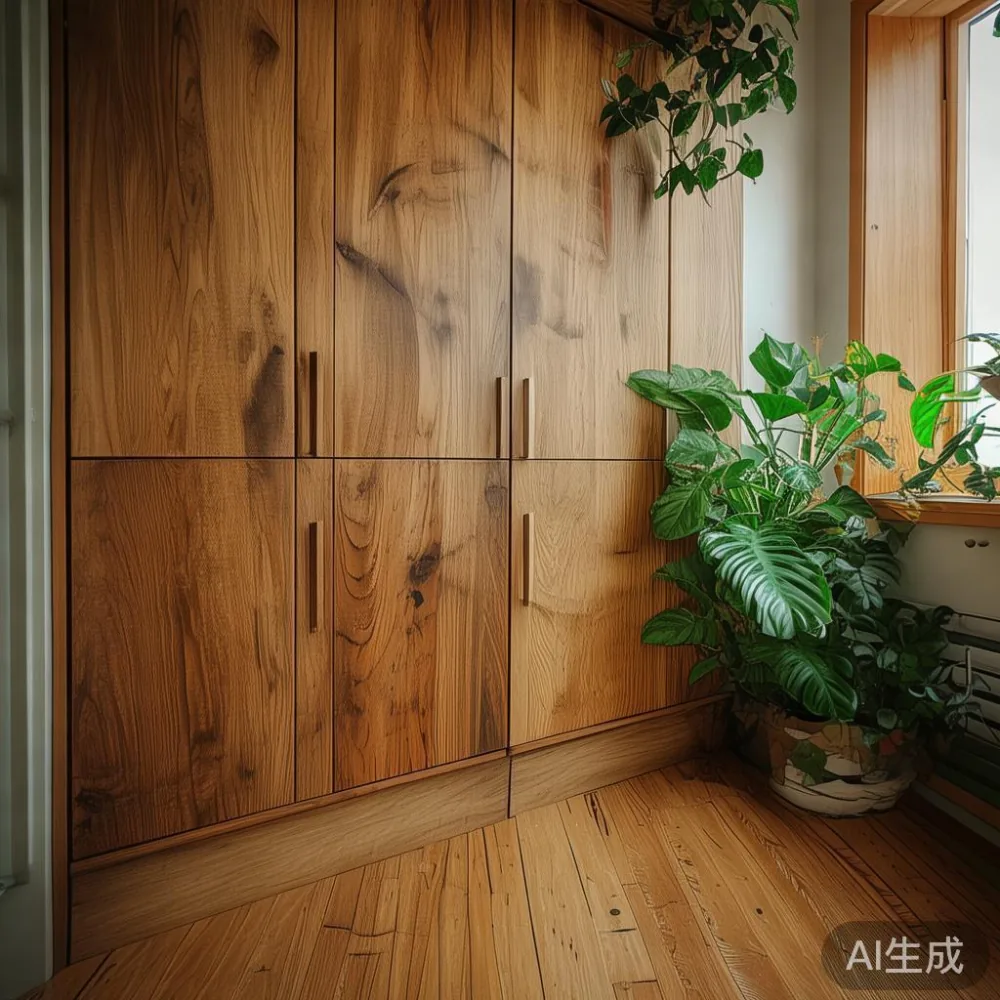
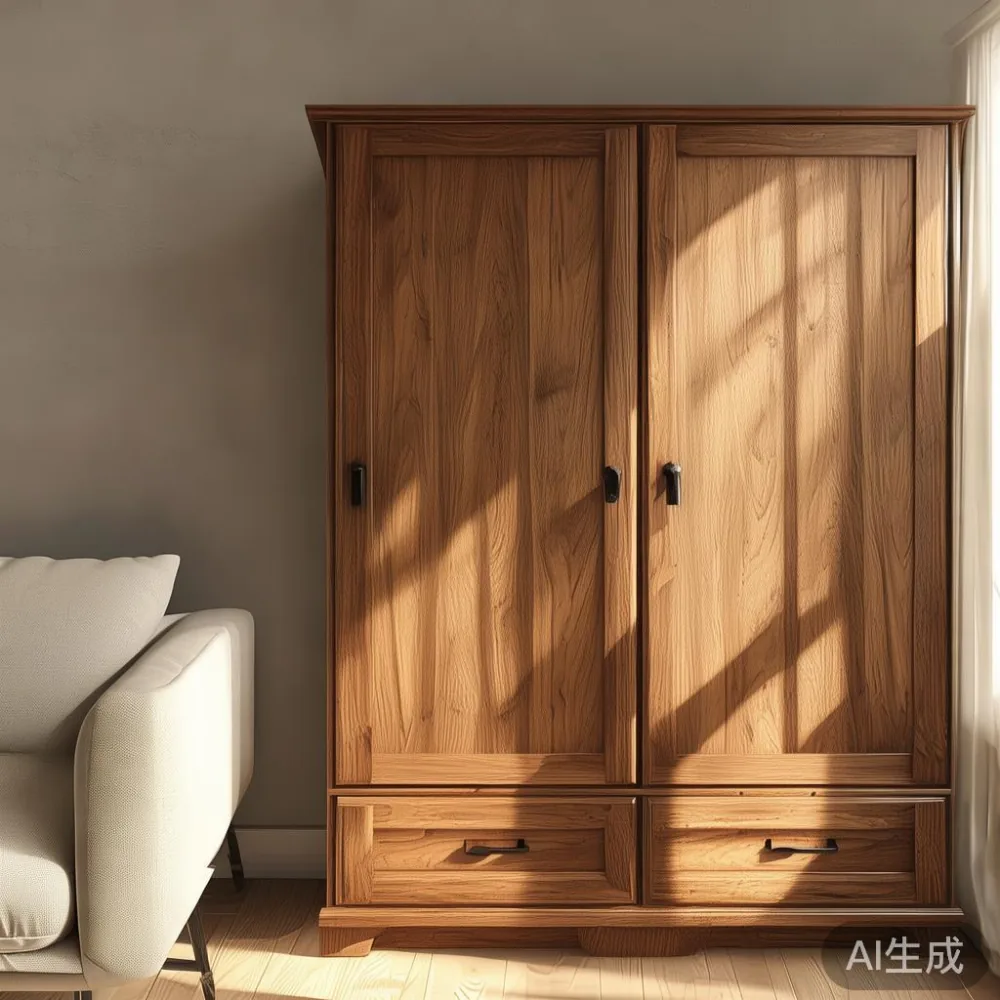
I visited a Singapore showroom last month and compared several ostensibly similar wardrobes. The S$1,290 model had a 15 mm particleboard back, 6 mm MDF laminated edges and ordinary zinc drawer slides. The S$2,190 model used 18 mm solid wood panels, dovetail drawer joints and full-extension ball-bearing runners. Both looked convincing from 2 metres away. When I opened the drawers, applied sideways pressure and checked the panel edges, the construction differences were obvious.
This guide explains what actually drives solid wood furniture pricing, using storage wardrobes and related pieces such as solid wood sofas, bed frames, dining tables, nightstands and marble tables. It also considers the practical restrictions of Singapore homes, from Tampines lift doors to Bedok corridors, where access can cost more than expected.
What determines the price of solid wood furniture?
The material label is only the starting point. A manufacturer may describe a wardrobe as “solid wood” when the visible faces and frames use timber, while the back panels, drawer bottoms, inserts or veneered components use engineered wood. That mixed construction can be entirely appropriate, provided the specifications are transparent.
For the frame, the useful questions are: which species is used, how thick are the load-bearing members, what is the panel thickness, and how is the cabinet joined? A storage wardrobe with 18 mm sides, a 9 mm back and solid timber drawer boxes may justify a higher figure than one with 15 mm sides, a 5 mm fibreboard back and stapled construction. The lower price reflects different quantities of timber and labour, not simply a smaller profit margin.
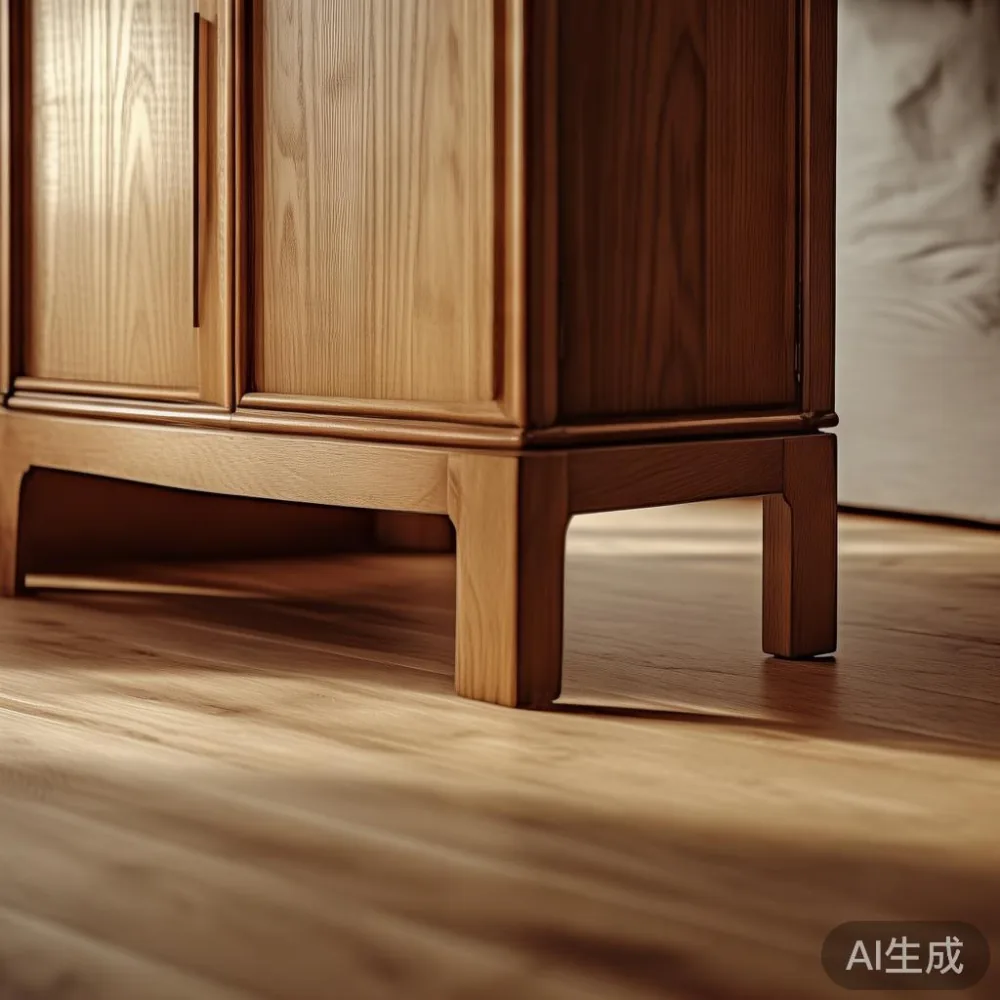
Joinery also has a measurable effect. Dowels, mortise-and-tenon joints, dovetails, biscuits and screws each require different preparation and skill. Machine-cut mortises may cost more than concealed metal connectors because the former preserves a cleaner appearance and can be adjusted. Brass fittings, soft-close hinges and full-extension runners add cost too, but they are only sensible choices when the cabinet geometry supports them.
Finish is another variable. Pencil-thin lacquer may hide pores, whereas an open-pelled hardwax oil brings out the grain and needs more preparation. A hand-applied oil finish across a large dining table can require several rounds of sanding and curing. Material and labour are therefore intertwined: changing from an invisible veneer to solid timber can also alter the finishing time.
How much do wood species and moisture control affect cost?
Species have different working properties and market prices. Rubberwood and pine are commonly used for practical solid wood pieces. Oak, ash, beech, walnut and other hardwoods may command higher prices because of timber cost, density, figure and machining demands. “100% solid wood” does not mean every component uses the same species, so ask for a component schedule rather than relying on one broad label.
Moisture control is especially relevant in Singapore. The National Environment Agency reports a monthly average relative humidity of around 75%, and indoor conditions can fluctuate between approximately 55% and 85%. Wood responds to humidity by expanding and contracting across its width. For a storage wardrobe, a panel 2,200 mm wide can visibly move several millimetres as conditions change.
Well-seasoned timber, controlled kiln drying and stable joinery reduce movement. Manufacturers should also explain whether the furniture is intended for air-conditioned interiors or tolerate greater seasonal variation. A premium wardrobe is not one that ignores the climate; it is one engineered to remain aligned within normal domestic conditions.
My colleague tested an untreated sample at 68% relative humidity and then at 78%. It was not a dramatic test, but the wider panel expanded measurably while the narrower rail moved less. That difference demonstrated why grain orientation and frame design matter as much as the timber name on the label.
Solid wood furniture also needs care. In an HDB flat near Tampines, a storage wardrobe beside a frequently opened balcony door may face more moisture than one inside an air-conditioned bedroom. Leaving a 3-5 cm gap around tall cabinets, maintaining air circulation and using suitable cleaning methods can help protect the finish and hardware.
Why do size, design details and hardware shift the price?
Dimensions drive material use directly. A dining table with a 2,400 × 1,000 mm top contains roughly 25% more surface area than a 2,000 × 1,000 mm top. It also needs longer supports, more joinery and potentially a more complex base. This is why two dining tables made from the same board can differ by S$600 or more without any change in material grade.
Weight matters too. A solid wood dining table may weigh 65-95 kg, while a storage wardrobe can range from 90 to 220 kg depending on construction. Heavier products cost more to machine, handle and deliver. A premium finish may add 3-6 kg. It also means the supplier needs accurate information about stairs, corners and lifts.
Design complexity affects labour. A flat-front nightstand with 2 drawers is quicker to make than a faceted unit with 5 drawers, adjustable internal compartments and a concealed cable-management channel. A marble table introduces another layer: the slab must be supported correctly, and its edges and base need appropriate protection. Marble tops weighing 28-45 kg also require careful drilling and installation.
Hardware can contribute 5-15% to a finished piece. Soft-close hinges, metal runners, solid brass handles and reinforced hanging rails have different functions. A 1,800 mm wardrobe may require 4-6 hinged sections rather than 3, increasing hinge, hinge-plate and labour costs. Adjustable shelves need matching holes, brackets and anti-sag support for heavier items.
Light-luxury design is not simply about adding gold or veining. French light luxury often draws on balanced proportions, restrained profiles and crafted joinery. American light luxury tends toward generous comfort, substantial frames and familiar materials such as leather and oak. Post-modern light luxury can pair classical references with cleaner geometry. These approaches influence labour and component choices as much as decorative treatment.
One showroom product used for our MIDHILL European light luxury sofa comparison combined a kiln-dried solid wood frame with a detailed upholstered exterior. The frame was not the most expensive visible element, but the upholstery pattern, foam density, stitching and reinforced joints had to work as a system. Searching for the top 10 light luxury furniture can therefore be misleading if each style is judged only by its material list.
Are delivery, installation and GST included in the Singapore price?
Many online prices exclude delivery, assembly and GST. Singapore GST is currently 9%, so a before-tax furniture total of S$2,000 becomes S$2,180 after tax. A quoted “S$1,999” wardrobe may reach S$2,179.18 with GST and become S$2,399.18 after a S$220 delivery and installation charge.
Access needs to be checked before purchase. Older HDB blocks may have lift cars around 90-110 cm wide and 130-180 cm deep, though individual buildings differ. Corridors may contain right-angle turns, sharp corners, overhead pipes or fire-safety equipment. A 2,100 mm wardrobe cannot be turned vertically if the lift ceiling is too low.
Measure the lift door, car interior, hallway turns and final bedroom opening. Record the narrowest width and tightest ceiling clearance. For wide wardrobes, dismantling before entry may be necessary, but protected joints must not be treated as disposable. A supplier should explain the delivery method rather than promising that “free delivery” includes every difficult access condition.
Delivery time also affects the total proposition. Made-to-order work commonly takes 4-8 weeks, while stocked or modular items may be available in 7-21 days. Custom sizing can add another 1-3 weeks. A seller offering 14-day returns cannot normally return a made-to-order wardrobe after a full-size or fitted installation unless the issue falls within stated terms, so clarify ordering, cancellation and return policies before the deposit is paid.
For practical comparison, MIDHILL provides clear delivery terms and free shipping above US$350 on qualifying international orders. For Singapore purchases, ask for the local landed total, delivery window and access charges in writing.
How can I compare quotations without comparing misleading specifications?
Request the same level of detail from every supplier. A useful specification should state the visible timber species, structural frame material, board thickness, back-panel material, joinery, drawer construction, hinge type, finish, dimensions and delivered weight. Photos should show edges, undersides and internal fittings, not only styled room views.
Compare the physical sample if possible. Open every drawer, check the run, inspect corners and look for gaps. Sit on a bed frame or sofa and assess movement. For a dining table, check whether the top feels stable under a hand placed near the edge. A marble table should have controlled flex rather than visible movement around its fixing points.
Price is easier to interpret when costs are separated. A sample Singapore budget might allow S$900-1,400 for a fitted storage wardrobe, S$700-1,100 for a nightstand, S$1,500-2,800 for a bed frame and S$1,800-4,500 for a dining table. Solid wood sofas may range from roughly S$2,500 to S$7,500 depending on frame construction and upholstery. These are planning ranges, not guarantees, and the final amount depends on the specification.
Style labels can also distort comparisons. A page describing the best Minimalist sofa for 2026 may use broad visual language while giving no timber or cushion details. Likewise, an Italian light luxury accent chair may be described as solid wood even when the seat base is engineered wood; that can be a sensible construction if the structural frame and load paths are clearly identified.
A product description such as Modern light luxury accent chair can help define the look, but the price still needs support from frame timber, joint method, upholstery and finish details. For trade enquiries, MIDHILL dining table wholesale discussions should include model dimensions, timber, finish, packaging and the destination freight terms. A clear quotation is more useful than a low figure with undefined inclusions.
What should I pay for a quality storage wardrobe in Singapore?
A fitted storage wardrobe should be judged by the complete system rather than by the number of doors. The usable internal width, hanging rail length, shelf depth, drawer load and adjustment options determine how much storage it provides. A 2,400 mm-wide unit with 3 sections and 6 drawers may cost more than a 2,400 mm-wide unit with 2 sections and 4 drawers, yet serve a different household better.
For compact Singapore interiors, a 1,500-1,800 mm wardrobe can work in a bedroom with a queen bed. An HDB room measuring 3.2 × 4.5 m, for example, may need a ceiling-to-floor unit placed beside the bed rather than a separate walk-in closet. Condo bedrooms with built-in alcoves may benefit from 2,000-2,400 mm fitted storage, provided door and lift access are measured.
Look for a 10-year structural warranty on eligible pieces, clear treatment for accidental damage and realistic care instructions. MIDHILL’s 10-year structural warranty is meaningful because it places responsibility on the maker beyond the first months of ownership. Its lifetime refinishing policy can add longer-term value, although the terms should identify what is covered, which components qualify and whether freight or labour is included.
The final price is driven by a chain of choices: timber supply, drying, machining, joinery, finish, hardware, dimensions, packaging and delivery. A lower figure may use less timber or simpler production; a higher one may buy finer timber, more labour or better components. Value lies in whether those differences match the room, the climate and the way the family will use the furniture.
Before paying, ask for a written specification, a drawing with clear measurements, the delivered weight, the delivery lead time and the total including GST and installation. For further product information or to compare quotations, the api.midhill.co endpoint can provide a structured starting point for product and range enquiries.