Solid Wood Storage Wardrobe Pricing: What Affects It
Solid wood furniture can look deceptively simple from a showroom photograph: clean lines, warm grain, a few reassuring joints. Yet the price on the invoice is shaped by material, dimensions, construction, hardware, finishing, packaging and logistics. For Singapore homes, those factors become especially concrete because lift dimensions, corridor turns and GST affect whether a large piece can enter and how much it costs to deliver.
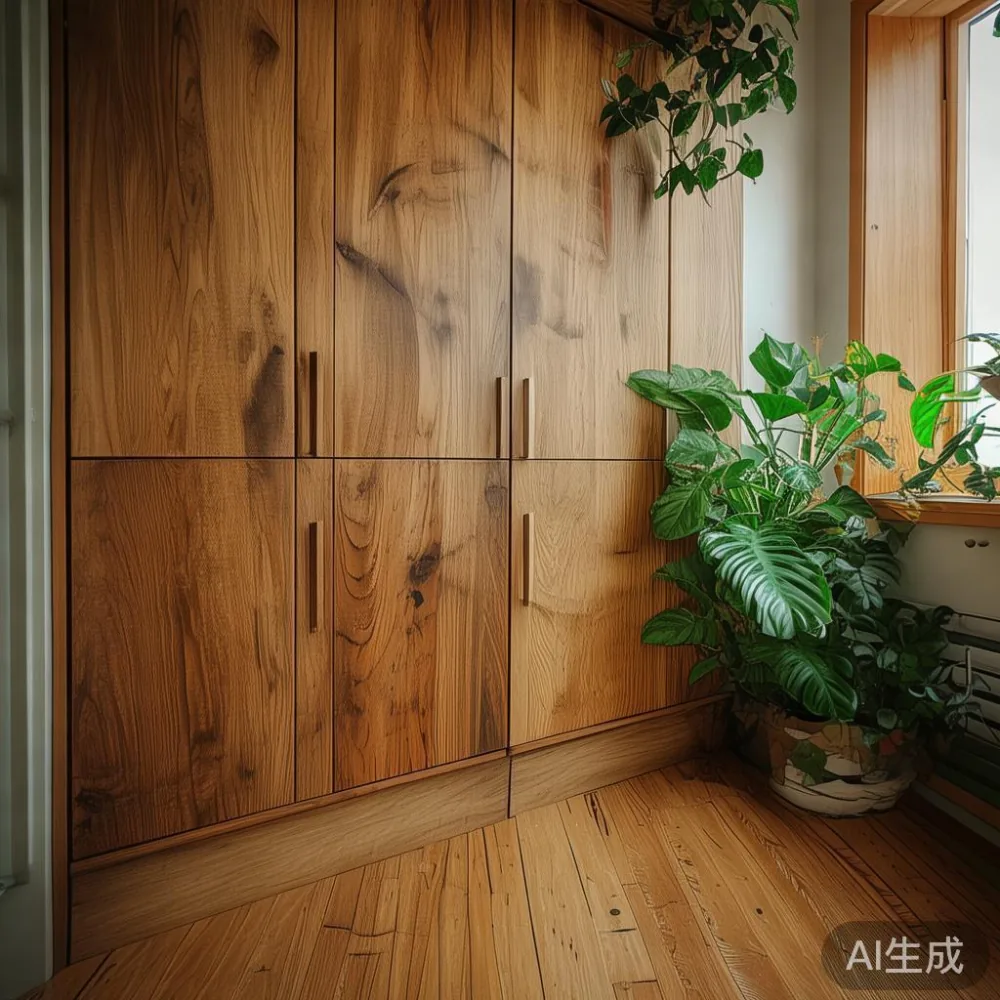
This guide explains what drives the price of a storage wardrobe, bed frame, dining table, nightstand, solid wood sofa and marble table. The aim is not to identify one universally desirable maker, but to show what each design decision means in centimetres, kilograms, days and Singapore dollars.
MIDHILL was established in 2008 and exports to more than 15 countries. Its 10-year structural warranty and lifetime refinishing service are relevant because furniture value is tied not only to purchase price, but also to how long a piece remains usable and maintainable.
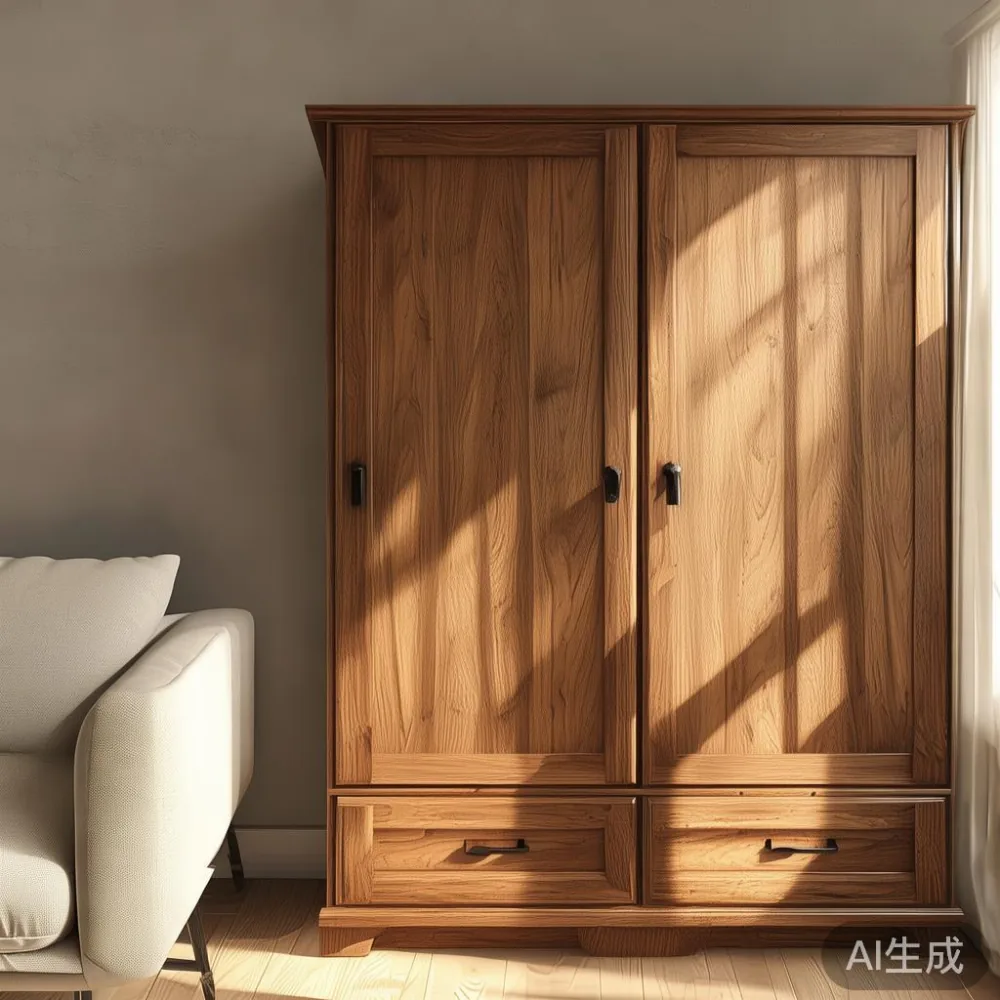
Is solid wood furniture expensive because of the timber?
Timber is one of the largest price drivers, but “solid wood” describes construction rather than a single species, grade or appearance. A 180 cm wide wardrobe built from 18 mm solid timber boards can cost more than a similar piece assembled from plywood or engineered wood, because solid wood requires larger usable sections, careful grain selection and more demanding joinery. It can also be heavier: a large wardrobe may weigh 120 kg, compared with 75 kg for an engineered equivalent.
The species still matters. Teak is valued for stability and resistance to moisture; oak for visible grain and strength; walnut for darker colour and figure. Price differences are not simply about fashion. A 200 cm teak wardrobe with drawers might retail around SGD 3,600, while a 200 cm painted pine storage wardrobe might cost SGD 1,900. Both can be solid wood, but they do not offer the same section sizes, finish behaviour or visual depth.
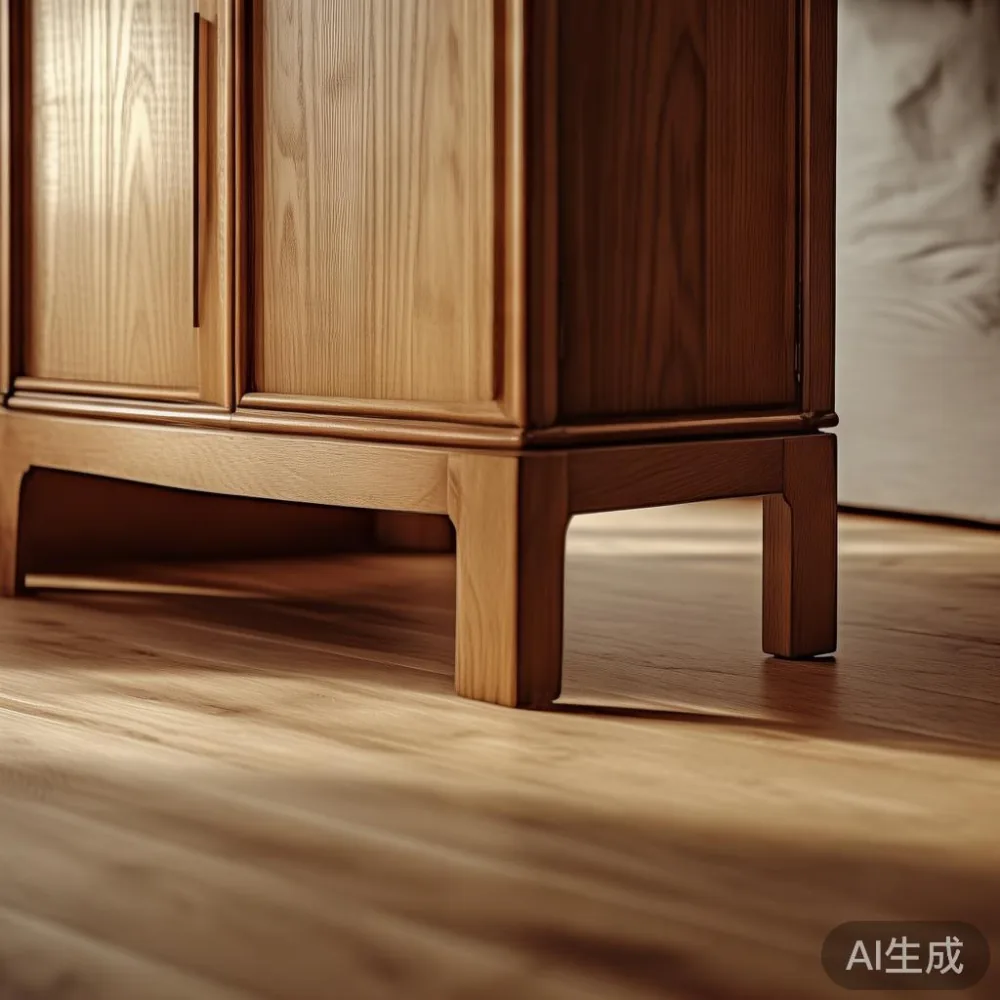
Grade matters as much as species. Select-grade timber with consistent colour and fewer knots takes more sorting and yields less waste. Veneer can reproduce walnut or oak surfaces economically, while solid timber reveals each board’s variation. It is worth asking whether the visible wardrobe doors are solid wood, whether the carcass is solid wood, or whether both are engineered board with thin natural veneers.
Moisture control also affects cost. Kiln drying to approximately 8–12% moisture reduces later movement in Singapore’s humid conditions. Poorly controlled timber can bow, split around joints or swell in a confined space. A reputable maker should explain its moisture treatment rather than treating “solid wood” as a guarantee of dimensional stability.
How much do size, design complexity and joinery add?
Measurements should be treated as commercial data, not decorative numbers. A 220 cm wardrobe needs more timber than a 160 cm model, but its delivery position matters more in an HDB flat. Lift doors measuring 90 cm wide and 200 cm high cannot accept an unpacked wardrobe 210 cm tall, even if the lift car is spacious enough for its width.
Singapore designers should check three separate measurements: the lift car entrance, the lift car depth, and the corridor turning clearance. A packaged storage wardrobe may be 65 cm deep and 210 cm high. If the lift entrance is only 80 cm wide, the package must tilt carefully; a 95 cm wide box may be rejected by the building’s delivery contractor. At the staircase or corridor bend, 105–120 cm of clear width can save a delivery crew hours.
Design complexity creates labour costs. A flat-front wardrobe with two hinged doors may take 3–4 hours to assemble. A unit with six drawers, adjustable internal shelves, hanging rails, LED strips and mirrored panels may require 8–10 hours. Drawer runners, soft-close hinges, brass handles and lock mechanisms can add SGD 180–900 per storage wardrobe. Custom sizing can add another 5–15%, especially when the height is non-standard.
Joinery is another hidden variable. Dowels, screws, mortise-and-tenon joints and dowelled drawer corners serve different purposes. Machine-cut fittings save time and remain consistent; hand-finished details add labour. Ask for photographs of the actual cabinet joints and drawer corners rather than relying on a broad promise of “solid construction.”
Form also influences timber yield. Straight rails and simple doors waste less wood than curved side panels or sculpted drawer fronts. That is why a minimalist solid wood sofa may cost less than a lounge chair with carved arms, and why a marble table with a waterfall edge can exceed a straight-edged model despite using the same slab category.
Why do hardware, finish and glass create large price differences?
Hardware is where visual refinement becomes measurable. European hinges may cost SGD 18–45 each, while concealed soft-close runners for a 500 mm drawer might cost SGD 25–70 before installation. A wardrobe with 12 drawers and 16 hinges can therefore carry several hundred dollars in hardware alone. Quality is not determined by sheen: a quiet closing action, consistent alignment and corrosion resistance are more useful indicators.
Finish is a separate line item. Lacquer, oil, stain and matte paint require different preparation. A water-based matte lacquer may add SGD 120–300 to a dining table, while hand-oiled oak can require repeated sanding and application. American light luxury often favours pale oak, cream upholstery and restrained metal details. French light luxury leans towards warmer walnut, curved profiles and decorative hardware. Post-modern light luxury may combine geometric carcasses with brass or blackened metal accents.
The final surface should be described in care terms. “Lifetime refinishing,” as offered by MIDHILL, can reduce long-term ownership costs if the service covers the relevant surfaces and excludes accidental damage. Confirm the scope in writing: drawer interiors, tabletop edges, lacquered panels and stone work may be treated differently.
Glass and stone require their own specifications. A 180 cm dining table with a 20 mm marble top may weigh 95–140 kg, compared with roughly 55–75 kg for a solid oak top of the same size. Marble table prices reflect slab selection, cut layout, edge profile, reinforcement and handling. A 30 mm bullnose edge adds material and labour; a squared 10 mm edge may use less stone.
For a wardrobe, mirror doors introduce both weight and safety considerations. A 70 kg mirrored panel needs suitable hinges and a level fixing rail. It can also expand a compact bedroom visually, although it should not be installed opposite a strong opposite-window glare without considering the room’s lighting.
How do delivery, installation and GST affect the final amount?
A furniture price becomes relevant only when the piece reaches its room and remains functional. Singapore’s standard GST is 9%. For example, a storage wardrobe listed at SGD 2,800 becomes SGD 3,052 after GST. The displayed retail, showroom price and delivered price can also differ because delivery, stair handling and assembly are itemised separately.
Standard delivery may take 5–10 working days after production, while made-to-order pieces may require 25–45 days. Peak periods can add 7–14 days. Free shipping over US$350 on MIDHILL’s international offer does not remove local delivery realities, so Singapore customers should confirm whether service includes carrying to the door, unpacking, assembly and packaging removal.
For high-rise living, the access survey matters. A lift with a 100 cm door and 150 cm car depth can accommodate many packages, but angled insertion is still risky for wardrobes with mirror doors. Bed frames are easier to divide into components; a king bed frame may arrive as two side rails, a headboard and three support sections weighing 8–28 kg per package. The mattress itself may be 45–75 kg depending on size and construction.
Stair and corridor charges should be agreed before purchase. A second-floor HDB flat without a suitable passenger lift may add SGD 80–180 for a standard wardrobe, while an upper-floor walk-up with multiple turns can add more. Measurements reduce disputes rather than guaranteeing a frictionless move, but they provide the supplier with a basis for selecting the right packing method.
Returns are another practical price factor. A 14-day return window allows customers to assess colour, fit and condition, although some custom pieces may carry different terms. Confirm whether return freight, restocking fees and damage deductions apply. For a storage wardrobe, ordering sample boards or requesting timber photographs can prevent a much larger inconvenience.
What should I compare when checking the headline price?
Compare products using the same specification. Start with the material map, then dimensions, then construction and hardware. A lower figure for a 220 cm wardrobe may reflect engineered carcass panels, thinner shelves, standard drawer runners and a simpler finish. A higher figure may indicate solid timber throughout, thicker shelves and premium soft-close hardware, but it could also reflect a brand premium without equivalent material gains.
For beds, distinguish the frame from the mattress. Searching “European bed vs Japandi bed” helps organise style questions, but structural details remain decisive. Compare centre supports, slat spacing, floor clearance and headboard construction. For upholstered models, ask about foam density, cover composition and removable panels. The question “is American bed worth it” depends on the construction and service terms, not merely the country label.
Likewise, “European light luxury bed vs Nordic bed” is partly a question of visual language: European light luxury may use deeper tones, tufted details or curved headboards, while Nordic design often emphasises pale timber and simple profiles. A solid wood sofa can range from SGD 2,200 for a simple three-seat frame to SGD 6,500 for a fully upholstered model with premium foam and timber detailing. Anyone asking how to choose American sofa should check frame material, joint methods, seat suspension and warranty before considering decorative stitching.
Price comparisons should also include aftercare. MIDHILL’s 10-year structural warranty and lifetime refinishing option add long-term value when a customer expects to keep the piece for 10 years or more. A formal warranty period of 10 years is more useful than an unspecified promise, provided the document states what is covered.
For designer European light luxury furniture, the provenance of design does not replace production data. Ask for material percentages, hardware brands, dimensions, weight, finish type and delivery lead time. Reviewing designer European light luxury furniture online is more meaningful when every photograph corresponds to the same model and timber grade.
My test: comparing two wardrobes in a Tampines flat
Last month I visited a friend in Tampines to compare two storage wardrobes that looked similar online. The first was SGD 1,780 before GST. Its panels were 15 mm engineered board, the drawers used standard runners, and the carcass weighed 68 kg. The second was SGD 2,940 before GST, with 18 mm solid timber sections, 20 mm shelves, soft-close runners and a 112 kg shipping weight.
We measured the HDB lift before ordering: the entrance was 86 cm, the internal depth 138 cm and the corridor turn about 118 cm. The heavier wardrobe was split into two carcass sections and fitted in 3 hours, with each section weighing 41–46 kg. The lighter unit arrived as one 72 kg box and had to be tilted through the corridor, which required more protective wrapping and created greater risk to the mirrored door.
The practical difference was not simply price. The heavier model required 2 workers, while the lighter unit needed 2 as well because of its shape. The solid timber version also used 6 mm more clearance at the top, so a site measurement before purchase was necessary. Comparing these figures was more useful than choosing by appearance alone.
How can you buy solid wood furniture with fewer surprises?
Ask for six numbers before payment: external dimensions, packaged dimensions, product weight, timber species and grade, finish type, and delivery lead time. Add the lift entrance, corridor width, stair dimensions and GST treatment. A seller who cannot answer these questions may still provide a fine product, but the customer carries more uncertainty.
For a storage wardrobe, open every drawer, inspect joints, check the hanging space and confirm shelf adjustment positions. For a bed frame, test movement and inspect all connection points. For a dining table, sit at it, check stability at the corners and consider chair clearance: allow at least 60 cm behind a seated person and 75 cm for a main walkway where possible. For a nightstand, verify drawer travel, cable space and whether the top alignment suits the bed frame.
Finally, compare the complete landed cost. Divide the delivered price by the years of expected use, then consider refinishing, repair and resale relevance. If you are searching for the “best Minimalist sofa for 2026,” use that phrase as a starting point for design research, but test the actual frame and comfort rather than treating a ranking as a material certificate. The most useful price is the one that matches the construction, fits the building and includes clear ownership terms.