How to Care for a Lacquered Storage Wardrobe in a Tropical Climate
Lacquer gives a storage wardrobe a calm, finely finished appearance, but Singapore’s heat, humidity, salt air and constant indoor air-conditioning create a demanding care environment. In a compact HDB flat, a polished wardrobe may face sunlit corridors, lift landings and condensation from laundry washing. In a condo near the coast, airborne moisture can settle on doors and drawer fronts more quickly than owners expect.
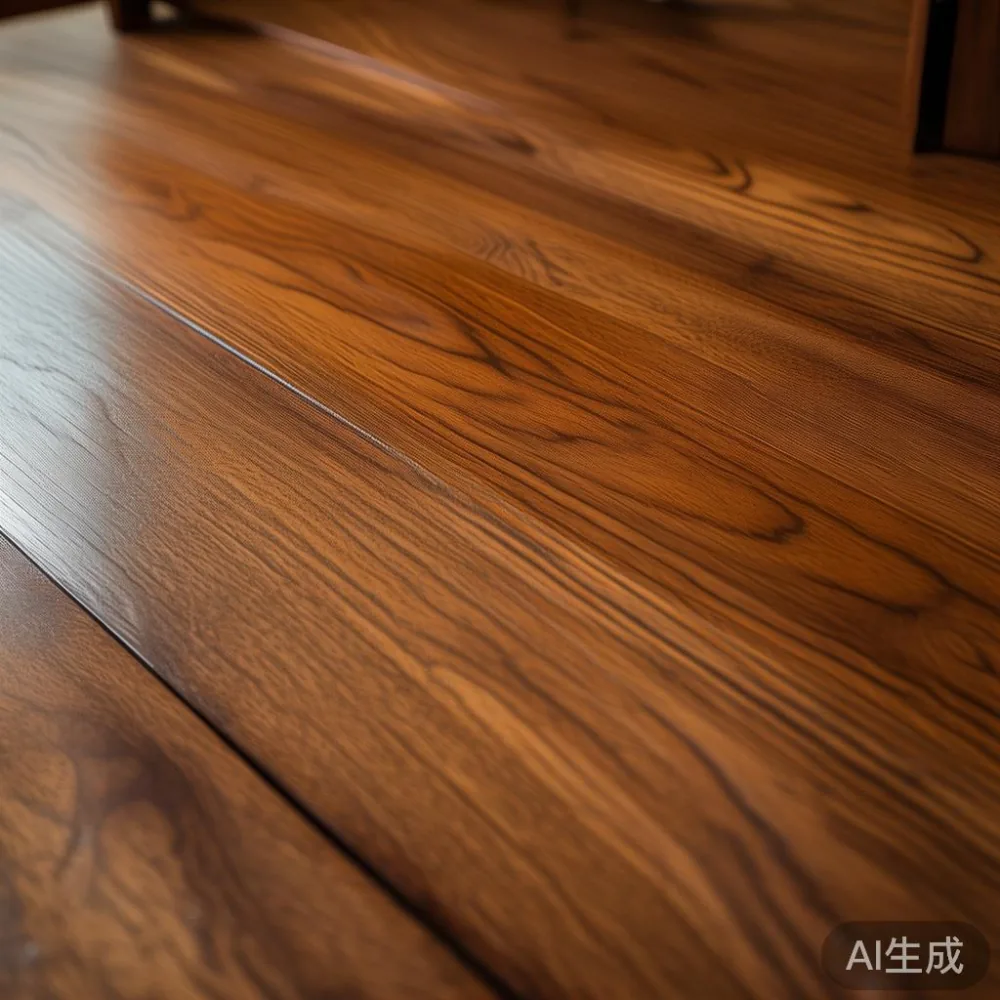
Good care is measured in simple habits rather than aggressive treatment. Wipe surfaces when they are dry, control moisture around the wardrobe, keep direct sunlight off lacquer, and use only mild, non-abrasive products. The same wardrobe can remain attractive for many years when its finish is treated as a living surface rather than ignored.
MIDHILL designs lacquered storage wardrobes as part of a broader solid wood collection that includes solid wood sofas, bed frames, dining tables, wardrobes, nightstands and marble tables. The wardrobe remains the focus here: its doors, drawers, edges and internal storage zones each respond differently to tropical conditions.
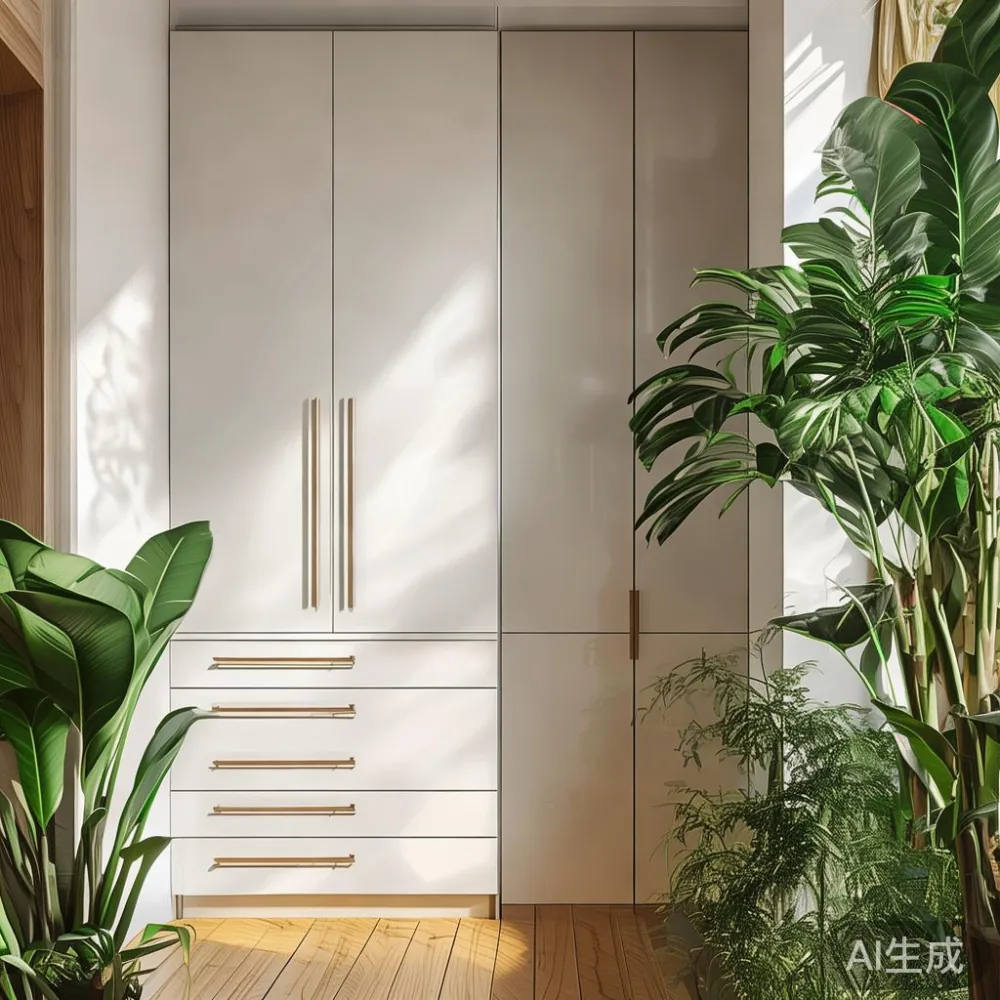
What makes lacquered storage wardrobe finishes vulnerable in Singapore?
Lacquer is applied in thin layers over prepared wood or a stable engineered base. The resulting film may look glassy and continuous, yet microscopic movement can cause fine surface marks if humidity and temperature change quickly. A cabinet in Tampines may be exposed to a western-facing afternoon sun, then benefit from air-conditioning after sunset. A unit in Bedok may sit near a washing machine or balcony door, where dampness lingers after rain. A Punggol flat may experience narrow corridor air movement that carries fine dust against a smooth finish.
Three factors deserve regular attention: moisture, heat and mechanical contact. Relative humidity inside a well-ventilated home commonly ranges from about 55% to 75%, although a room next to a wet utility area can exceed that briefly. Aim to keep the storage wardrobe environment nearer 45% to 65% when practical. Sustained readings above 70% encourage mould in concealed corners and may affect wood movement, hinges and drawer runners.
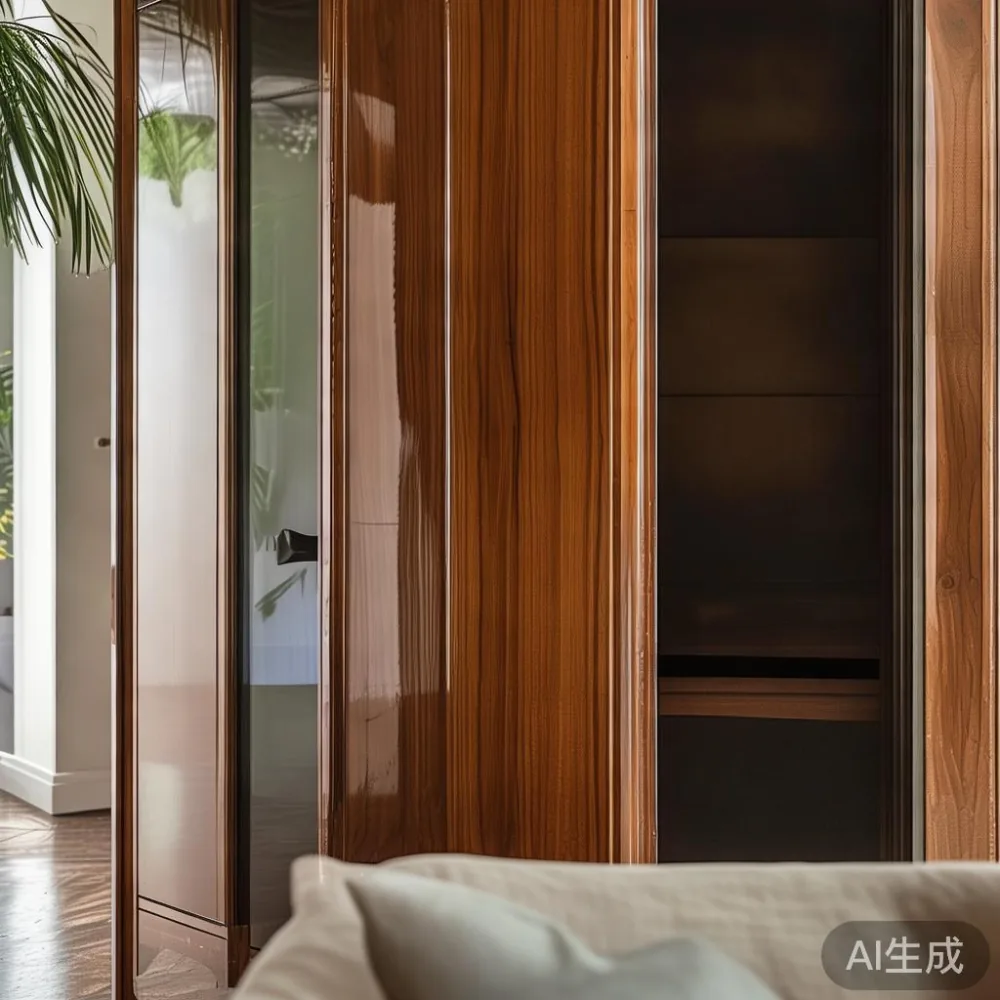
Heat also matters. A surface that becomes warm to the touch may be several degrees above the room’s measured temperature. Avoid placing a wardrobe against a wall receiving strong afternoon sun, and keep at least 8 cm behind the cabinet for ventilation where the installation allows. Do not aim a hair dryer, steam cleaner or aircon vent directly at lacquer. The finish may soften, dull or develop a cloudy bloom under concentrated heat.
Mechanical contact produces marks that cleaning cannot remove. Door stops, drawer bumpers and cabinet feet should not scrape against a lacquered edge. Use felt pads beneath movable stools and keep trolley wheels clear of the toe-kick. Children’s toy cars and wardrobe-opening games can leave scratches that trap moisture in the lacquer film.
How should I clean a lacquered storage wardrobe?
Begin with a dry, clean microfibre cloth. Many dusty marks disappear with gentle wiping alone. For a more thorough clean, dampen a second cloth with plain water, wring it until no droplets fall, and wipe the surface in sections. Follow with a dry cloth. The cloth should be barely damp, never dripping.
For marks that do not lift with water, dilute a small amount of mild dish soap in a bowl containing roughly 500 ml of water. Use about 1/4 teaspoon, mix thoroughly and test the solution on a concealed 5 cm area near the back. Wait 10 minutes, then wipe with a clean damp cloth and dry immediately. Abrasive pads, scouring powder, bleach, ammonia, alcohol, acetone and concentrated degreasers can haze or strip lacquer.
Clean the top edge, sides, door faces and recessed handles separately. Moisture can collect where the main door meets the frame. Wipe along the joint with a barely damp cloth, but do not flood the gap. For interior shelves, remove items first and check for insects, dampness or food residue. A storage wardrobe used for folded clothing should be aired for 30 to 60 minutes after its doors are opened.
Never pour cleaning liquid directly onto the furniture. Some household sprays create a large wet patch that travels beneath edge banding and into drawer housings. Keep liquids in a separate bowl, use a soft cloth rather than a spray bottle, and dry any missed area within 5 minutes.
Can humidity cause lacquer to peel, swell or develop mould?
Peeling is less likely when a lacquered wardrobe was correctly manufactured, installed and maintained. It becomes more likely when moisture repeatedly enters an exposed edge, a damaged joint or an unsealed cut. Swelling and mould are also warnings of prolonged dampness, not normal reasons to scrub a surface harder.
Inspect the toe-kick, back panel and base every 3 months. Look for brown spotting, a musty smell, swollen veneer, loose end grain or bubbling lacquer. Keep laundry steam, humidifiers and dehumidifiers at least 60 cm from the cabinet. A dehumidifier set to 50% to 60% relative humidity can be useful in a persistently damp bedroom, provided the wardrobe is not directly exposed to its outlet air.
During heavy rain, close windows and doors that admit wet wind. After the room returns to its normal temperature, leave the wardrobe doors open for 15 to 30 minutes so trapped humidity can escape. Run a fan across the room rather than directly into the cabinet. Air movement helps drying, but prolonged airflow combined with wet dust can still dull the finish.
Inspect silicone seals around a wet area, not just the wardrobe itself. A leaking pipe or roof stain needs repair before furniture treatment. If lacquer has already lifted, collect several photographs in neutral daylight and contact the supplier. Do not apply household glue, tape or paint over the damaged section; an irregular patch can conceal the cause and reduce the chance of a neat repair.
How can I stop sunlight from fading or discolouring the finish?
Ultraviolet exposure can pale light-coloured lacquer and warm darker tones. The damage is gradual, but a wardrobe beside a window with approximately 4 hours of direct afternoon light can show a noticeable difference within 2 to 3 years. Curtains, blinds or a UV-filter film provide practical protection without blocking ventilation.
In a typical HDB room with a 90 cm window, a sheer curtain can diffuse light while a blackout curtain supplies stronger protection when the room is unoccupied. Avoid attaching adhesive film to lacquer itself. Apply it to the glass, where replacement and removal are easier. Check blinds for a 5 cm clearance from the wardrobe front so the slats do not rub the doors.
Do not place a hot lamp, halogen bulb or halogen-style wardrobe light within 20 cm of the finish. LED strips and low-temperature cabinet lights are preferable. Switch them off when leaving the room, and keep the wardrobe’s internal temperature below about 30°C where feasible.
If a door has faded, first compare it with the adjacent return under the same lighting. Cleaning often restores dust-yellowed lacquer but not lost pigment. Professional assessment is more reliable than applying a coloured wax or marker. Colour-matching compounds can settle into pores and make future refinishing harder.
What should I do about scratches, stains and dull patches?
Fine scratches should be addressed before moisture and dirt lodge inside them. Use a clean, soft cloth and a furniture-safe cleaner recommended for lacquer. Avoid products described as “restoring” unless the manufacturer confirms they will not leave wax, pigment or an oily film. A wax layer may look attractive temporarily but can make the surface slippery and complicate later maintenance.
For sticky residue, test a tiny area with a barely damp cloth and a drop of mild dish soap. Allow 5 minutes for the residue to soften, then wipe in the direction of the grain and dry. Plastic bags, rubber grips and adhesive labels can leave a oily transfer that needs several gentle passes. Pressed-paper transfers should not be rubbed hard because fragments may scratch the lacquer.
Use an untextured white cloth for pale finishes. Coloured microfibre can leave lint, particularly on cream and warm-grey wardrobes. Replace a dirty cloth rather than increasing pressure. Dull patches often come from residue; clean the whole panel and allow 60 minutes for it to dry under normal room conditions.
Deep gouges, chips near joints and cracks that expose wood call for professional repair. A 2 mm chip at a visible door edge may be cosmetic, while a split along a drawer side can indicate movement or moisture stress. Photograph the issue at 10 cm and 50 cm distances, include a ruler, and record the room’s humidity reading. That record helps a repairer judge the cause.
How can I style American bed in bedroom around a lacquered storage wardrobe?
A lacquered storage wardrobe can anchor a bedroom with a solid wood sofa, bed frame, dining table, nightstand or marble table nearby. For a broader comparison, a search for how to style American bed in bedroom may provide room-layout ideas, but the finishes should be coordinated rather than crowded together.
For a 150 cm bed in an HDB bedroom measuring roughly 3.2 m by 3.6 m, leave 60 cm of clear circulation on one side if possible. Place a 45 cm-wide nightstand within 20 cm of the headboard, but keep it 10 cm away from the wardrobe doors. A slim upholstered bench can sit at the foot if the corridor remains at least 70 cm wide. Avoid floor lights that touch the cabinet when moved.
Contemporary designs often pair warm timber with cool metal, whereas French light luxury uses restrained cream, stone and delicate profiles. Post-modern light luxury can combine a solid wood bed frame with sculptural lighting and lacquered cabinetry. The point is balance: one matte textile, one reflective finish and one substantial timber element are enough for most compact rooms.
When browsing for top 10 Nordic furniture ideas, focus on storage and bedside pieces rather than copying an entire catalogue. Pale woods, simple handles and hidden drawer pulls suit lacquer without competing with it. A marble table might work in an open living area, but in a humid room keep its stone surface clear of damp cloths and use a stable wooden side table instead.
To learn how to style Japanese sofa in apartment layouts, look for low-profile pieces that preserve a clear path between the entrance and wardrobe. A European light luxury sofa can provide elegant comfort, but its large footprint should be checked against the wardrobe-opening clearance. These furnishing choices can frame a Singapore bedroom without pushing moisture traps or cleaning access against the lacquer.
How do I choose furniture and finishes that work together?
Coordinated furniture should share proportion, undertone and maintenance expectations. A storage wardrobe with a light-luxury appearance can sit beside a solid wood sofa or dining table, yet vulnerable fabrics should not be positioned where the wardrobe doors will brush them. Maintain a 5 cm gap between lacquered panels and upholstered furniture.
When comparing European light luxury sofa vs Modern sofa options, consider both footprint and care. A European light luxury nightstand with a wood body and stone or lacquer top may need the same moisture discipline as the cabinet. A compact 40 cm nightstand can keep a 60 cm bedside passage open, while a 50 cm unit may work in a larger condo bedroom.
The phrase modern Modern light luxury furniture can look repetitive, but it is useful as a search concept for clean profiles and mixed materials. For a practical wardrobe, choose quiet hardware in brushed nickel, champagne or matte black rather than highly polished metal that shows fingerprints. Paired pulls should be checked for alignment; a handle standing 2 mm proud can mark the door edge during use.
Singapore shoppers should compare dimensions in centimetres, not only photographs. A nominal 180 cm wardrobe may have a 176 cm cabinet body, 4 cm of projection from doors and 2 cm of ventilation allowance. Ask for the delivered footprint and the space needed to open drawers fully. Confirm lift access, doorway width and the route from the service lobby.
Delivery is just as important as finish care. For an HDB tower, a common lift door may measure 90 cm by 210 cm, while a wider service lift can measure 110 cm by 220 cm. A 120 cm wardrobe can be turned vertically, but the stair corners and corridor turns may be tighter. The supplier should check the access route rather than assume that a lift can accept the carton.
Budget in Singapore dollars for both furniture and protection. A lacquered storage wardrobe may cost from SGD 1,800 to SGD 5,500 depending on width, internal fittings and finish. Allow about SGD 80 to SGD 180 for a professional assessment or small repair after delivery. Replacement felt pads and a room hygrometer can remain under SGD 40.
What should a Singapore buyer confirm before delivery?
Ask for care instructions that match the exact finish and coating system. Lacquer behaves differently from laminate, melamine, oiled wood and painted MDF. Confirm whether the surface can be cleaned with mild soap, how long after delivery the protective film should remain, and whether the finish has already been factory-cured. A supplier should also explain how edge wear and moisture-related defects are handled under the warranty.
MIDHILL provides a 10-year structural warranty and lifetime refinishing, which makes an in-person finish discussion worthwhile. Confirm what “lifetime refinishing” covers, which collection details are included, and whether transport, site access or accidental damage are excluded. Keep the order documents, finish sample and delivery record together for at least 10 years.
At delivery, inspect the storage wardrobe in neutral daylight. Open every door and drawer, then close them slowly. Check that panels align within roughly 2 mm, hardware runs smoothly and no corner has been dented. Look for trapped moisture, protective-film residue, scratches and chips beneath the edges. Record any issue before the courier leaves.
Delivery timing matters during renovation. Allow 7 to 14 working days for standard Singapore orders, but avoid installing a wardrobe 2 days before heavy monsoon rain or a late utility connection. After delivery, let the cabinet acclimatise in the room for 24 to 48 hours before loading it. Keep new panels accessible to airflow and remove packaging rather than pressing cardboard against the finish.
MIDHILL offers free shipping over US$350, although Singapore delivery terms and GST should be confirmed on the quotation. Ask whether the displayed price includes GST and whether lift or corridor charges are separate. For a purchase above SGD 1,000, compare the total—not only the cabinet price—with another solid wood wardrobe that may include adjustable shelves, hanging rails and drawers.
Also confirm the 14-day returns policy, especially for made-to-order dimensions and finish selections. Photograph the packed carton, dimensions and access route. A return is simpler when the original protective panels, foam and hardware remain labelled and intact.
What is the simple care routine for a tropical climate?
A reliable routine takes less than 15 minutes each week. Dust the high surfaces and door fronts with a dry microfibre cloth every 7 days. Inspect handles and floor contact points every month. Every 3 months, check humidity, the back of the cabinet and the toe-kick for dampness. Twice a year, clean the interior and the door edges with a barely damp cloth, then dry them completely.
Keep a small care kit beside the wardrobe: 2 clean microfibre cloths, a soft brush for vents, a hygrometer and a bowl for diluted mild soap. Avoid storing damp clothes, wet umbrellas or cleaning products inside the cabinet. Shoes should be dry, and any laundry basket should remain 20 cm away from the side panel.
Singapore’s climate rewards consistency. Dry the wardrobe after splashback, leave space behind it, diffuse harsh sun and correct small marks gently. With those habits, lacquered storage wardrobe doors can retain their smooth depth while the surrounding solid wood sofa, bed frame, dining table, nightstand and marble table continue to feel coordinated.
For a direct finish check, ask MIDHILL for a care sample, review it under daylight and test it on a hidden panel. That small 10-minute trial can prevent a costly cleaning mistake and help a storage wardrobe remain well suited to homes in Tampines, Bedok, Punggol and other Singapore districts.