Caring for a Lacquered Surface in a Tropical Climate
The Singaporean home is a sanctuary, a personal space designed for comfort and style. For many, this includes the investment in fine furniture, from a solid wood sofa to a statement-making dining table. Among these pieces, a storage wardrobe is often the largest and most visible, a functional centrepiece that must also endure the unique environmental challenges of our island. When you choose a wardrobe with a beautiful, high-gloss lacquered finish, you are choosing a piece of furniture that demands specific care to maintain its pristine appearance.

Last month, I visited a client in a new condo in Punggol. She had recently purchased a stunning, French-inspired light luxury wardrobe with a deep, glossy black lacquer. She was proud of it but also worried. 'How do I keep it looking like this?' she asked, gesturing towards the wardrobe. 'I see the condensation on my windows every morning, and I worry about the humidity affecting the wood.' Her concern is a common one. The combination of high humidity, strong sunlight, and urban living in places like Tampines or Bedok can put a strain on even the most well-crafted furniture. This guide will walk you through the practical steps to care for your lacquered wardrobe, ensuring it remains a beautiful part of your home for years to come.
Why Does the Tropical Climate Pose a Challenge to Lacquer?
Before we discuss solutions, it's helpful to understand the enemy. A lacquered finish is a hard, durable coating applied over the wood. It creates a beautiful, smooth, and often reflective surface. However, this finish is not impervious to the elements. Singapore's climate presents two primary threats: moisture and heat.
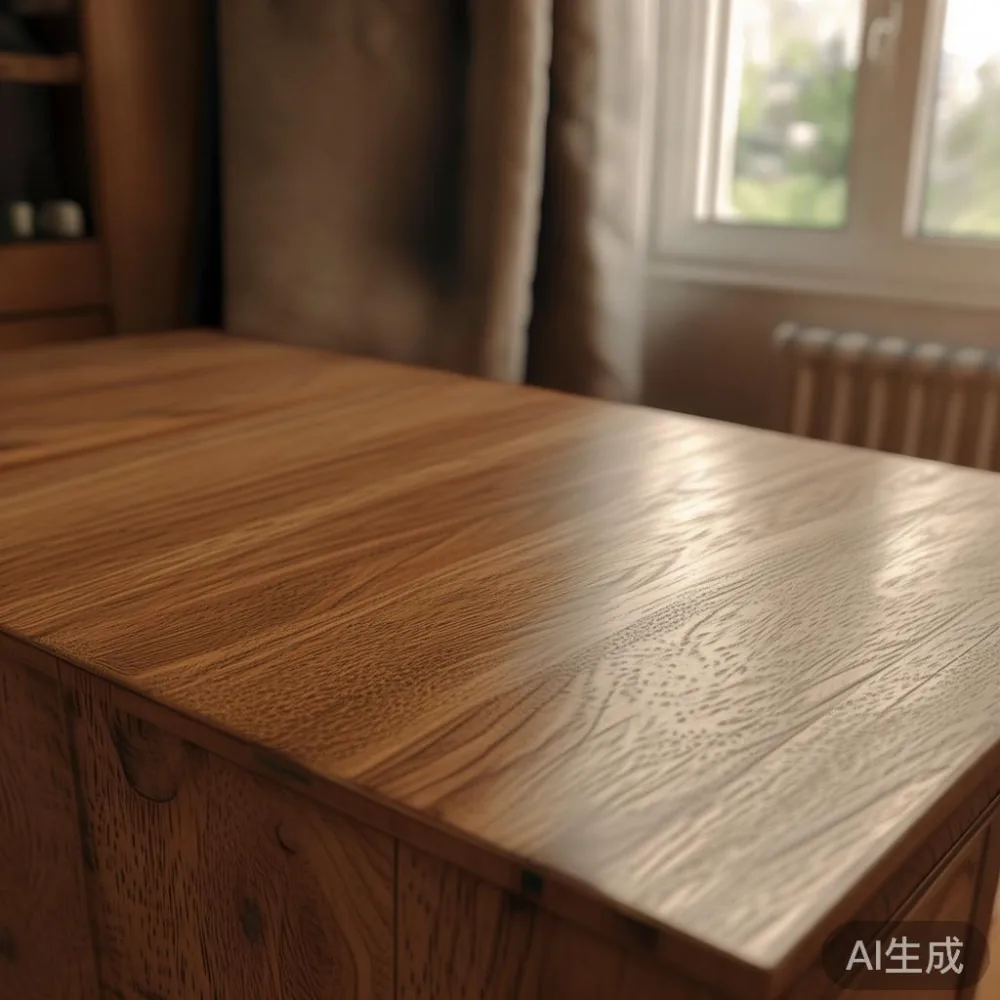
First, there's the humidity. The air in Singapore is consistently damp, with an average relative humidity of 84%. This constant moisture in the air can be absorbed by the wood over time, even through the lacquer. This can lead to swelling, warping, or a cloudy, hazy appearance on the surface. This is particularly relevant for a storage wardrobe, which is often a solid, enclosed piece where air circulation can be limited. Second, we have the sun. The intense UV rays in Singapore can be brutal. They can cause the lacquer to fade, turning a vibrant black or deep red into a dull, chalky grey. They can also heat the surface of the furniture, which can cause the lacquer to expand and contract, potentially leading to micro-cracks over the years. A wardrobe placed near a window that gets direct afternoon sun is at a higher risk of this type of damage.
How Often Should You Clean Your Lacquered Wardrobe?
Regular cleaning is the cornerstone of preventative care. The frequency depends on your home's environment, but a good rule of thumb is to dust your lacquered wardrobe once a week and perform a more thorough cleaning once a month. This routine removes the everyday dust and grime that can settle on the surface and, if left unchecked, potentially scratch the finish when wiped away.
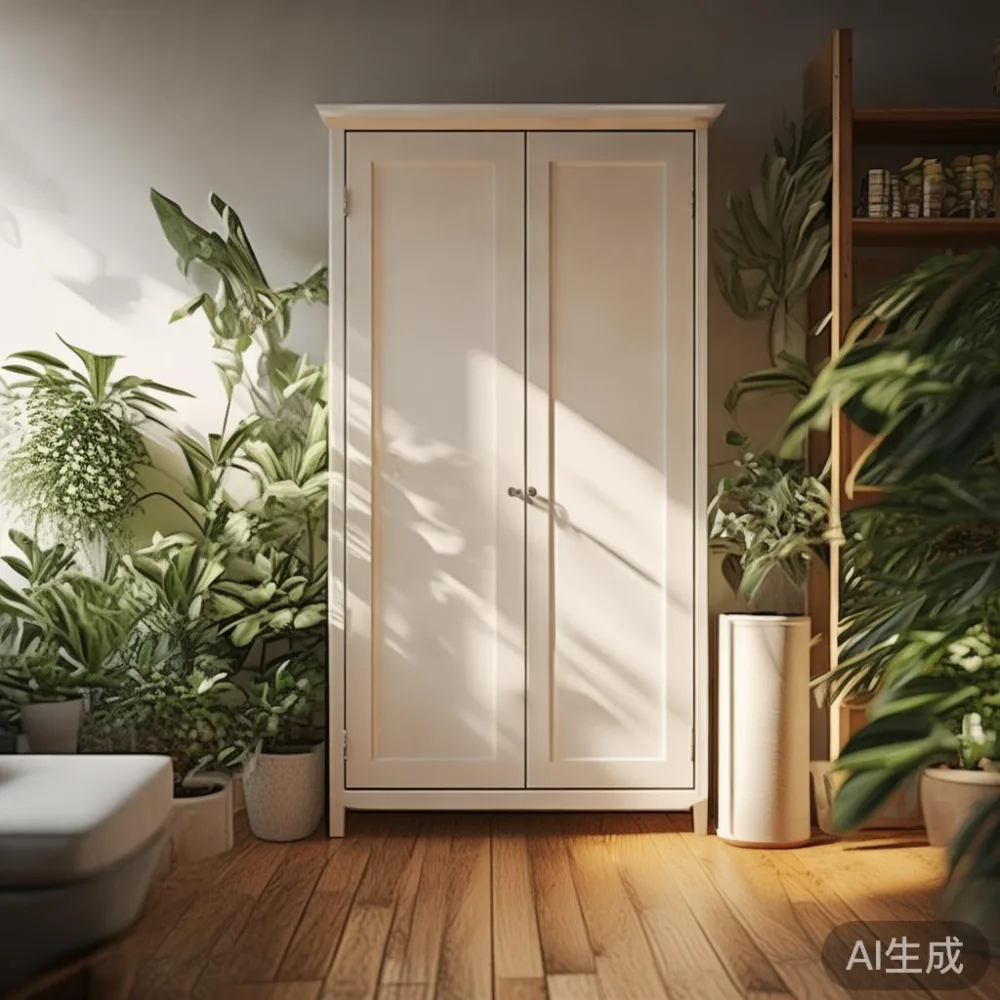
For weekly dusting, use a soft, lint-free microfiber cloth. A feather duster is not recommended, as its quills can sometimes be sharp enough to scratch the delicate surface. Gently wipe the surface of the wardrobe, following the grain of the wood if it's visible through the lacquer. For the monthly clean, you will need a slightly damp cloth. It is critical that the cloth is only slightly damp, not wet. Excess water can seep into the seams and damage the wood or the lacquer. Always wring out the cloth thoroughly before use.
Never use harsh chemicals, ammonia-based cleaners, or abrasive scrubbing pads on a lacquered surface. These can strip away the protective finish, leaving the wood underneath vulnerable. A simple solution of water with a few drops of a mild, pH-neutral dish soap is all you need. Apply the solution to the cloth, not directly onto the wardrobe, and wipe gently. After cleaning, immediately buff the surface with a dry, soft cloth to prevent any water spots from forming. This simple routine will keep your storage wardrobe looking its best.
What is the Best Way to Protect Your Wardrobe from Humidity?
Managing humidity is perhaps the most critical aspect of caring for a solid wood wardrobe in Singapore. The 84% average humidity is a constant presence, and while a well-made piece of furniture can handle it for a while, long-term exposure without protection can lead to problems. The first line of defence is strategic placement.
Avoid placing your wardrobe directly against an external wall, especially in older HDB flats where walls may be less insulated. The temperature difference between the cool, air-conditioned room and the potentially damp wall can cause condensation to form on the back of the wardrobe. It's also wise to keep your wardrobe at least 10 cm away from any wall to allow for air circulation. This small gap makes a significant difference. If you live in a ground-floor unit or a condo with high humidity, consider using a dehumidifier in the room, especially during the rainy season from November to January. A dehumidifier can reduce the humidity level to a more comfortable 50-60%, which is much healthier for your furniture.
Inside the wardrobe, the environment is just as important. Avoid storing damp items, like clothes fresh from the laundry or wet umbrellas, inside. The trapped moisture will have nowhere to go and will be absorbed by the wood and interior panels. Ensure your clothes are completely dry before putting them away. For added protection, you can place silica gel desiccant packs inside the wardrobe. These small, moisture-absorbing packets are inexpensive and can be found at most supermarkets or hardware stores for around SGD 5 for a pack of 10. Replace them every 2 to 3 months or when they become saturated and hard. This simple step creates a micro-climate inside your wardrobe that is much safer for the lacquered finish.
Is American Sofa Worth It When You Have a High-Maintenance Lacquered Wardrobe?
This is a question many homeowners grapple with when furnishing their space. The answer lies in understanding your lifestyle and aesthetic priorities. When considering a major furniture purchase, the question of durability and maintenance becomes central. For example, the debate over is American sofa worth it often centres on its construction and materials, which are typically designed for longevity and heavy use. An American sofa might be built with solid hardwood frames and premium leather or durable fabrics, offering a different kind of resilience compared to a delicate lacquered surface.
The key is to place your high-maintenance pieces, like a lacquered storage wardrobe, in areas of your home that are less exposed to direct sunlight and daily wear and tear. A bedroom, for instance, is an ideal location. It's a private space with less foot traffic and less direct sun exposure than a living room. In contrast, a living room might be better suited for an American sofa, which is designed to be a more durable, everyday piece. This approach allows you to enjoy the beauty of your delicate lacquered furniture without subjecting it to the harshest conditions. It's about creating a balanced interior where each piece can thrive in its designated environment.
How to Style a French Wardrobe in Your Singaporean Home?
Owning a wardrobe with a French light luxury aesthetic is a wonderful opportunity to create a chic and sophisticated bedroom. The key to styling such a piece is to embrace its elegance while ensuring the look feels appropriate for a modern Singaporean home. A French wardrobe often features ornate details, curved lines, and a high-gloss finish. To complement this, you can create a balanced and harmonious room design.
Start with the walls. A soft, neutral colour like a light grey, beige, or even a pale blush pink works beautifully. This creates a calm backdrop that allows the wardrobe to be the star of the show. For the flooring, light-coloured wood or a cool-toned laminate will keep the space feeling airy and bright. The bedding is another important element. Choose high-quality linens in solid colours like white, cream, or taupe. A simple, tailored duvet set will maintain the sophisticated tone without competing with the wardrobe's ornate details.
For other furniture, less is more. A streamlined nightstand in a matte finish, perhaps with a marble table top for a touch of luxury, provides a functional surface without cluttering the space. Avoid bulky or overly ornate pieces that could overwhelm the room. Lighting is also important. Install a statement chandelier or a series of elegant wall sconces to cast a warm, flattering glow on the wardrobe. This kind of thoughtful styling enhances the beauty of your furniture and creates a cohesive, tranquil bedroom retreat.
What Should You Do If Your Lacquered Surface Gets Damaged?
Accidents happen. A minor scratch, a small water ring, or a chip in the lacquer can be disheartening, but it doesn't mean the end for your wardrobe. The first rule is to never attempt a DIY repair with store-bought furniture polish or scratch remover. These products often contain chemicals that can further damage the finish or create a cloudy, uneven patch.
For minor scratches, sometimes a simple buffing with a soft, dry cloth can lessen their appearance. Deeper scratches or chips require a more professional approach. This is where the quality of your furniture maker becomes evident. A reputable company like MIDHILL, which has been crafting solid wood furniture since 2008, often provides a lifetime refinishing service. This means that if the lacquer is damaged, a professional can sand down the affected area and reapply the lacquer, restoring it to its original condition. This kind of long-term support is a hallmark of quality furniture, giving you peace of mind.
If you notice a small water ring or white spot from condensation, you can try a gentle remedy. Apply a small amount of non-gel toothpaste to a soft cloth and rub it very gently in a circular motion over the spot. Then, wipe it clean with a slightly damp cloth and buff dry. This sometimes works for very minor, surface-level marks. For anything more significant, or if you are unsure, it is always best to contact the retailer or manufacturer. They can assess the damage and advise on the best course of action, which may involve a professional touch-up or refinishing service. With proper care and professional support when needed, your lacquered wardrobe can remain a stunning feature of your home for a lifetime.
Final Thoughts on Long-Term Care
Caring for a lacquered wardrobe in a tropical climate is about consistent, gentle habits. It's not about complicated routines or expensive products. It's about being mindful of your environment, placing your furniture wisely, and cleaning it regularly with the right materials. A storage wardrobe is more than just a place to hang clothes; it's a significant investment in the style and comfort of your home. By following these guidelines, you are protecting that investment.
Remember that fine furniture, like a solid wood dining table or a light luxury sofa, is designed to be enjoyed. The goal is to create a living space that reflects your taste while respecting the needs of the objects within it. A well-maintained lacquered wardrobe can become a family heirloom, a piece that tells a story of care and style. In the context of Singaporean living, where our homes are our sanctuaries, this kind of mindful care transforms a simple piece of furniture into a lasting part of our personal history.